Key Takeaways
If you carry a gun in South Florida and think your firearm alone makes you “prepared,” you’re already behind.
Miami-Dade, Broward, and Palm Beach are dense, crowded, unpredictable environments where violence unfolds at conversational distance, under chaotic lighting, with zero warning.
Most people are not running a defensive system.
They are wearing random gear.
They are training in unrealistic conditions.
They are reacting to problems instead of controlling them.
At Tactical U, we see the same failures repeatedly - not because people don’t care, but because no one has ever told them the truth:
Your EDC (Everyday Carry) setup is only as strong as its weakest component.
And for most people, that weakest component is not gear - it’s mindset and training.
THE FIRST FAILURE: Training for a Lane, Not a Fight
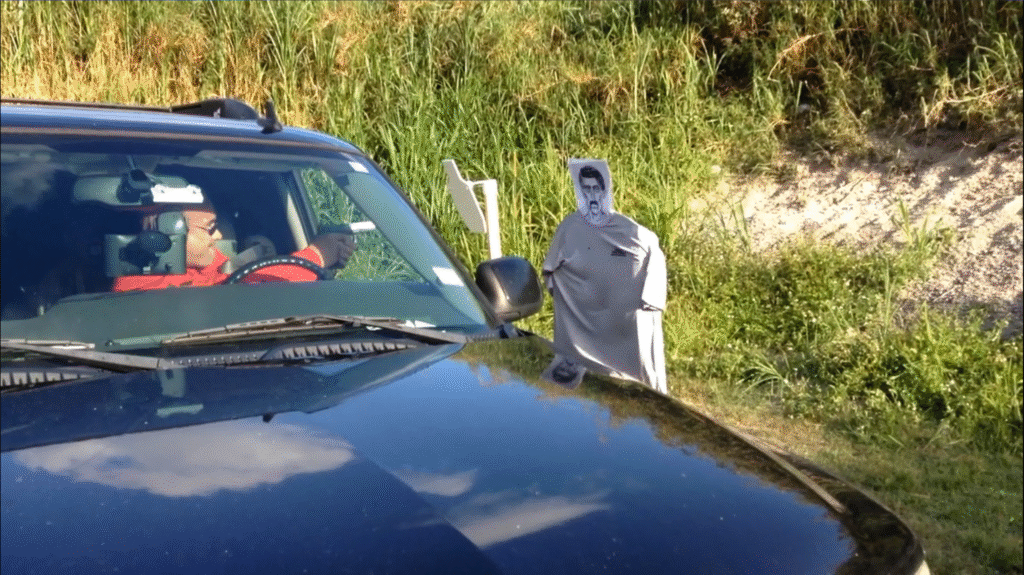
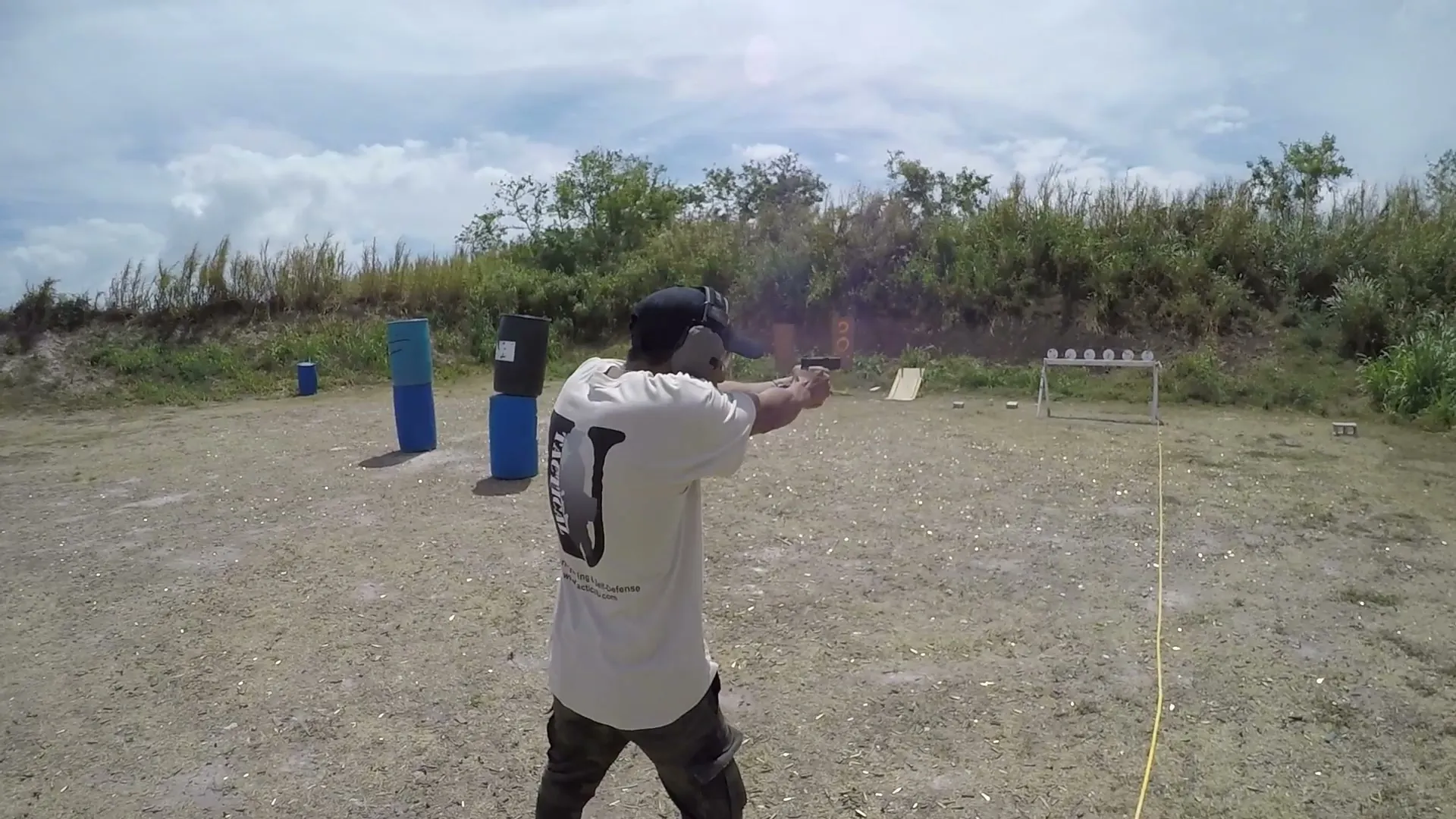
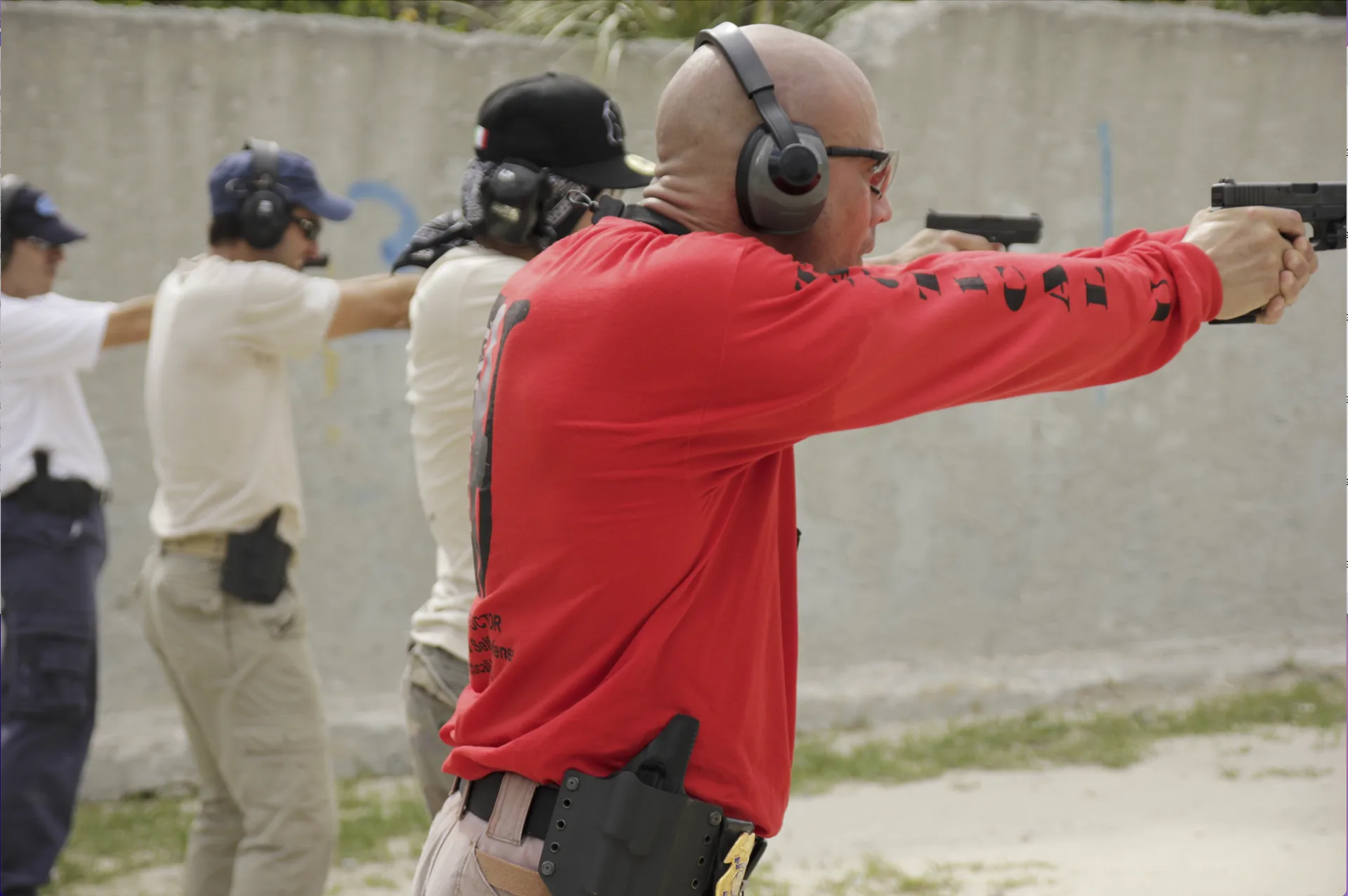
Most people train to shoot.
Very few train to fight.
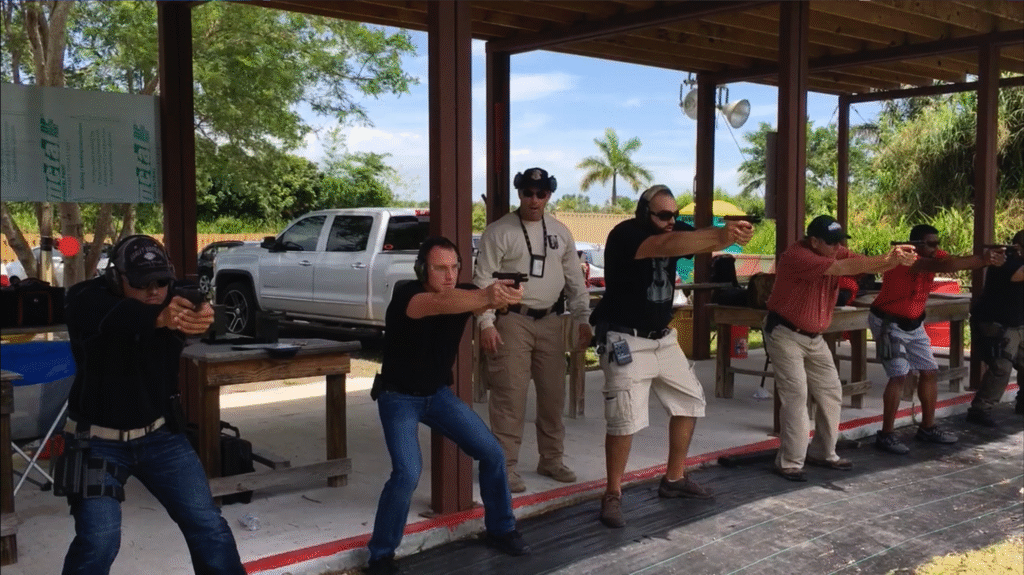
Flat-range training creates false confidence because the environment is sterile:
- predictable light
- predictable distance
- predictable target
- predictable timing
- no concealment garment
- no movement
- no verbal commands
- no environmental chaos
- no civilians
- no threat psychology
The average street gunfight is decided in under three seconds.
If you haven’t moved off the X, cleared your cover garment, and established a threat picture in that time, your gear is irrelevant - and you have failed.
Real violence in South Florida happens:
- next to vehicles
- between aisles
- near glass
- in transitional spaces
- in low or shifting light
- in crowds
- in confined areas
- under stress you have never experienced on a range
The average carrier has never:
- cleared their actual clothing under movement
- drawn from their real holster while stepping offline
- identified exits on entry
- scanned for secondary threats under adrenaline
- managed distance with family behind them
- rehearsed escape before engagement
Fights are won by controlling time, distance, and position.
If you don’t train those, you’re carrying a gun without the operational framework to survive.
FATAL FLAW #1: Structural Gear Failures
Weak Belt
If your belt flexes, your holster moves.
If your holster moves, your draw changes.
In a gunfight, “almost the same” is failure.
Holster Collapse & Grip Angle Failure
Soft or hybrid holsters collapse inward, forcing visual confirmation, wasting time, and destroying awareness.
A proper holster must:
- retain shape
- fully cover the trigger guard
- allow one-handed reholstering
- provide a full master grip before movement
Extra Magazines
Magazines fail more than guns.
Redundancy and duration matter.
THE TRUTH (Flaw #1):
Your entire defensive system is built on your belt and holster. If they are weak, your foundation is compromised.
FATAL FLAW #2: Clothing, Body, and Real-World Interference

Range clothes are not street clothes.
People train in T-shirts but carry in:
- button-downs
- hoodies
- jackets
- athletic wear
- business attire
Clothing causes:
- snagged holsters
- blocked optics
- collapsed draw angles
- shifted belts
Your gun-side pocket must be empty.
Keys, phones, wallets trap garments and kill access time.
Women face additional challenges:
- nails affecting grip
- jewelry interference
- inconsistent carry orientation
THE TRUTH (Flaw #2):
If you haven’t drawn successfully ten times in the clothes you’re wearing right now, you’re not carrying a system - you’re carrying a liability.
FATAL FLAW #3: Visibility, Light Discipline, Red Dots, and Environmental Reality
Weapon-Mounted Lights (WML)
You cannot shoot what you cannot positively identify.
Common failures:
- blinding splash-back indoors
- backlighting yourself
- constant-on misuse
Light must be:
- momentary
- controlled
- adequate - not excessive
Red Dot Optics
When trained: force multiplier.
When untrained: catastrophic liability.
Failures include:
- inconsistent presentation
- improper brightness
- dead batteries
- no backup irons
- no zero confirmation
South Florida amplifies failure: heat, sweat, humidity, glare.
THE TRUTH (Flaw #3):
The fight happens where the light is worst. If you haven’t mastered light and shadow, your vision advantage belongs to the attacker.
FATAL FLAW #4: Feeding the Gun - Ammo, Magazines, Maintenance
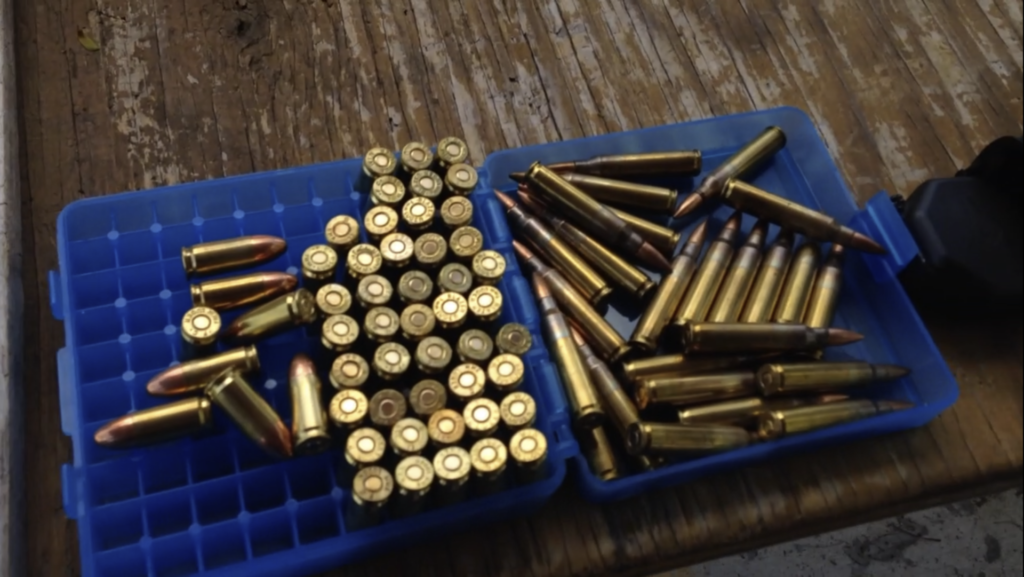
FMJ in a carry gun is reckless.
Over-penetration in condos and parking structures is a legal nightmare.
Carry bonded defensive JHP.
Magazines are consumables:
- springs wear
- feed lips deform
- bodies crack
Maintenance is not optional:
- clean and lubricate
- battery checks
- optic checks
- re-zero after impacts
- monthly inspection
THE TRUTH (Flaw #4):
A carry gun is not a hobby piece - it is mission-critical life support. Baseline maintenance is professional discipline.
FATAL FLAW #5: The Firearm Itself - Fit, Function, Shootability
People choose guns for comfort, not control.
A defensive firearm must:
- fit the hand
- allow full grip
- manage recoil
- index consistently
- integrate with belt, holster, light
THE TRUTH (Flaw #5):
Comfort is for the couch. Shootability is for the fight. Never trade control under stress for easier concealment.
THE TACTICAL U STANDARD
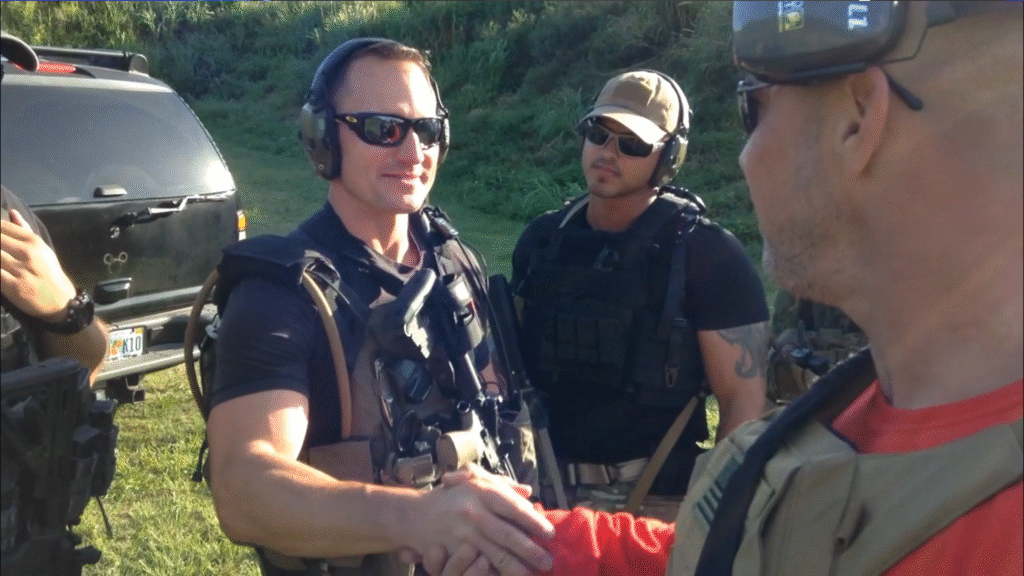
A real EDC system includes:
A rehearsed plan
Rigid belt and holster
Garment clearing
Functional WML
Tested magazines
Ongoing maintenance
An escape plan everywhere you go
You don’t rise to the level of your gear.
You fall to the level of your preparation.
If you carry a gun in Miami-Dade, Broward, or Palm Beach, you owe it to yourself - and the people you protect - to run a system that holds up under violence, not just under fluorescent lights.
Stop Relying on Luck. Start Training for the Fight.
Highest-Value Training (Recommended Next Step)
Advanced Handgun / Gunfighting Training
Equally Critical Training
Low-Light Handgun Training
Force-on-Force / Interactive Gunfighting
Frequently Asked Questions (FAQ)
Is EDC really dangerous if I train at a range?
Yes. Flat-range training prepares shooting - not survival.
What is the most common EDC mistake in South Florida?
Poor integration. Gear is never tested together under stress.
Do I need a WML?
Yes, if you carry in transitional lighting environments.
Are red dots worth it?
Only with disciplined training and maintenance.
Does permitless carry change any of this?
No. Paperwork does not change physics or stress.
Can training really make that much difference?
Yes. Most failures happen before the gun is drawn.
About The Author
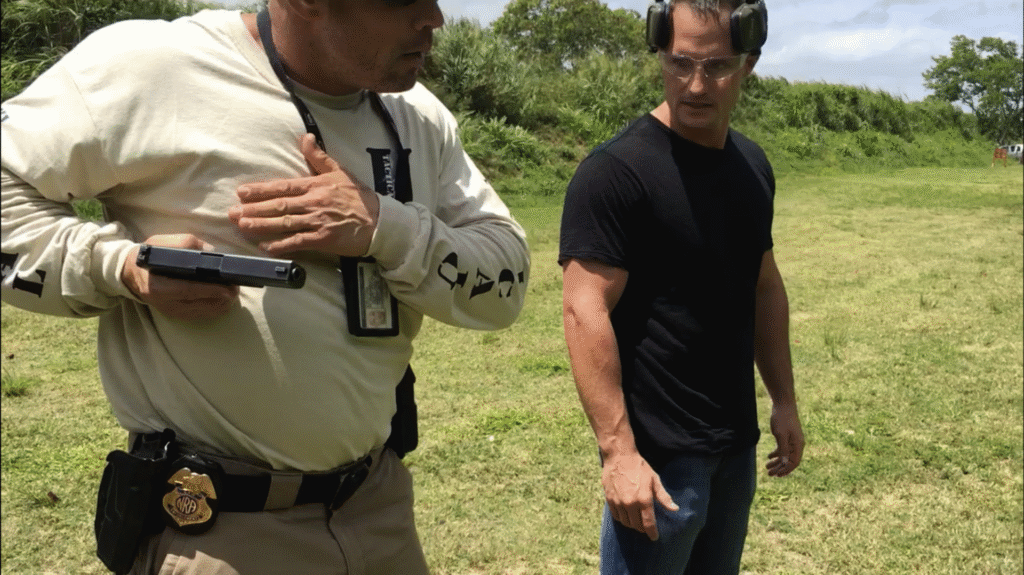
Stephen L. Cohen is the founder and lead instructor of Tactical U Firearms Training in South Florida.
He is a law-enforcement-certified firearms instructor with over 32 years of experience training law enforcement, military, security professionals, and responsible armed civilians in defensive firearms use, decision-making under stress, and real-world survivability.