
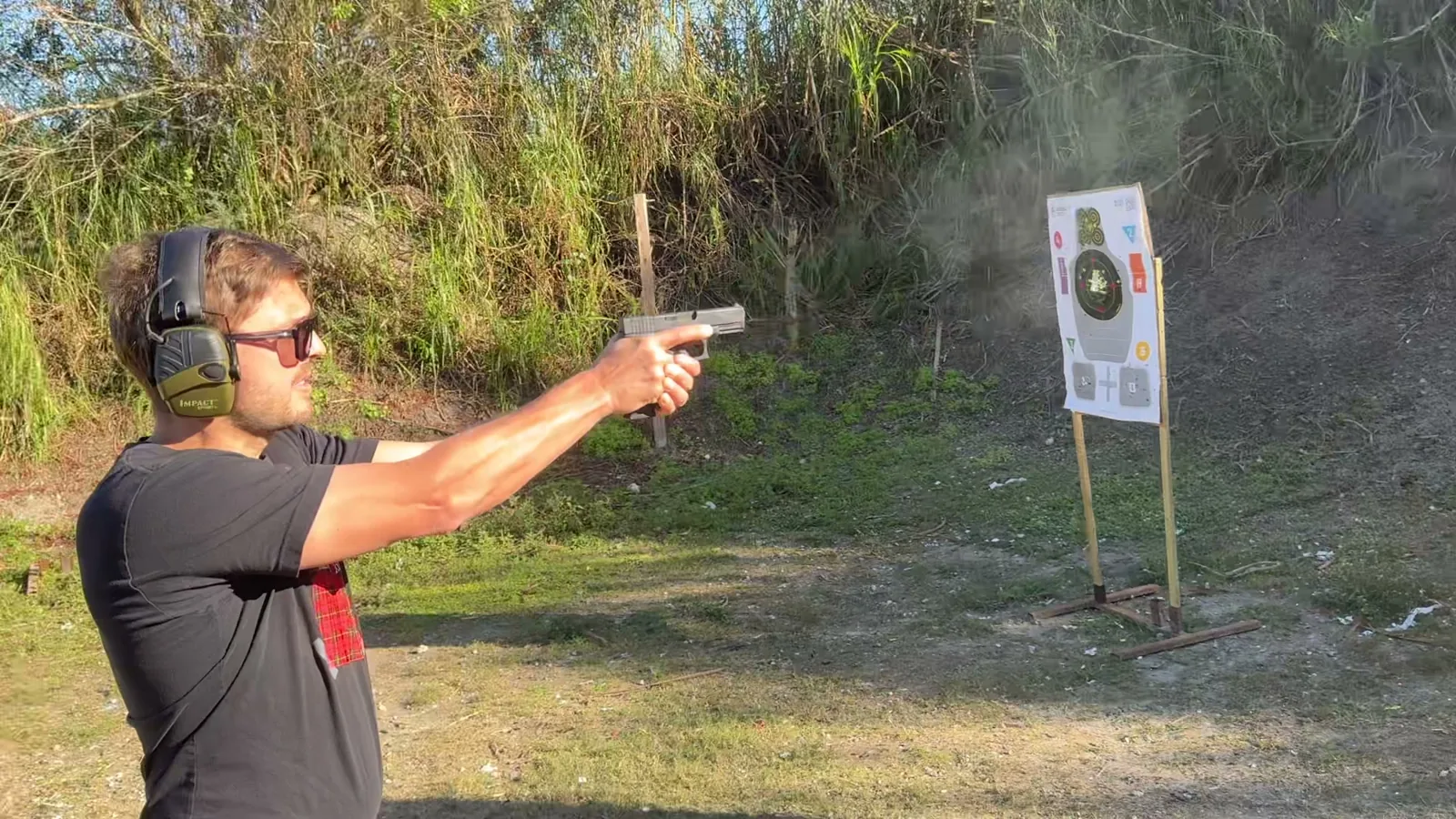
The seven fundamentals of marksmanship are stance, grip, sight picture, sight alignment, breathing, trigger control and follow-through. Every skill in defensive shooting rests on them. I am Stephen L. Cohen, a 32-year law enforcement veteran and NRA Law Enforcement Certified Firearms Instructor, and these are the building blocks I teach before anything else.
Quick answer
Seven fundamentals, one job: put every shot where you meant it.
Stance and grip control the gun. Sight picture and sight alignment aim it. Breathing keeps you steady, trigger control fires the shot without disturbing it, and follow-through keeps you ready for the next one. Of the seven, trigger control decides more hits and misses than anything else.
Without a solid stance, a strong grip, proper sight alignment and disciplined trigger control, every other skill fails when it matters most. These fundamentals are not optional. They are the baseline for every class that follows. Reading about them is worth an hour; being corrected on them in a live handgun fundamentals class is worth a year of range trips.
The Seven Fundamentals, One by One
1. Stance
Your base of stability. Use your bone structure rather than muscle to build a balanced, athletic stance. It lets you manage recoil, stay mobile and recover quickly for follow-up shots.
2. Grip
High on the pistol frame with full hand contact all the way around, with roughly a 70/30 pressure balance in which the support hand provides most of the control. A strong, consistent grip reduces muzzle rise and gives you reliable follow-up shots.
- Pistol: full hand contact with proper wrist alignment.
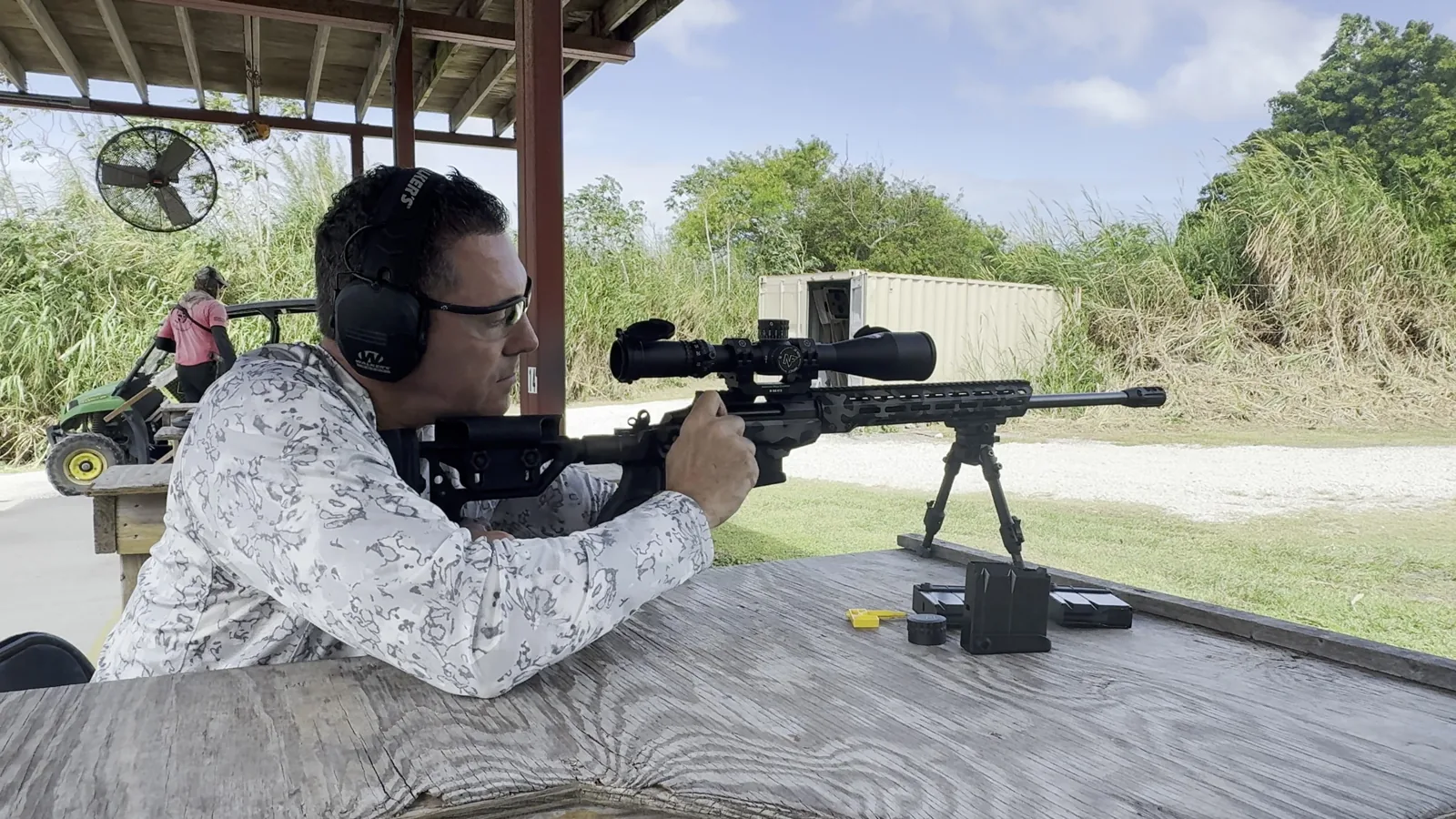
- Rifle: a firm mount under the eye, not buried in the shoulder pocket, with a consistent cheek weld, the firing hand secure on the controls and the support hand stabilizing the fore-end.
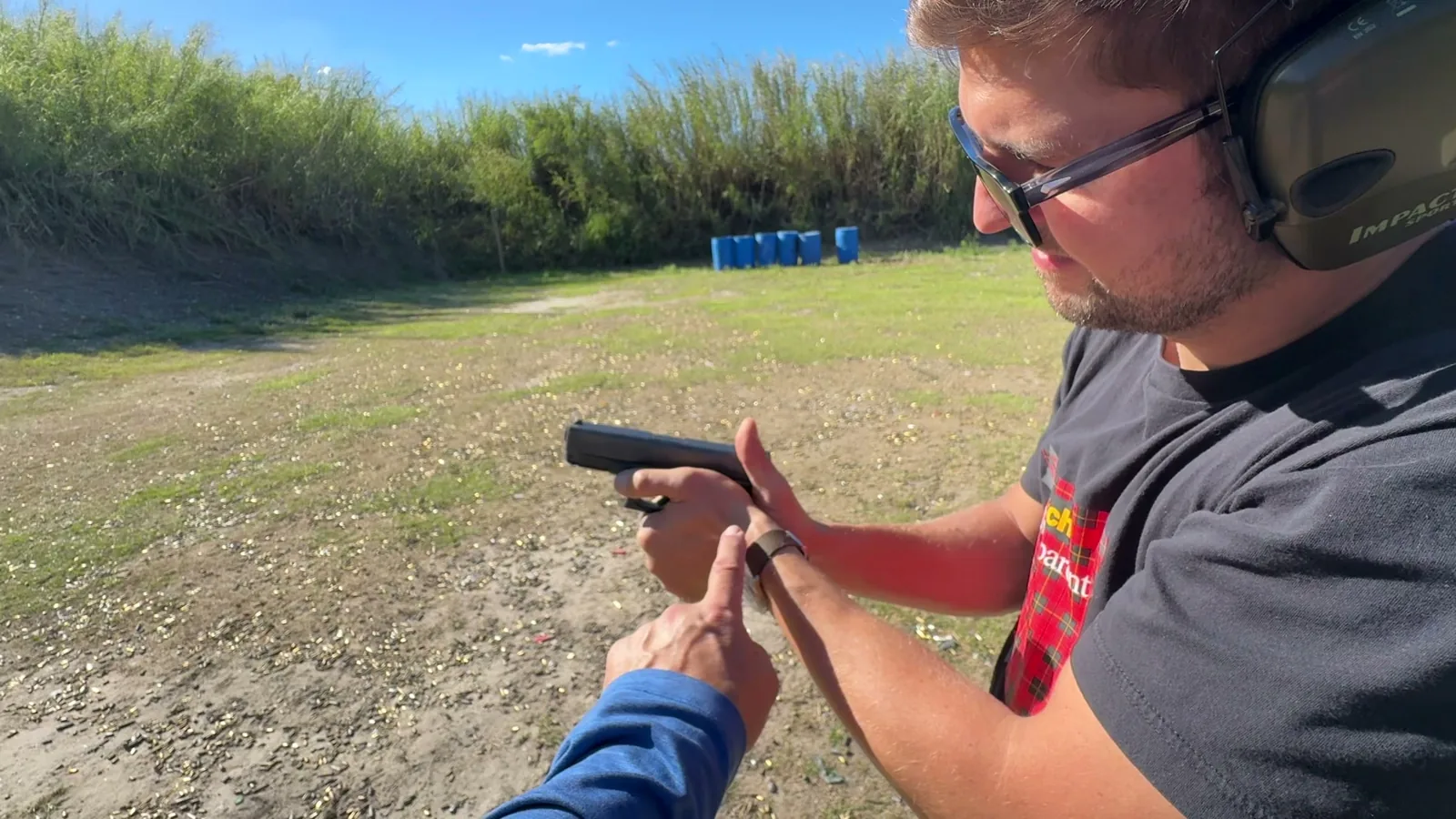
3. Sight Picture
What you see when your aligned sights are placed on the target.
- Iron sights: a clear focus on the front sight with the target slightly blurred.
- Red dot optics: keep your focus on the target and put the dot over your point of aim.
4. Sight Alignment
The precise relationship between the front and rear sights. Even a small misalignment can send rounds off target, and it matters most with a pistol because of its shorter sight radius.
5. Breathing
Controlled breathing prevents tension and steadies your aim. Use your natural respiratory pause for stability, without holding your breath too long under stress.
6. Trigger Control
A smooth, straight press to the rear, not a jerk or a slap, followed by a proper trigger reset to keep both accuracy and speed. Correct trigger control is the single most decisive factor between a hit and a miss in defensive shooting. If your hits drift low and to one side, read how to isolate your trigger finger.
7. Follow-Through
Keep your sight picture, grip and trigger discipline through the shot and right after it. Do not drop the gun or lift your head to check. Stay ready for the next shot and in control of your firearm.
The only way to find out which of your fundamentals are real is training that puts them under stress.
Pistol vs Rifle Fundamentals
- Pistol: more sensitive to grip and trigger control, because of its shorter sight radius and higher recoil for its size. See our handgun fundamentals class.
- Rifle: more stable, but it demands a consistent stance, mount and cheek weld for precision. The rifle versions of these principles are taught in rifle fundamentals training, where position and support change the answer.
Shotgun note: shotgun fundamentals follow the same principles, with extra emphasis on mount and recoil management. We cover them in our private and group tactical shotgun courses.
Why Fundamentals Fail Under Stress
On a square range the fundamentals seem easy. Under stress, a poor grip, a rushed trigger press or uncontrolled breathing quickly turns into missed shots. You will not rise to the occasion. You will fall back to your training. Repetition under qualified instruction is the only way to make these skills automatic when you need them most.
Essential Reading
Build on your foundation with these Tactical U guides:
- Firearm safety fundamentals
- Pistol and rifle malfunction clearance
- Pistol and rifle reloads
- Low-light gunfighting tactics
- Cover vs concealment
Train the Fundamentals in South Florida
The fundamentals are the core of every shot you will ever fire, on the range, in training or in a fight for your life. Master them, repeat them, and never abandon them under stress. Tactical U trains students from Miami, Fort Lauderdale and Palm Beach.
- Handgun fundamentals class for coached pistol basics.
- Tactical rifle fundamentals for mount, position and cheek weld.
- New to firearms? Start with the online beginner firearm safety class.
Marksmanship Fundamentals FAQ
What are the 7 fundamentals of marksmanship?
Stance, grip, sight picture, sight alignment, breathing, trigger control and follow-through. Together they let you shoot accurately, safely and with confidence, with a pistol or a rifle.
Which shooting fundamental matters most?
Trigger control. A smooth, straight press to the rear, followed by a proper reset, is the single most decisive factor between a hit and a miss in defensive shooting.
What is the difference between sight alignment and sight picture?
Sight alignment is the relationship between the front and rear sights. Sight picture is what you see when those aligned sights are placed on the target.
Where should I focus with iron sights versus a red dot?
With iron sights, focus clearly on the front sight and let the target blur slightly. With a red dot, keep your focus on the target and put the dot over your point of aim.
Are pistol and rifle fundamentals different?
The principles are the same. A pistol is more sensitive to grip and trigger control because of its shorter sight radius and higher recoil for its size. A rifle is more stable but demands a consistent stance, mount and cheek weld.
Why do fundamentals fail under stress?
Under stress a poor grip, a rushed trigger press or uncontrolled breathing quickly turns into missed shots. You will not rise to the occasion; you fall back to your training. Repetition under qualified instruction makes the skills automatic.
Train This Skill With Tactical U
Confirm current availability, requirements and total cost before booking. Training information is educational; individual legal eligibility is a separate question.