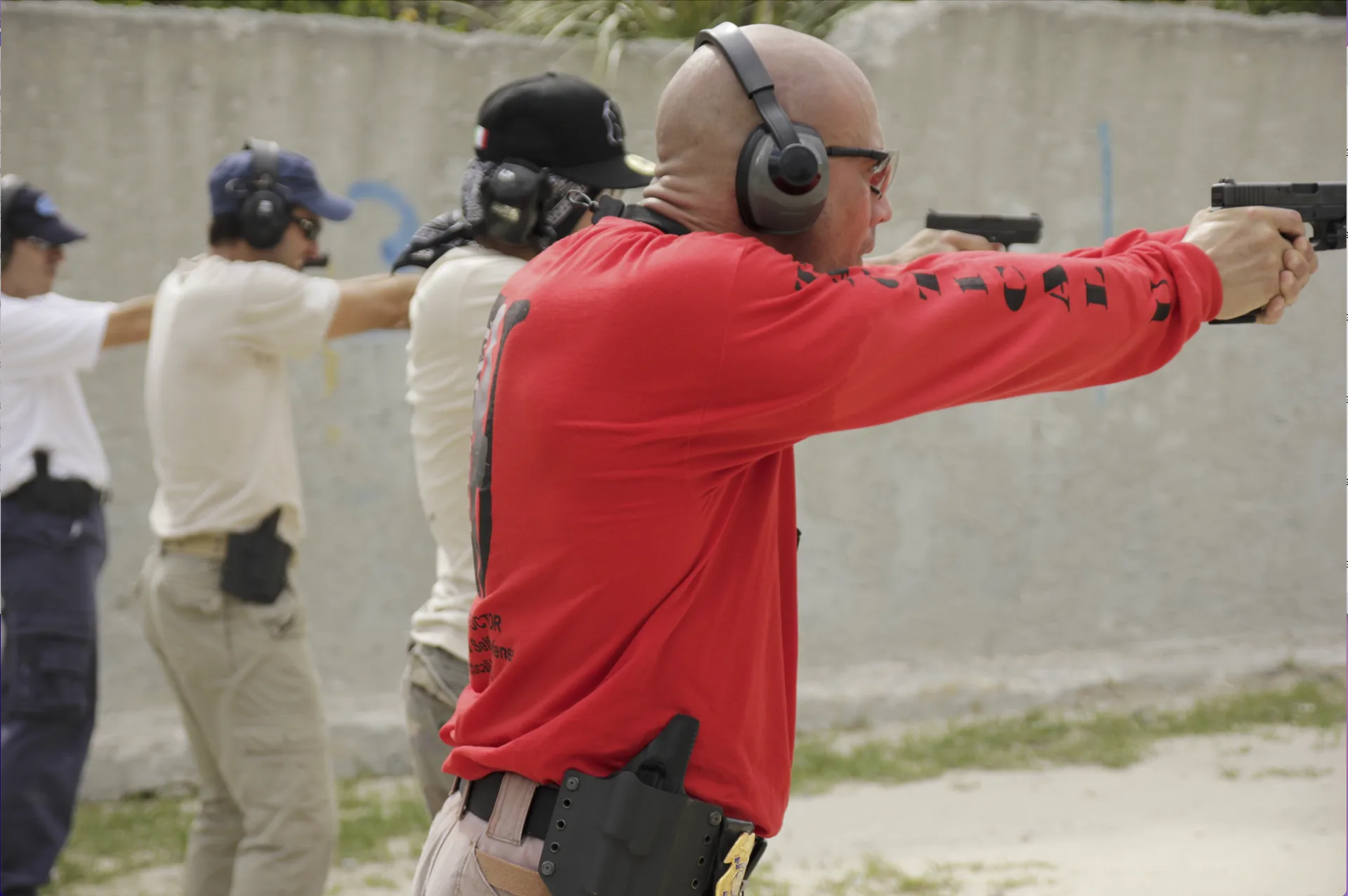
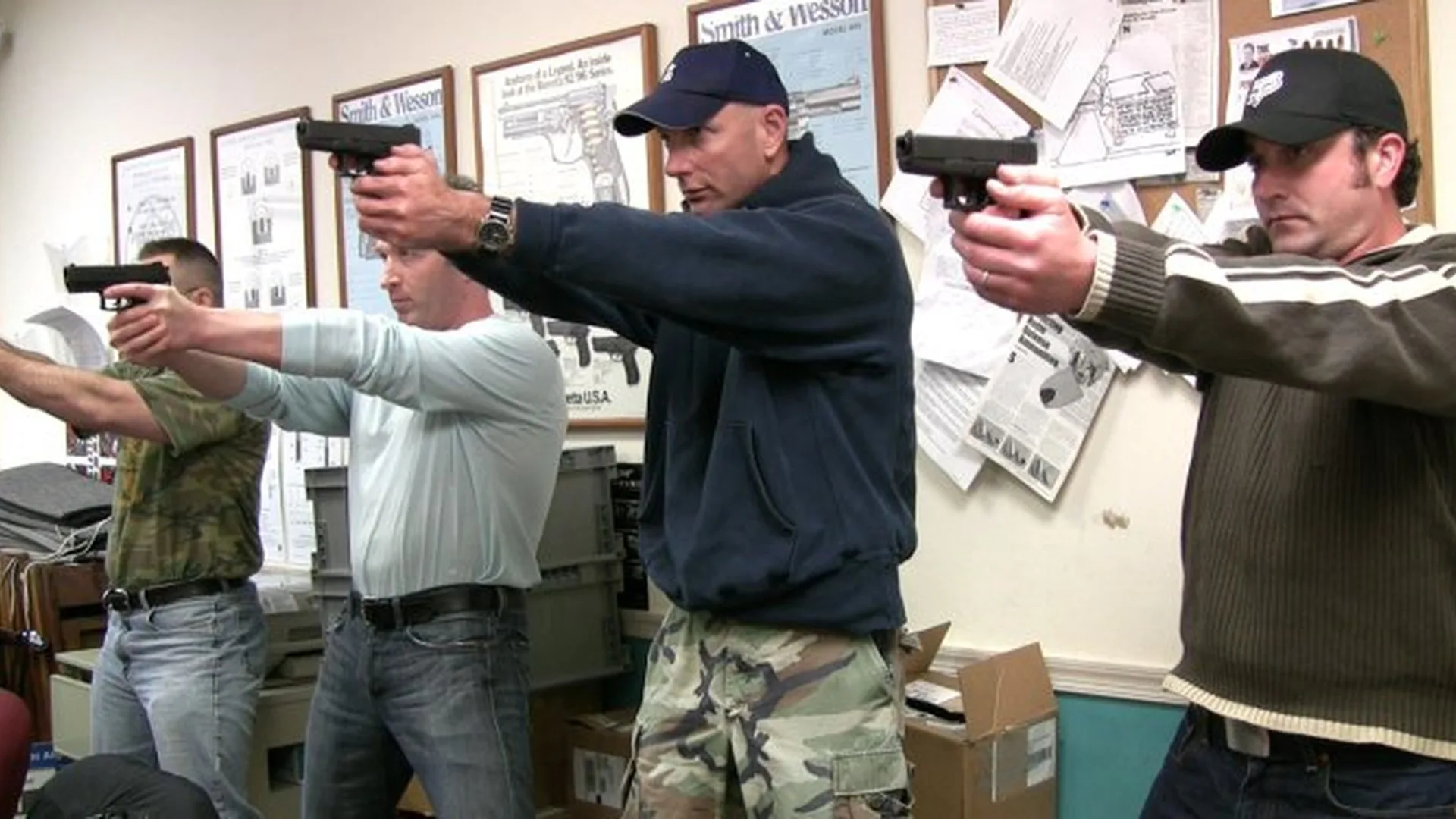
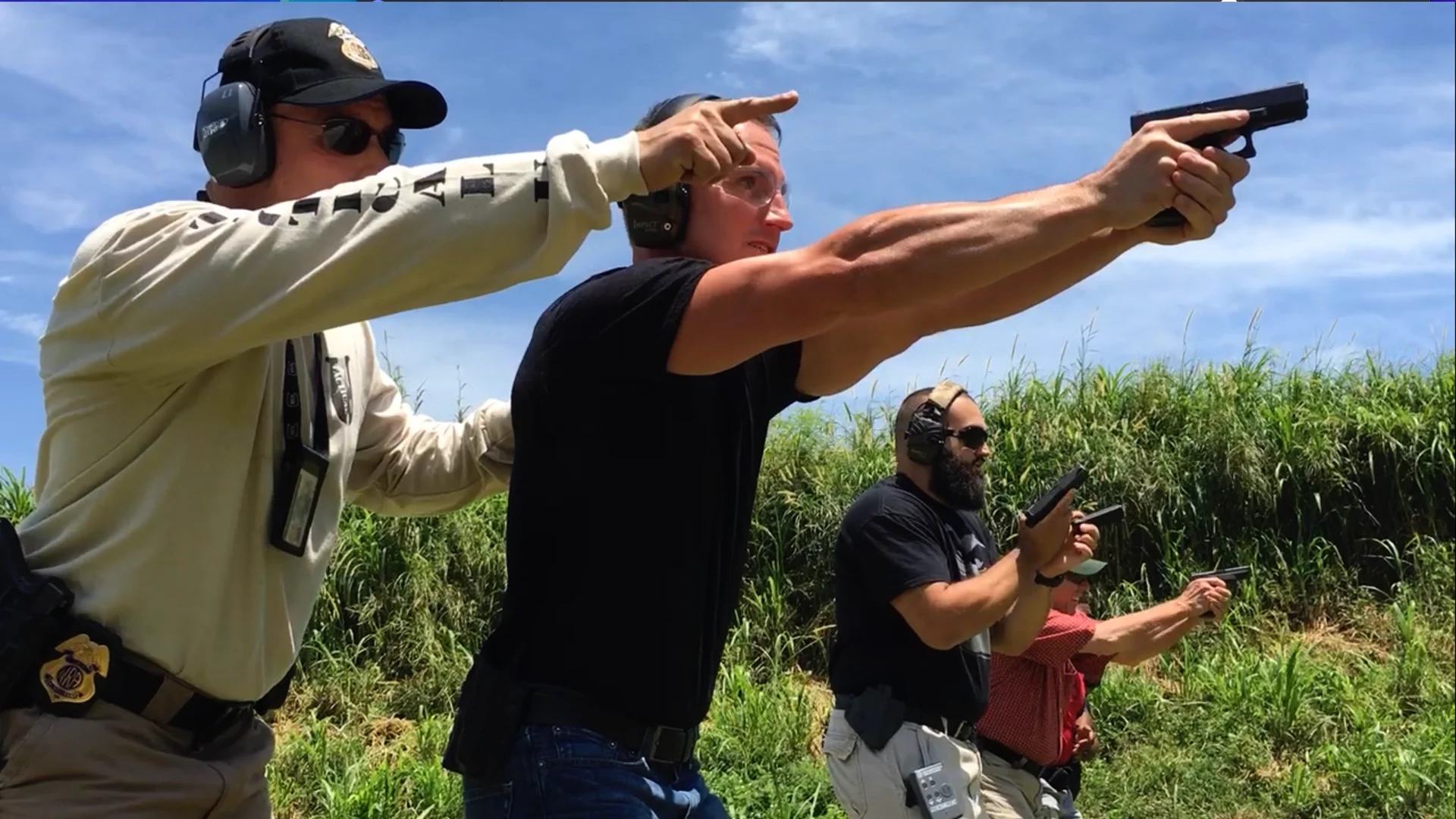
When your firearm fails or experiences gun malfunctions, knowing how to fix it instantly can mean the difference between survival and defeat. At Tactical U, our malfunction clearance training in Miami, Fort Lauderdale, and Palm Beach gives you the skills to recognize, diagnose, and correct stoppages under pressure,so you stay in the fight with total confidence. This course goes beyond theory, teaching proven techniques trusted by professionals with over 32+ years of real-world experience.
SECTION 1: FUNCTION OF FIRE, THE FIVE PHASES
Every stoppage or malfunction interrupts one of these five phases of your firearm’s cycle:
-
Feed
-
Chamber
-
Fire
-
Extract
-
Eject
Understanding these phases allows you to pinpoint the cause of any malfunction and correct it quickly,even in high-stress scenarios.
SECTION 2: MANIPULATIONS & IMMEDIATE ACTION DRILLS

In our malfunction clearance training, you’ll drill critical manipulations until they’re instinctive:
-
Immediate action drills for clearing stoppages fast
-
Speed reloads for maximum efficiency
Immediate action has to be trained until it is reflex, which is the entire purpose of the malfunction and clearance masterclass.
-
Tactical reloads with retention for conserving magazines
-
Tactical reloads without retention for prioritizing speed
Action drills and consistent repetition lead to remaining calm under pressure, and repetition leads to preparedness. With malfunctions come reloads. Read more about reload training.
SECTION 3: STOPPAGES, CAUSES & CORRECTIONS
Failure to Feed
- Cause: Magazine not fully seated, damaged, or dirty
- Correction: Insert magazine correctly or replace it
Failure to Chamber
- Cause: Dirty chamber, damaged ammo, weak recoil spring
- Correction: Clean chamber, replace ammo, or service recoil assembly
Failure to Fire
- Cause: Faulty ammo, slide not fully in battery, damaged striker
- Correction: Tap-Rack-Reassess, replace ammo, or seek professional repair
Failure to Extract
- Cause: Dirty chamber or broken extractor
- Correction: Clean chamber or replace extractor
Failure to Eject
Every clearance procedure ends in a reload, so the two skills share a foundation in reload mechanics.
- Cause: Weak grip or broken ejector
- Correction: Strengthen grip or consult an armorer for repairs
SECTION 4: MINIMIZING STOPPAGES

Most stoppages are preventable with good maintenance. You’ll learn to:
-
Clean and lubricate your pistol or rifle after every use.
-
Inspect and rotate magazines; mark baseplates to identify problem mags.
-
Service your firearm after exposure to water, sand, or harsh environments.
-
Regularly inspect stored firearms to catch issues before they become failures.
Remember: the majority of stoppages come from faulty magazines,proper mag care is essential.
SECTION 5: CARTRIDGE MALFUNCTIONS
Misfire
- Primer struck, but no ignition
- Cleared with: Tap-Rack-Reassess
Hangfire
Bolt overrides are a carbine problem and they are cleared on the clock in rifle training in Miami and Hollywood.
- Delayed ignition,keep the muzzle pointed downrange for at least 30 seconds
- Cleared with: Tap-Rack after waiting
Squib Load
- Soft report or weak recoil,possible lodged bullet
- Correction: Stop firing immediately, clear the bore manually before resuming
Recognizing these malfunctions by sound, feel, and recoil is crucial for your safety.
SECTION 6: TYPES OF CARTRIDGE STOPPAGES

Double Feed (Type 3 Malfunction / Feedway Issue)
- Two rounds jam near the chamber, locking up the slide
- Correction: Lock-Rip-Work-Load-Reassess
- May require tools if caused by a broken extractor or stuck casing
Stove Pipe
- Spent casing caught vertically in the ejection port
- Cause: Weak grip, low-powered ammo, or improper mag seating
- Cleared with: Tap-Rack-Reassess
Failure to Feed
- Round fails to chamber properly
- Cause: Damaged magazine, weak spring, or improper seating
SECTION 7: CLEARING PROCEDURES, HOW TO GET BACK IN THE FIGHT
Tap, Rack, Reassess
Quickly fixes:
- Misfires
- Hangfires
- Stove pipes
- Simple failures to feed
Lock, Rip, Work, Load, Reassess
If any of this was new to you, book a class and train the correction, not just read it.
Essential for:
- Double feeds
- Complex feedway stoppages
Our training drills these live so you can perform them instinctively under pressure.
SECTION 7A: BOLT OVERRIDES, THE RIFLE MALFUNCTION THAT LOCKS YOUR GUN
What is a Bolt Override?
A bolt override is a rare but severe malfunction, most common with AR-15 rifles, where a spent casing or live round rides above the bolt carrier and wedges into the upper receiver’s charging handle channel. When this happens, the rifle becomes completely locked,standard immediate actions like Tap-Rack won’t work.
How to Recognize It:
- Charging handle is stuck; it won’t move at all.
- Looking into the ejection port, a casing is lodged above the bolt, blocking movement.
How to Clear a Bolt Override:
- Remove the magazine to create space for bolt movement.
- Insert an empty casing or small tool directly into the bolt face through the ejection port.
- Pry the bolt carrier rearward with the casing, driving it back into the buffer tube.
- Engage the bolt catch to lock the bolt open.
- The lodged casing will fall free as the bolt moves back.
- Reinsert the magazine if needed and get back into action.
Why It Matters:
Bolt overrides can completely disable your rifle. Without knowing this specific clearance method, you can’t fix it,your rifle remains dead weight. Our training ensures you can restore function even in the worst-case scenario.
SECTION 8: WHAT TO EXPECT, IF YOU’RE CONSIDERING MALFUNCTION TRAINING

Tactical U’s malfunction clearance training prepares you to:
- Instantly identify and react to every stoppage or malfunction.
- Execute immediate action drills in real live-fire scenarios.
- Clear rare but critical malfunctions like bolt overrides on AR-15 platforms.
- Build unshakable confidence through realistic, high-pressure exercises.
By the end of this course, you’ll know exactly how to get your pistol or rifle back into action,fast, safe, and under control.
SECTION 9: DON’T BE UNPREPARED, GET THE PROPER TRAINING YOU NEED.
When your life depends on your firearm, you can’t afford to hesitate. Train with Tactical U’s malfunction clearance experts in Miami, Fort Lauderdale, or Palm Beach, and gain the skills trusted by law enforcement, military, and responsible armed citizens. Schedule a class today if you’re native to South Florida!