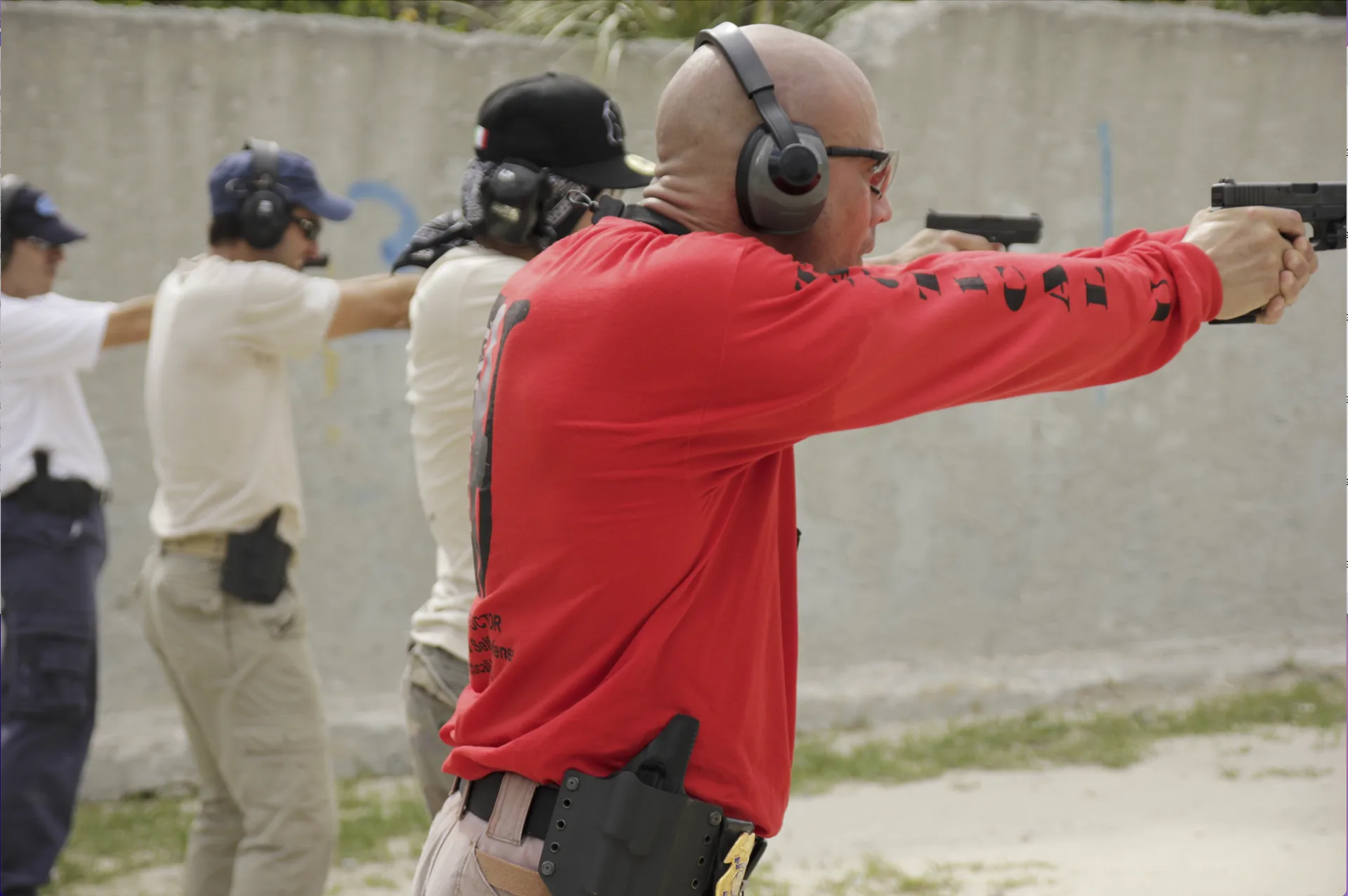
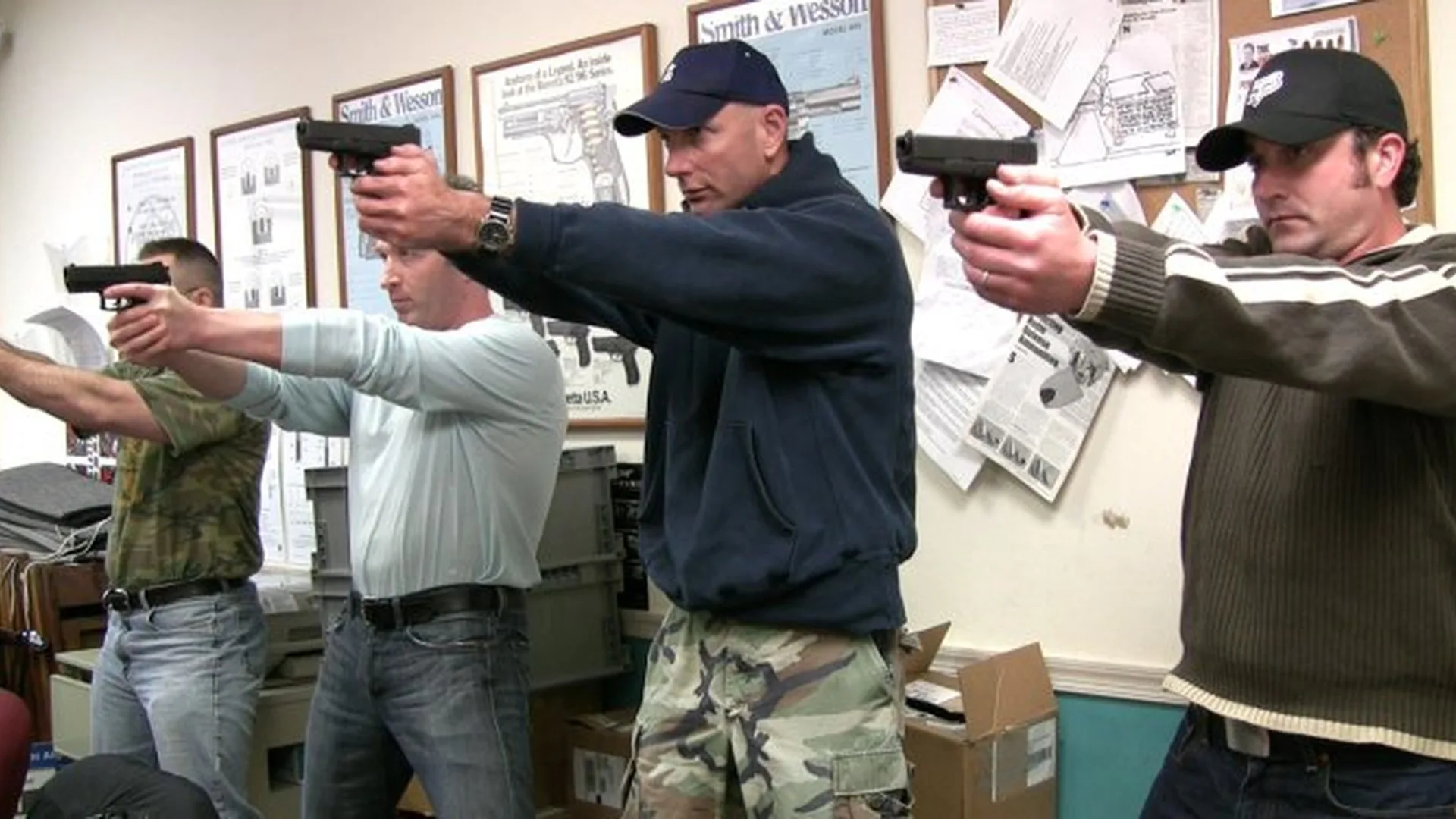
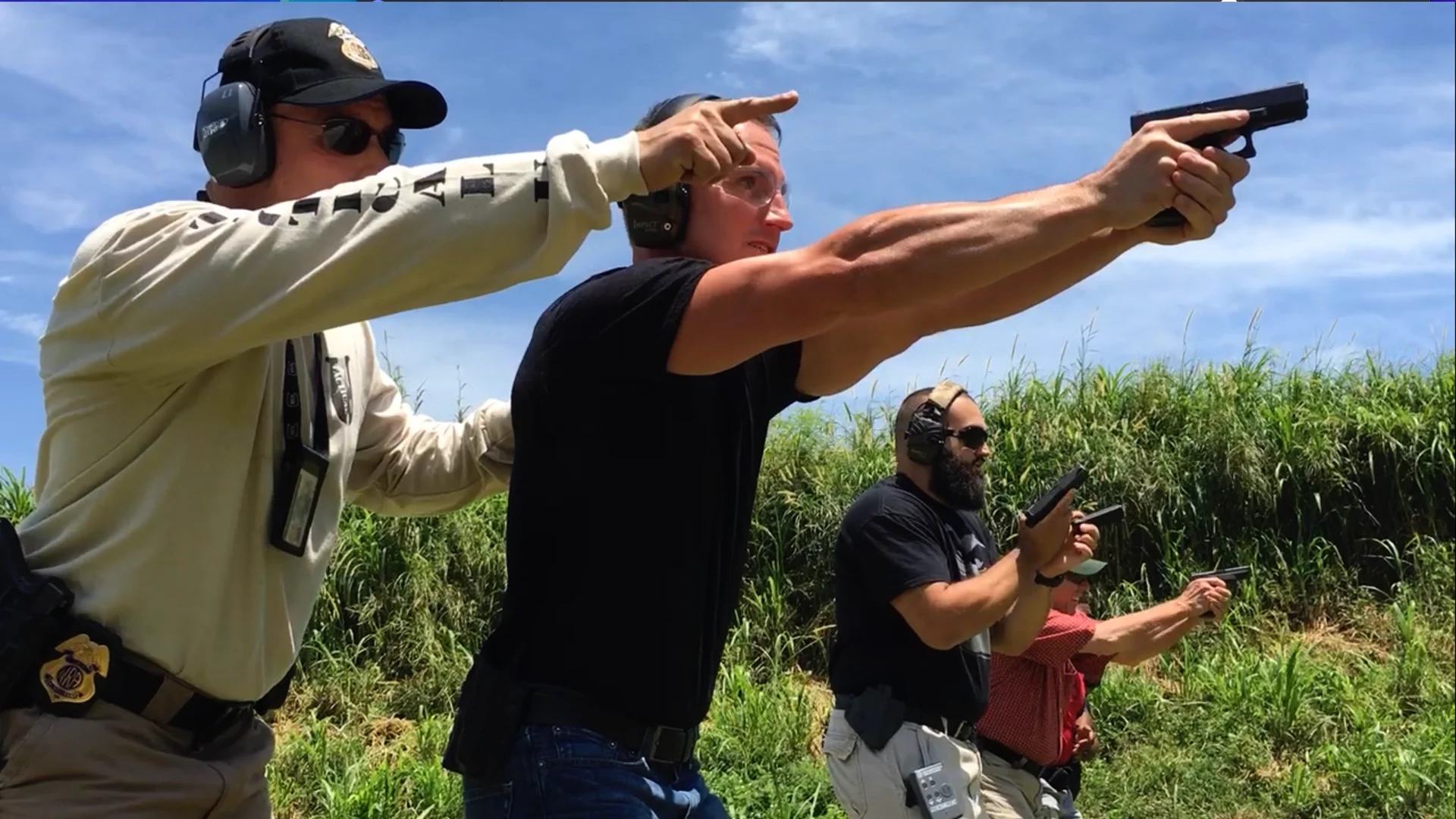
Reloading under pressure is a critical skill that can mean the difference between prevailing in a fight or becoming a victim. At Tactical U, our firearm reload training program teaches shooters across Miami, Fort Lauderdale, and Palm Beach to master tactical, proactive, emergency, and administrative reloads with both pistols and rifles, ensuring you stay in the fight when every second counts.
TACTICAL RELOAD (RETENTION RELOAD)

Performed while the firearm is still in battery, a tactical reload proactively replaces a partially used magazine with a fresh one while retaining the old magazine,ideal when you need to keep track of limited gear during a lull in engagement. The retention reload is the one most people do wrong under time pressure, and it is drilled to a standard in the firearm reload masterclass.
Pistol Technique:
- Move to cover if possible.
- Draw a fresh magazine.
- Remove and stow the partial magazine securely
- Insert the fresh magazine without manipulating the slide.
Rifle Technique:
- Keep the AR rifle shouldered or at low ready.
- Bring a fresh magazine up to the mag well.
- Remove and retain the partial mag.
- Insert the fresh magazine with firm upward pressure.
When to use it:
- When you have time, cover, and need to conserve magazines.
- Benefit: Maintains ammo capacity while preserving magazines for extended engagements.
PROACTIVE RELOAD (TACTICAL RELOAD WITHOUT RETENTION)
Similar to a tactical reload but dropping the partially used magazine instead of retaining it, prioritizing speed over conserving gear, sometimes referred to as a “hot reload.”
Pistol Technique:
- Stay alert to your environment.
- Drop the partial magazine directly.
- Insert the fresh magazine without manipulating the slide.
Rifle Technique:
- Maintain a stable rifle position.
- Drop the partial magazine quickly.
- Seat the fresh magazine firmly to avoid feeding issues.
When to use it: When you need to reload quickly without worrying about recovering the partial mag.
Benefit: Faster than a retention reload, keeps your firearm topped off without sacrificing momentum.
EMERGENCY SPEED RELOAD
Executed when your firearm runs completely empty with the slide or bolt locked back, this reload prioritizes speed to get you back in the fight immediately. The full breakdown, pistol and carbine, is in emergency reload mechanics in detail.
Pistol Technique:
- Recognize the empty firearm (slide lock).
- Drop the empty magazine instantly.
- Insert a fresh magazine.
- Rack or release the slide to chamber a round.
Rifle Technique:
- Recognize bolt lock indicating an empty AR.
- Drop the empty magazine.
- Insert a fresh magazine with firm seating.
- Hit the bolt catch or charging handle to chamber a round.
When to use it: During active threat or high-pressure situations where time is life.
Benefit: Fastest way to resume shooting when seconds matter most.
ADMINISTRATIVE RELOAD

Performed under safe, controlled conditions (e.g., range, before drills, or while preparing for carry) when there’s no immediate threat,used to top off magazines or reset training.
Pistol & Rifle Technique:
- Safely remove the magazine.
- Top off or replace with a fully loaded magazine.
- Reinsert and perform a chamber check if needed.
When to use it: Before holstering, storing, or starting a new drill.
Benefit: Ensures full capacity and readiness without urgency.
CHOOSING THE RIGHT RELOAD

Tactical Reload (Retention):
Use when you have cover and want to keep your magazines.
Proactive Reload (Drop Mag):
Related: train it live in South Florida.
Choose when speed matters more than retaining partial mags.
Emergency Speed Reload:
Execute when your firearm runs dry and you must re-engage immediately.
Administrative Reload:
Perform before or after an engagement in a safe environment.
Example: During a defensive rifle scenario, a proactive reload while moving keeps you in the fight; a tactical reload behind cover lets you stay topped off while conserving gear; an emergency reload under fire can save your life; an administrative reload ensures you start every drill or shift fully prepared.
COMMON RELOAD MISTAKES & HOW TO FIX THEM

Failing to seat the magazine fully:
Leads to failures to feed. Always insert magazines with firm, positive pressure,especially with ARs, which can require extra force. A botched reload usually becomes a stoppage, so pair this with clearing malfunctions.
Dropping magazines unnecessarily:
Retain partial mags when time and conditions allow to avoid losing critical gear.
Looking at your gun too long:
Train to reload with your eyes up on the threat or environment,develop tactile reloads so you don’t rely on visual cues. At night, remember there’s nothing to see anyway.
Neglecting dry-fire practice:
Use dummy rounds to build habits at home so reloads become instinctive before you ever go live.
FREQUENTLY ASKED QUESTIONS
Do these reload techniques apply to both pistols and rifles?
Yes. This guide covers reloads for pistols and AR-style rifles. Our training classes cover these fundamentals and advanced skills in detail.
Can beginners learn these techniques?
Yes, but we recommend building solid firearm fundamentals first through our Private Handgun Training.
Why should I practice reloads with dummy rounds?
Dummy rounds let you build perfect habits safely, so reloads become second nature without the risks of live ammo.
Do you offer training? If so, where?
All reload training and live-fire drills are conducted at our dedicated range in Miami.
Native to South Florida? Take A Class With Us!

Reloading isn’t optional,it’s essential. Master tactical, proactive, emergency, and administrative reloads for both pistols and rifles with Tactical U’s comprehensive firearm reload training in Miami, and make sure you’re always ready when it matters most. Reading a reload sequence is not the same as owning it. Train it live in South Florida. Book a time to speak with our instructors.
A proven training structure that welcomes all levels of shooters.
Our proven training progresses from dry-fire repetition with dummy rounds to live-fire reload drills under realistic pressure. Students advance step by step, building confidence and speed only after demonstrating safe, consistent technique. Tactical U’s curriculum covers pistol and rifle reloads, ensuring you’re prepared for real-world scenarios no matter what platform you carry.