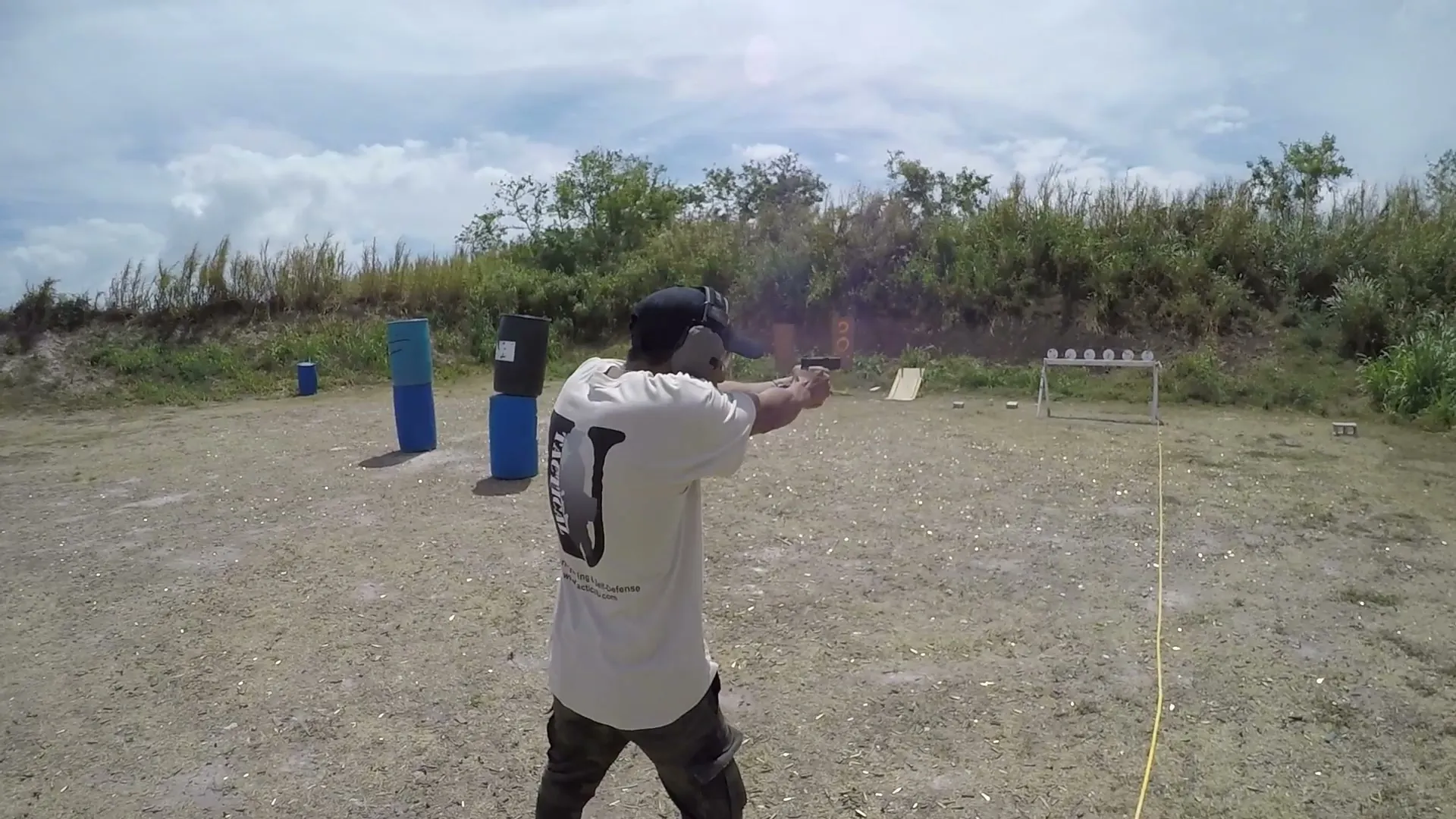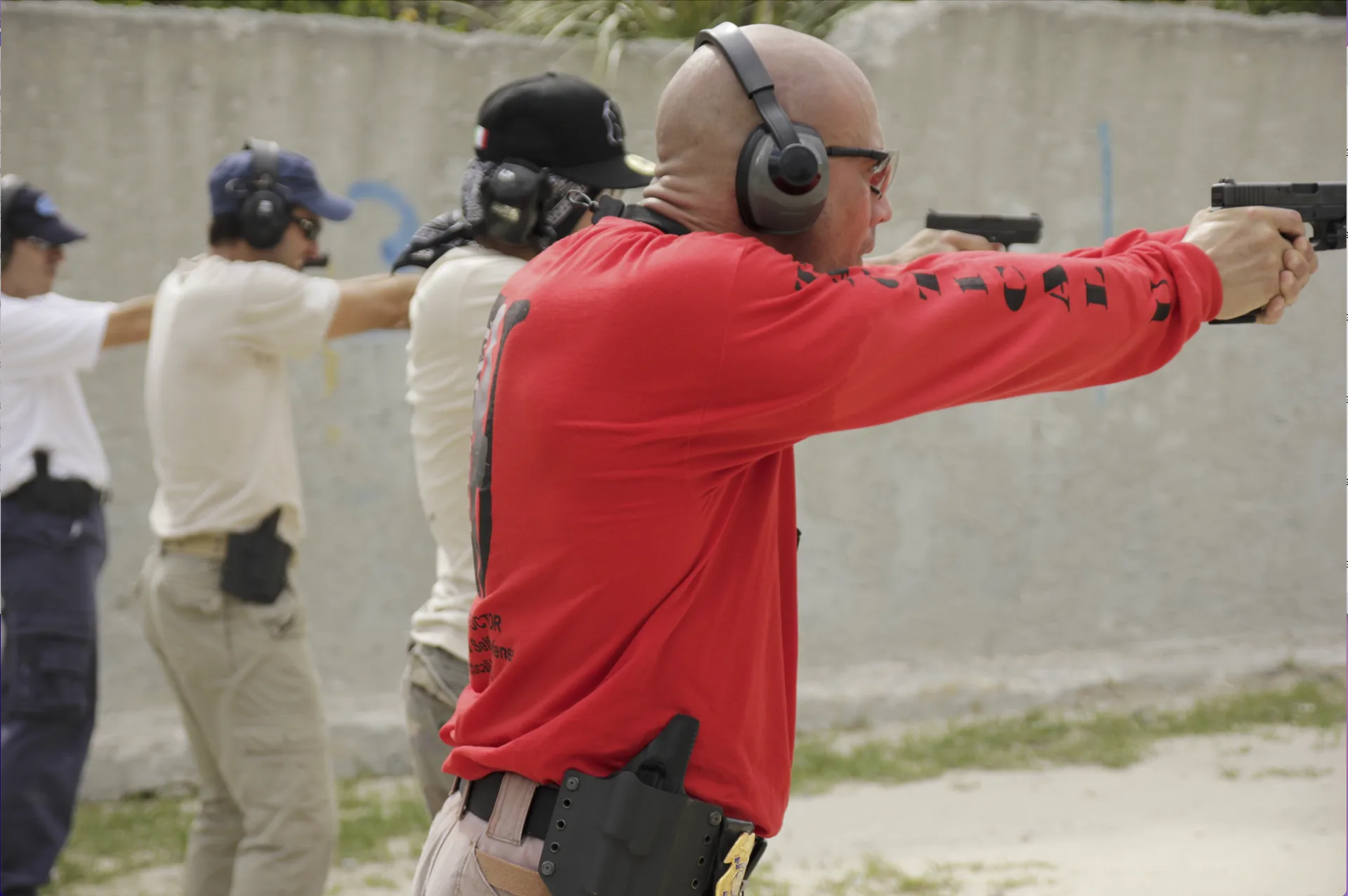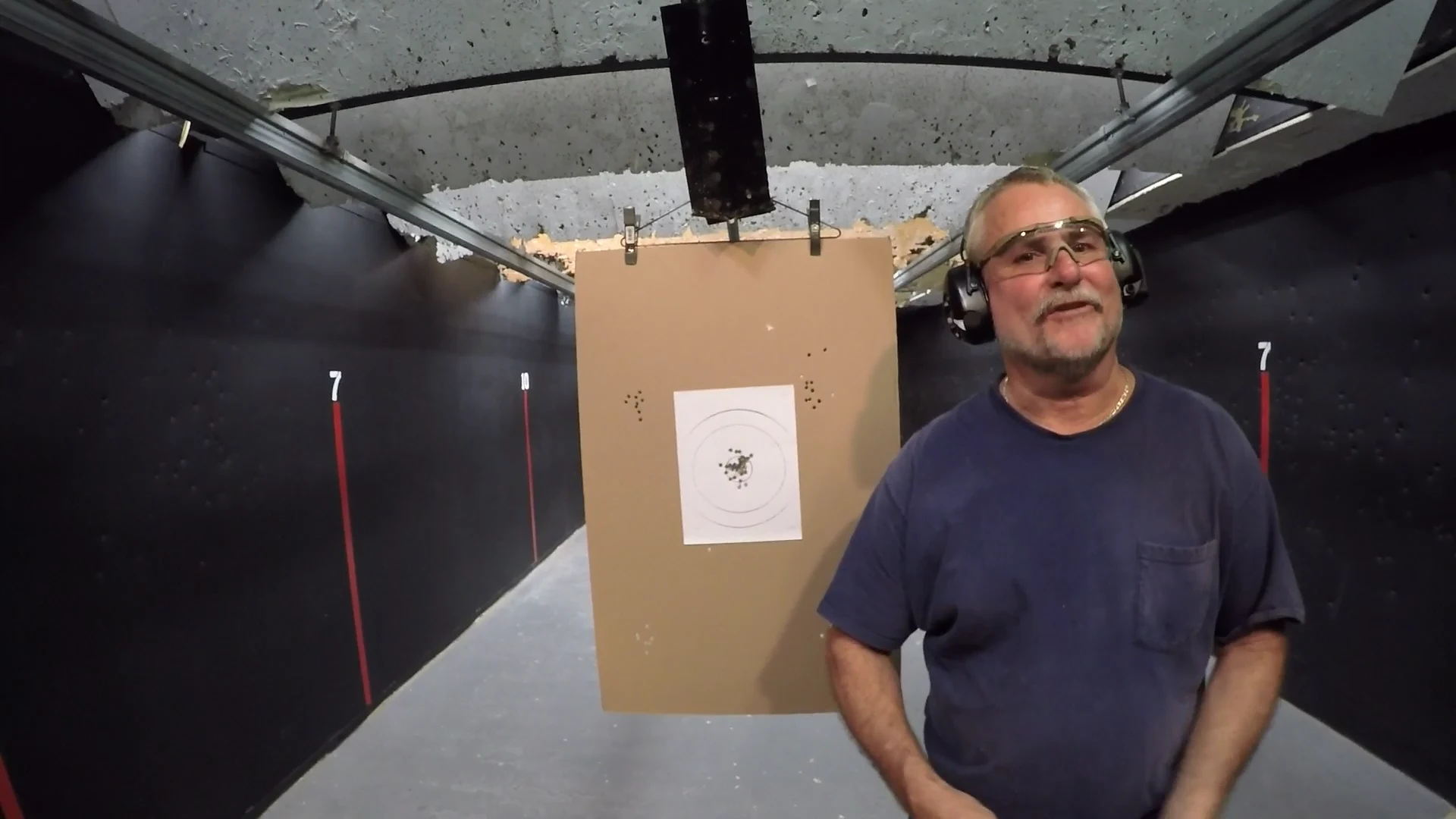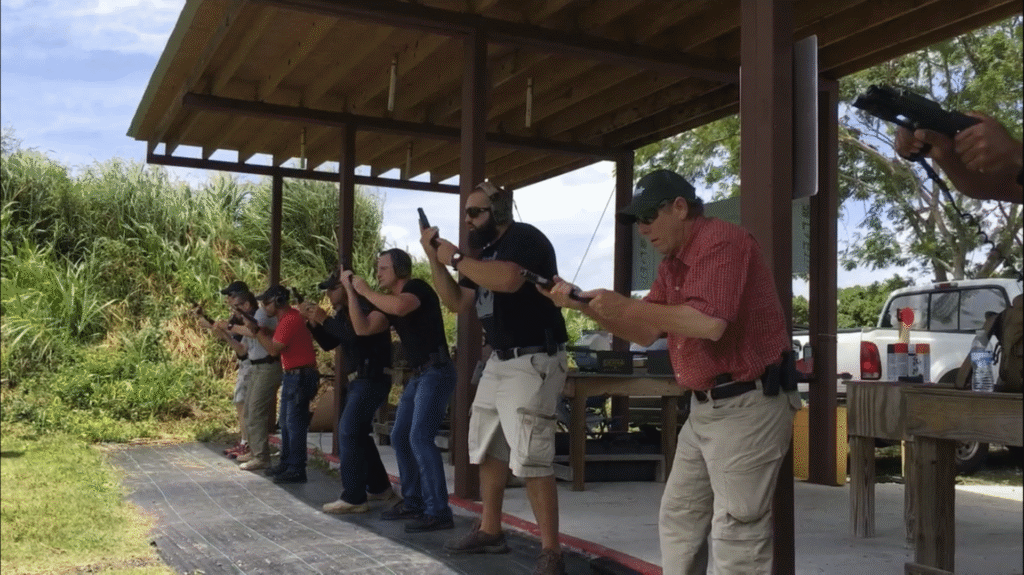
Firearms safety starts with four simple principles. They’re not opinions or suggestions; they’re habits. The basic principles of firearms safety separate professionals from negligent accidents. Control the muzzle. Control your trigger. Know your target. Treat every gun as if it’s loaded. Every time.
Firearm Safety in 10 Seconds
- Treat every firearm as if it’s ALWAYS loaded.
- Keep the muzzle pointed in a safe direction.
- Finger off the trigger until you are on target and have made a conscious decision to shoot.
- Know your target, backstop and what’s beyond.
Safety is discipline. Practice it every time.
Although there are many rules to firearms safety, these rules are the foundation of every Tactical U class, whether you’re a first-time student or a long-time shooter refreshing your discipline. Try taking a Firearms Safety Masterclass if you’re looking to sharpen your skills.
The Four Core Rules

1. Treat Every Firearm as if It’s ALWAYS Loaded
Assume every gun can fire until you’ve proven otherwise. Check it visually and physically: chamber, magazine, and barrel. Never take someone’s word for it. A “cleared” firearm is only cleared when you confirm it yourself.
Most accidental shootings are negligence, carelessness, lack of training, complacency and the tend to happen during “unloading.” A shooter clears the magazine, forgets the round in the chamber, and the next second becomes a headline. Professionals check twice, magazine out, check the chamber, then chamber again, every time the gun changes hands it is done so with the action open.
Safety isn’t a switch; it’s a mindset.
2. Always Keep the Muzzle Pointed in a Safe Direction
Where the muzzle points decides where the danger goes, directly or indirectly, a safe direction means no one gets hurt even if the gun fires. Up or down depends on the environment, but never at anything you’re not willing to destroy.
Safe direction changes with the environment. On a concrete floor, “down” can cause a ricochet. In a two-story home, “up” can send a round through drywall. Think angles, materials, and what’s behind them. Muzzle awareness is constant awareness.
Maintain control even if you stumble or lose balance. The muzzle is your responsibility, not gravity’s. Safe directions are constantly evolving, and what was once a safe direction may no longer be as we live in a dynamic environment.
3. Keep Your Finger Off the Trigger Until You are on target and have made a conscious decision to shoot
Index the frame, not the trigger. Pressure belongs there only when your sights are on target and you’ve made the decision to fire.
Good shooters build neural discipline. Every draw, reload, and movement starts with a straight trigger finger. It’s not just about accidents, it’s about control. The best shooters manage adrenaline with form, not emotion.
Accidental discharges happen when discipline disappears. Finger straight. Trigger last.
4. Be Sure of Your Target and What’s Beyond It
Every round has a destination. Know what it’s going to hit and what it might hit after. Bullets don’t stop at convenience. Backstops, walls, and brush aren’t magic barriers.
Rounds don’t care about intent. A missed shot that travels beyond your target still belongs to you in the eyes of the law. Responsible shooters identify what’s in front, behind, and beside the threat before pressing the trigger.
If you can’t confirm what’s beyond your target, you don’t have a shot.
Practical Safety Beyond the Core Rules

Every environment introduces new hazards: crowded ranges, vehicles, and low-light scenarios. Tactical shooters practice movement drills that keep the muzzle safe through 360 degrees. Safety doesn’t slow you down; it keeps you alive under pressure.
Safe Loading and Unloading
- Muzzle safe.
- Finger indexed.
- Remove the magazine, open the action, inspect the chamber.
- Announce “clear” before setting the firearm down.
- Leave action open if you put the firearm down or hand to someone, muzzle pointed away.
Loading and unloading are when most negligent discharges occur. Move slow. Think before touch. More on reload techniques here.
Malfunctions and Misfires
If a gun doesn’t fire, keep it pointed downrange. Wait thirty seconds. Then clear it safely. Don’t turn around or sweep others with the muzzle. A delayed discharge can happen without warning.
If you don’t understand a stoppage or malfunction, STOP, put the firearm down, and go get a range officer and ask them for help. Read more on gun malfunctions here. Also consider taking a class if you’re looking to expand your knowledge and implement real-life training.
Training turns this from reaction to reflex.
Range and Training Discipline
Obey the Range Safety Officer/Instructor. No exceptions.
- Eye and ear protection on before the line goes hot.
- Muzzle always downrange.
- When you hear “cease fire,” stop immediately.
Safety is compliance without ego. The range is where small mistakes become lessons before they become tragedies.
Secure Storage and Transport
Safe Storage at Home
Firearms stay locked, unloaded, and separate from ammunition. Mechanical safeties are mechanical parts; they fail. Locked storage doesn’t.
Unsecured firearms are one of the top sources of stolen guns recovered in crimes. A safe protects more than property; it protects your name. Responsible carriers secure weapons the same way they maintain them, consistently.
If someone unauthorized can access your gun, your safety plan has already failed.
Transportation Basics
Guns ride unloaded, actions open, secured in a locked case. Know your state’s transport laws before you move an inch. “I didn’t know” won’t stand in court.
Traveling shooters follow one universal rule: if you cross state lines, confirm reciprocity before you carry. Responsibility doesn’t end at the border.
Ammunition, Maintenance, and Cleaning
Use Correct Ammunition
Read the barrel. Read the box. Caliber markings exist for a reason. The wrong round turns pressure into shrapnel.
If it doesn’t fit, stop. Mismatched ammunition can destroy the weapon and injure the shooter. Precision starts long before the first shot.
Routine Inspection and Cleaning
A dirty gun is a liability. Clean it after every range day or exposure to moisture. Always confirm it’s unloaded first. Keep ammunition in another room.
Cleaning is also inspection. While wiping carbon, check for cracks, burrs, and spring tension. A firearm that fails on the line can’t protect you off it. Treat maintenance like part of your training, not an afterthought.
Your firearm can only protect you if it works, and that starts with maintenance.
Common Mistakes and Misconceptions

“It’s Unloaded, So It’s Safe.” Wrong.
Every “unloaded” gun that’s ever fired started with someone saying that line. Check it. Then check again.
“The Safety Will Stop It.” Wrong Again.
Mechanical safeties are backups, not guarantees. Complacency isn’t a safety feature.
“I’m Only Careful at the Range.” Dangerous Thinking.
Safety rules don’t clock out. They follow you at home, in your car, and on every hunt or carry day.
“Is Insurance Necessary?” Important Question.
Yes. If you ever have to defend yourself, the legal and financial aftermath can be just as serious as the incident itself.
Carry insurance helps protect you from the cost of legal defense, expert witnesses, and potential civil claims.
You train to protect your life; insurance protects what happens after.
For reliable coverage options built for responsible gun owners, learn more about carry insurance here.
The Mindset Behind Safe Carry
Safety Is an Attitude
Awareness beats reaction. Every move with a firearm should be deliberate. Handle each gun like it’s live, even when you know it’s not. That consistency saves lives.
The mind reacts under stress the way it trains under calm. That’s why Tactical U courses repeat the same habits until they’re reflex. Under pressure, fine motor skills collapse. Habit replaces hesitation.
Training Builds Habit
Safety that isn’t trained isn’t real. Repetition hardwires discipline, not words or theory. Professional instruction gives you oversight, correction, and accountability.
Discipline is learned through correction. The best shooters stay students for life because complacency never makes the cut.
Final Thoughts
Firearms are tools. Powerful, permanent tools. Respect for that power keeps you, your family, and everyone around you alive.
Firearm safety is learned, practiced, and refined. Every repetition builds confidence and respect. Stay humble, stay alert, and never stop training. Complacency is the only true safety hazard. Learn more about firearms safety and fundamentals here.
Train This Skill With Tactical U
Turn the idea from this article into coached reps with Tactical U.