
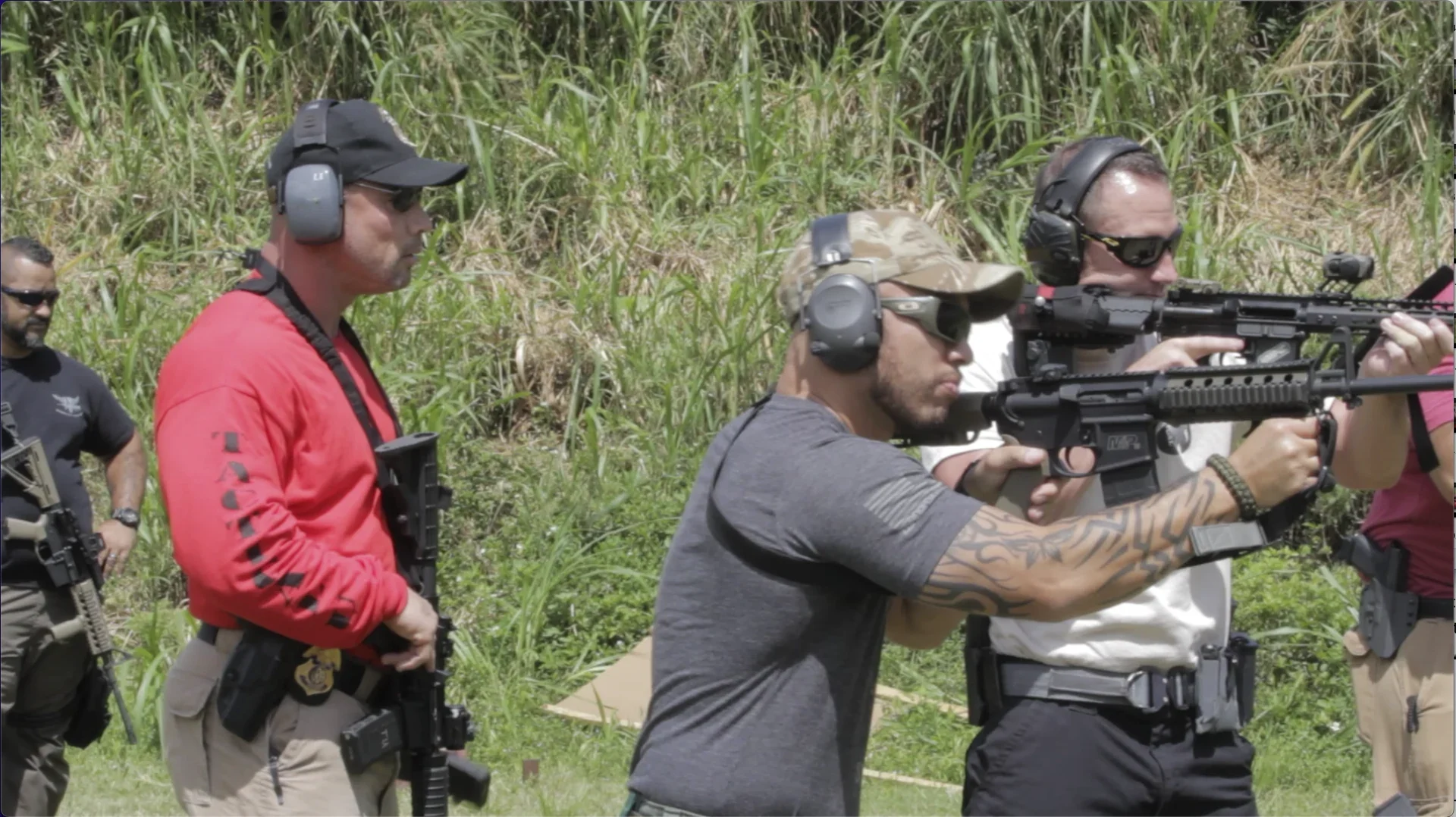
Choose advanced firearm training for a skill you need to improve. You may handle a firearm safely but lose consistency when the task changes, need help with equipment handling, or want supervised decision practice. Tell the instructor where that happens and what training you have completed. That gives you a useful starting point for choosing a course.
This guide compares Tactical U’s training paths for Miami-area students. The linked pages describe separate courses, with their own prerequisites and equipment lists. Use them to narrow your choice, then confirm the venue, current price, and booking details.
Who Benefits Most from Advanced Firearm Training in Miami?
Advanced instruction is useful when you have an established foundation and can identify what needs work. Describe that work to the instructor, including any break in your training. Completing an introductory course is helpful background, but the instructor still needs to understand your current ability.
Owning a firearm or holding a concealed weapon license does not establish readiness for every course. Describe your previous training and what you can do without repeated help. If you are still learning the controls or need close supervision for basic handling, private handgun instruction may be a more useful first step.
Look for a course that builds on what you can already do safely and gives feedback on the next skill. The Gunfighting course progression explains the defensive-pistol training rungs so you can compare them before booking.
How Does Tactical U Tailor Training for Miami's Legal and Safety Requirements?
Before live fire, make sure you understand the course’s safety rules, range commands, and equipment-handling procedures. Ask how to get help when something is unclear. Discuss unfamiliar gear and any accommodation you may need with Tactical U before the session.
Legal eligibility and course readiness are separate questions. Admission to a course does not establish permission to possess or carry a firearm in every setting. Resolve doubts about eligibility or an individual legal issue before booking. A generic course description cannot answer those questions.
For a Florida concealed weapon or firearm license, consult FDACS concealed weapon license information and the appropriate qualifying-course details. FDACS issues the license. Do not assume an advanced course meets a licensing or professional qualification requirement.
Use of Force Guidelines
Florida’s section 776.012 distinguishes nondeadly and deadly force and sets conditions for each. A training exercise cannot determine whether force would be justified in an individual incident. Read the current law and take personal legal questions to a qualified attorney.
Decision training can help you review what you noticed, what you assumed, and which options you considered. The article on decision-making under ambiguity explains this subject. Keep a legal question tied to its facts and applicable law; a distance, phrase, or certificate does not resolve it.
Which Advanced Firearm Training Courses Does Tactical U Offer in Miami?
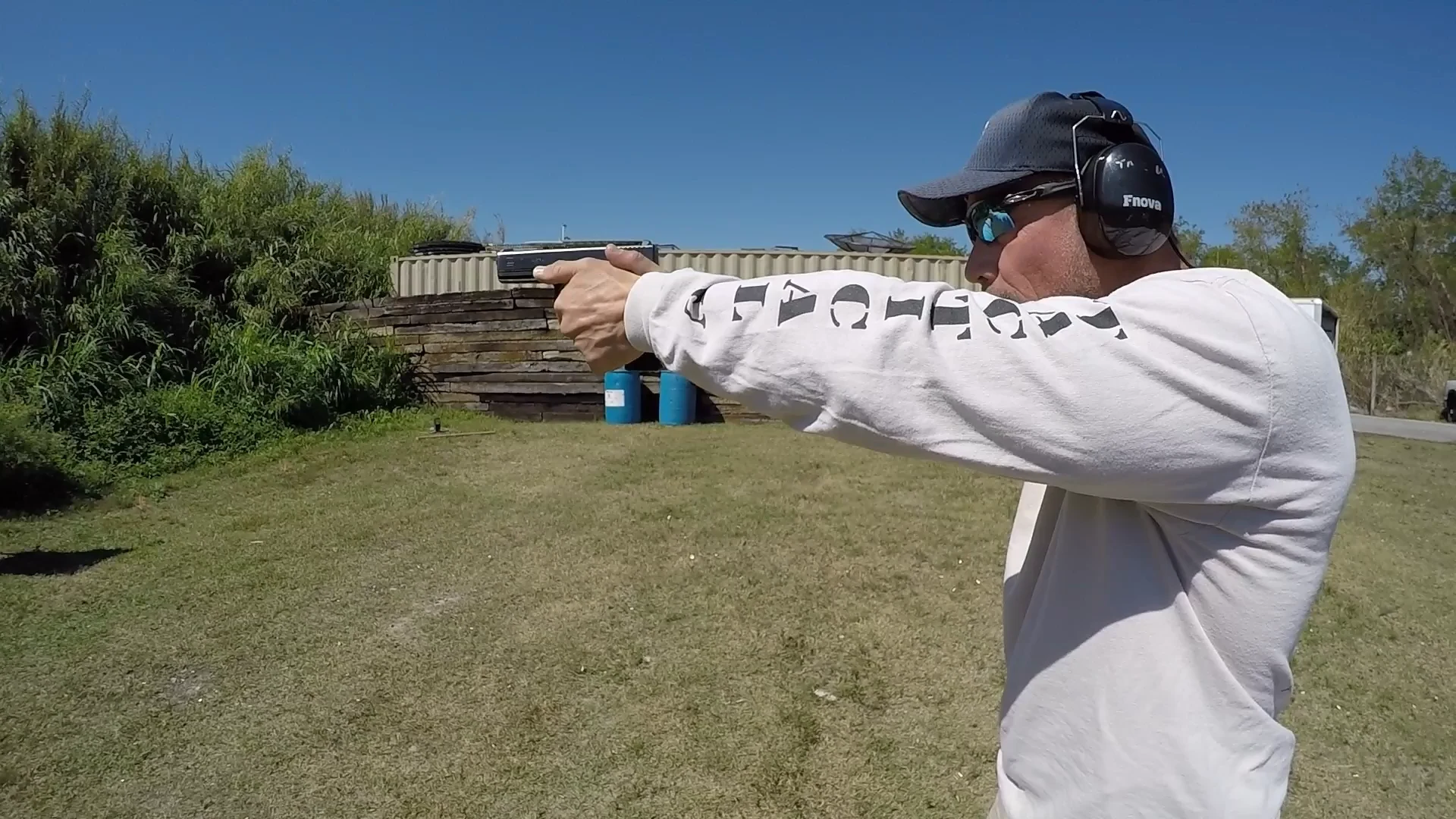
Start with the discipline and goal. Tactical U’s course directory separates handgun, rifle, shotgun, and advanced-training paths. The following links lead to distinct courses or progression guides. Each session has its own scope.
- Defensive pistol progression: compare Gunfighting 101 with the later course described in Close Range Gunfighting. Check where your foundation fits.
- Rifle progression: review Tactical Rifle Fundamentals before considering Dynamic Rifle.
- A specific skill gap: check the separate reload and malfunction-clearance masterclasses rather than assuming you need a broad advanced course.
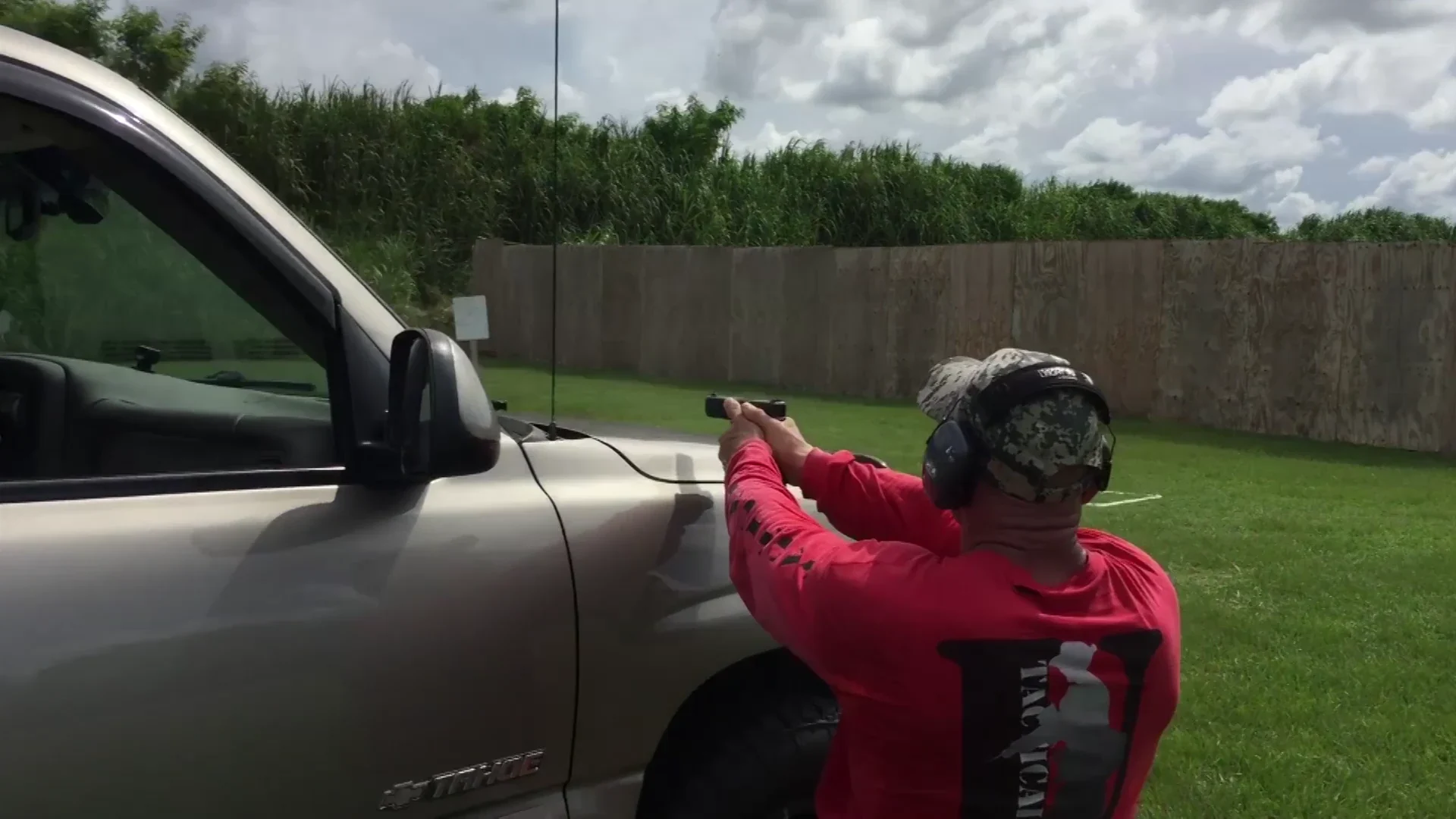
- Specialized conditions or decisions: review the relevant low-light handgun, vehicle-training, or interactive scenario information and its prerequisites.
If more than one option seems suitable, ask Stephen to help you choose. Discuss the next skill you need to work on. Be specific about your experience. You do not need to register for the most demanding course to get worthwhile instruction.
What Are the Key Features of Advanced Defensive Pistol or Handgun Training?
Defensive-pistol instruction builds on handling and marksmanship you can already perform safely. Depending on the course, later work may involve firearm operation, equipment management, movement, or decisions. Read the syllabus so you know which subjects are included and what preparation they require.
Ask how the instructor checks readiness and gives feedback. You should understand the task. When you need a correction, it should be specific. You also need a way to check the next attempt. Repeating an exercise faster is not the same as resolving a handling problem.
Private and group formats also serve different needs. A private handgun session allows individual attention to your starting point. A group course follows its published format and requirements. Confirm the available arrangement rather than assuming one description applies to both.
How Do Advanced Rifle Courses Enhance Shooting Proficiency?
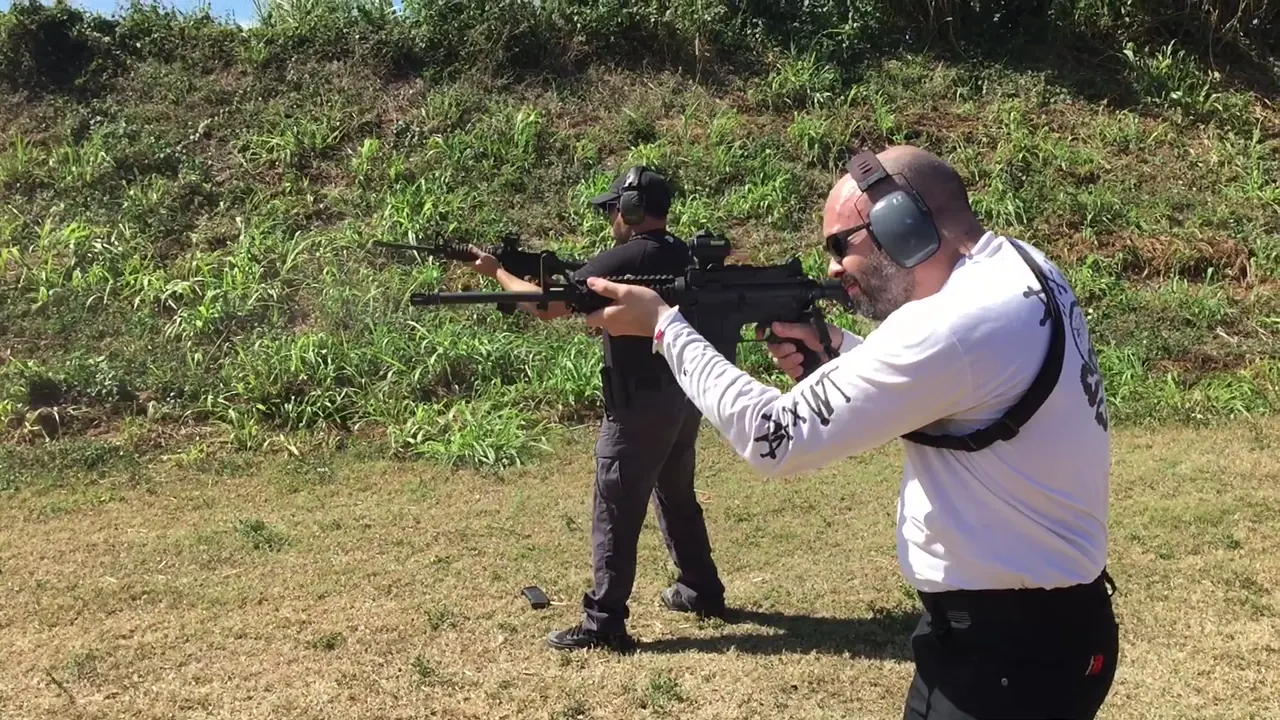
A rifle course should extend a defined foundation. Ask which skills you need before arrival and what equipment to bring. Check how the course differs from the one you completed. A shooter can be comfortable with a handgun and still need foundational rifle instruction.
Keep dynamic-rifle and precision-rifle goals distinct. The Dynamic Rifle course and private precision scoped-rifle training have different purposes. If your main concern is repeatable accuracy, read what rifle marksmanship training involves before choosing on the strength of a photograph or course name.
What Self-Defense and Tactical Skills Are Covered in Miami Classes?
The answer depends on the class. Live-fire skills, specialized environments, and interactive scenarios call for different instruction. Confirm what is included and what is outside the session’s scope.
For scenario work, ask how decisions are reviewed and what handling foundation is required. For a specialized course, ask which prerequisites and equipment apply. Do not infer a curriculum from a broad phrase such as “real-world training.” The published syllabus and your conversation with the instructor should answer those questions.
Training should examine whether to avoid involvement or disengage safely. Either may be the appropriate decision in an exercise. A more complicated response is not automatically a better one. Discuss that within the course under instructor control. Do not try to recreate an exercise from this article.
What Certifications Can You Earn Through Tactical U's Training Programs?
Before booking for a credential, identify the exact requirement. Ask whether the selected course satisfies it. A completion certificate differs from a concealed-carry qualification. An employer or agency may need another form of qualification. Each serves its own purpose. Do not treat them as interchangeable.
If your goal is a Florida concealed weapon or firearm license, use the concealed-carry class guide and current FDACS requirements. Do not assume a general advanced course supplies a licensing document or renewal qualification. Confirm the exact requirement before booking.
If an employer or agency needs a particular record, provide its written requirement before registering. Confirm the exact course and documentation. This guide does not promise armed-security licensing or a separate tactical credential. It does not promise acceptance by a third party.
What Are Common Legal Questions About Firearm Training in Miami?
Ask separately about course admission, firearm possession, carrying, and the purpose of the class. A question about a student’s age may involve more than one of those issues. Contact Tactical U about the specific student and course. Do not apply a blanket age statement to every activity.
A firearm license does not make every use of force lawful. Advanced instruction does not change the applicable law. Use official sources for general requirements and an attorney for individual advice. If you are traveling with a firearm, resolve the rules relevant to that trip before leaving home.
What Equipment and Gear Are Required for Advanced Firearm Training?
Use the equipment list for the course you select. Confirm what you need before paying. Ask whether range charges or other costs are additional, then check these details with Tactical U:
- The firearm to bring.
- Ammunition quantity and type.
- Eye and hearing protection.
- Clothing and supporting equipment.
- Documents and completed prerequisites.
Tell Tactical U what equipment you own and what you need to arrange before buying gear for a course. Confirm rental availability and cost for that session. Discuss unfamiliar equipment in advance so it does not become a surprise on the training day.
Confirm the actual venue and prepare for its conditions. Tactical U serves Miami-Dade, Broward, and Palm Beach students. Its venues include indoor training in Fort Lauderdale and outdoor training in Homestead. Follow the location and arrival instructions for your booking. Miami-area courses do not all use the same range.
Who Are the Instructors Leading Tactical U's Miami Classes?
Stephen L. Cohen founded Tactical U. He has more than 32 years of operational law-enforcement firearms experience. His background includes SWAT work and NRA Law Enforcement firearms instruction. His credentials page provides the background; the instructor directory identifies the teaching team.
Ask who will teach your session and how their experience fits the subject. You also need clear explanations, an appropriate pace, and feedback you understand. The credentials listed for Stephen should not be read as the background of every instructor.
Push Beyond the Basics, Train for a Defined Goal
Review the prerequisites for the course you’re considering and tell Stephen where your current skills fit. If a requirement reveals a gap, work on that first. You can then choose later instruction with a clearer idea of what you’re ready to learn.
Use the current South Florida course directory for prices and booking routes. For a private session or group request, provide your experience, training goal, and preferred dates. Ask for the applicable price and terms; discounts, installment plans, and availability need confirmation.
Frequently Asked Questions
What is the difference between tactical shooting and traditional marksmanship training?
Marksmanship develops accurate, repeatable shooting. A tactical course may add other handling or decision tasks, depending on its syllabus. Check the selected course rather than assuming the word tactical describes a standard package of exercises.
Are there age restrictions for participating in Tactical U’s courses?
Confirm eligibility for the specific course and student before booking, especially for someone younger than 18. Course admission, firearm possession, and concealed weapon license eligibility are separate questions. A general article cannot resolve all three.
How does Tactical U ensure safety during training sessions?
Before live fire, the course should explain its safety rules and range commands. It should cover handling procedures and protective equipment. Follow the instructor’s directions. Raise equipment problems promptly and ask whenever an instruction is unclear. Training does not eliminate risk.
Can I take multiple courses at Tactical U, and are there discounts available?
Choose a sequence of courses whose prerequisites match your skills, and ask Stephen where to start. For a group or multiple-course request, confirm current pricing and payment terms directly with Tactical U. A request does not establish a discount or installment arrangement.
What ongoing support does Tactical U provide after completing a course?
Ask your instructor what follow-up guidance comes with the selected course. You can also read Tactical U’s published training articles. Confirm any coaching, legal-update service, or continuing qualification separately before relying on it.
How much does advanced firearm training cost, and how do I book?
There is no single price for every advanced course. Use the current Tactical U course directory and the selected course’s booking route. Confirm prerequisites, ammunition, rentals, range charges, other applicable fees, venue, and availability before paying.
Train This Skill With Tactical U
Tell Stephen which foundation you have and which problem you want to work on next. Ask for help if you are unsure which course fits. Discuss skills courses, later training, and scenario work before registering.