At Tactical U, trigger control is not treated as a “feel” or a timing exercise.
It is treated as a mechanical isolation standard.
The Standard is non-negotiable:
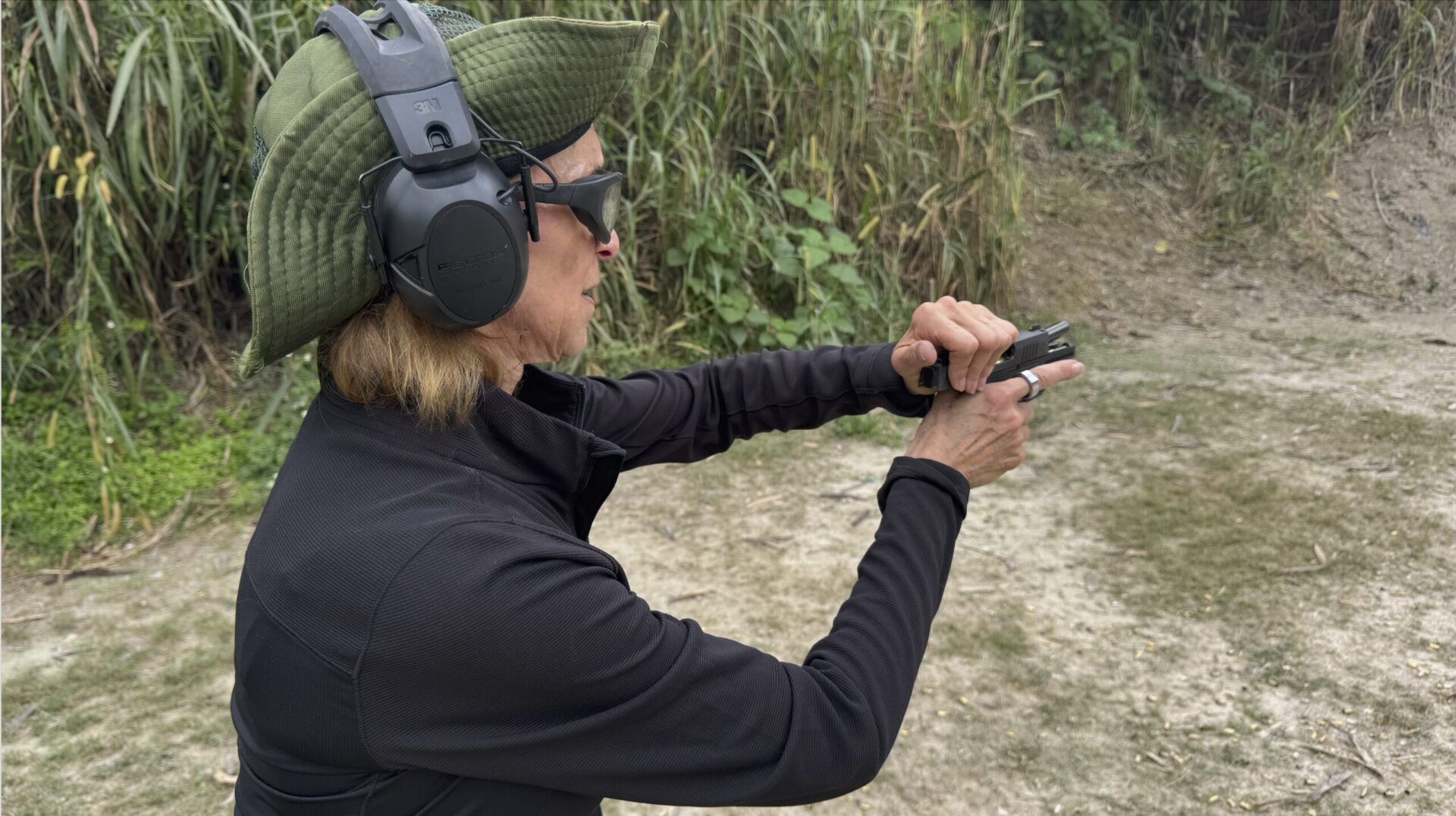
The grip is established once
Grip pressure is assigned by function
Grip pressure remains static
Only the index finger moves
Any change in grip pressure during the trigger press is a failure of the standard.
The Problem of Sympathetic Tension
The human hand is engineered for power, not precision. When force is applied under stress, the hand defaults to a crushing action. In marksmanship, this produces the most common mechanical failure in shooting:
Sympathetic grip clenching, commonly referred to in the firearms industry as “milking the grip.”
When the trigger finger moves, the remaining fingers often contract at the same time due to shared tendons and neural pathways. This movement occurs before ignition, pulling the muzzle out of alignment.
This is not a flinch.
It is not anticipation.
It is a mechanical failure of isolation.
At Tactical U, we solve this by treating the trigger finger as an Independent Machine operating inside a static grip environment.
Grip Pressure: Correct Role Assignment
Grip pressure is divided by function, not comfort.
Support Hand (Control Hand): ~60-80% of Total Grip Pressure
The support hand provides the majority of recoil control and stability. It forms a static 360-degree vice around the frame. Because this hand does not operate the trigger, it can apply high tension without disturbing the sights.
Fire-Control Hand (Trigger Hand): ~20-40% of Total Grip Pressure
The firing hand’s role is precision, not strength. Excess tension here causes sympathetic contraction during the trigger press, pulling the muzzle low and toward the firing-hand side.
Once the grip is established, grip pressure must not change.
Only the index finger moves.
The Anatomy of “Milking the Grip”
When the lower three fingers of the firing hand tighten during the trigger press, the muzzle is mechanically displaced.
Right-handed shooter: Low-left impacts
Left-handed shooter: Low-right impacts
The trigger itself is often moving correctly. The gun moves because the grip collapses dynamically.
This is why telling shooters to “press the trigger smoother” fails.
The error lives outside the trigger finger.
Isolating the Index Finger
1. The Physical Gap
There must be visible daylight between the side of the trigger finger and the frame. Any frame contact introduces lateral force during the press.
The index finger should touch only the trigger face.
2. The Straight-Back Press
The trigger must move on a single linear axis. Too much finger (past the first joint) or too little finger (tip-only) turns the press into an arc, side-loading the trigger and moving the muzzle before the sear breaks.
Diagnostic Training: Exposing the Failure
Isolation is trained through diagnosis, not speed.
Dummy Rounds in the Magazine (Ball-and-Dummy Drill)
Load inert dummy rounds randomly into the magazine during live fire.
If the muzzle dips, jerks, or collapses on a dummy round, the shooter is applying pre-ignition force
This exposes sympathetic grip clenching immediately
The shooter cannot “fake” this drill
This is the most reliable method for diagnosing trigger/grip interaction under realistic conditions.
The Coin Drill (Dry Fire)
Place a coin on the front sight or slide and press the trigger.
If the coin falls, the platform moved
The movement did not come from recoil
It came from the trigger press disturbing the grip
The coin drill isolates cause, not outcome.
The 360-Degree Vice vs. the Independent Finger
A common mistake is relaxing the grip to “feel” the trigger.
This is backwards.
A loose grip allows the gun to move
An over-tight firing hand causes sympathetic tension
The solution is high, static support-hand pressure and reduced firing-hand tension
Once the vice is set, the trigger finger operates like a piston inside a fixed cylinder.
Conclusion: The Mechanical Standard
You cannot wish for a trigger to move correctly.
You must create a mechanical environment where it cannot move incorrectly.
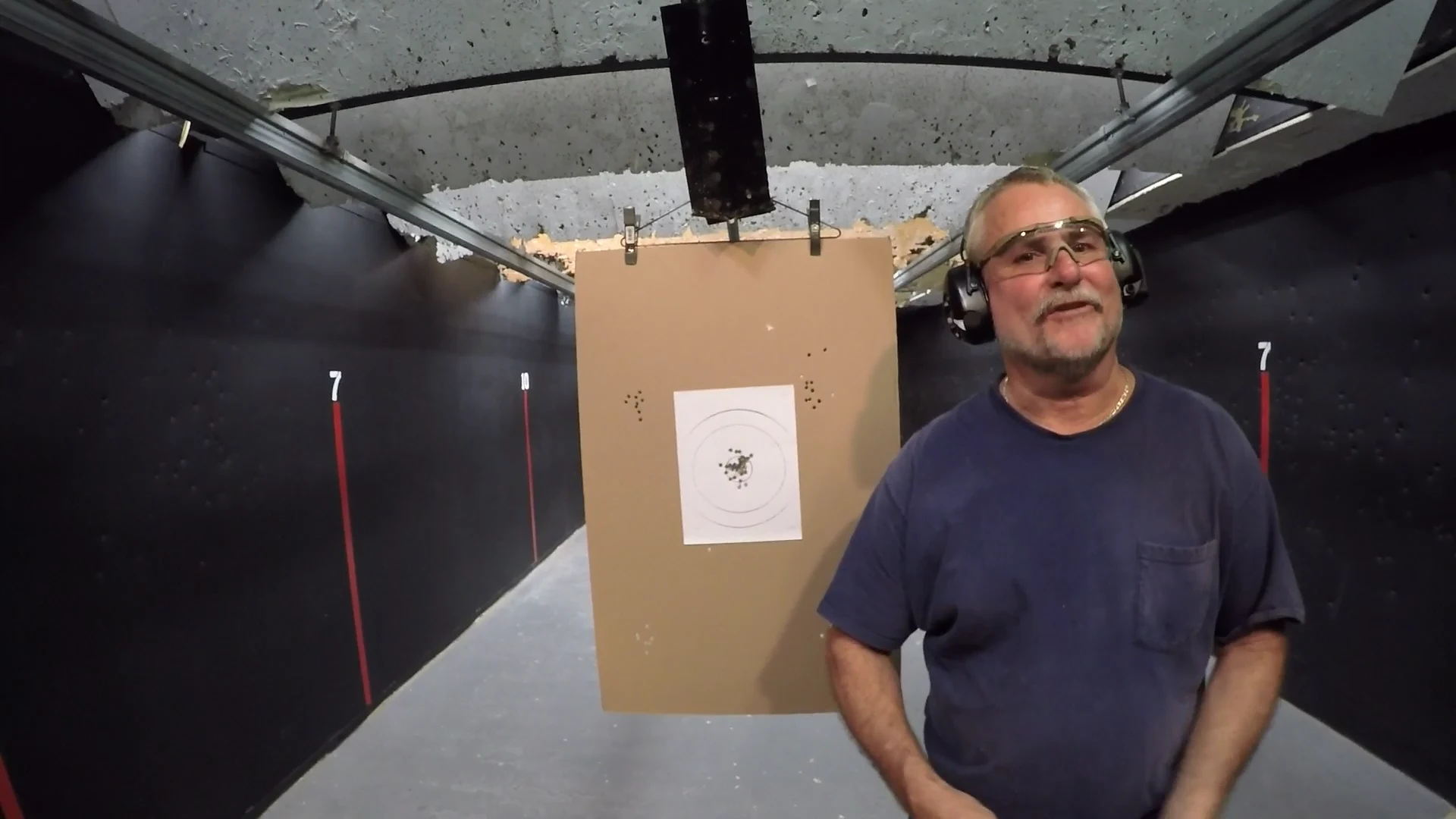
When the grip is static and the index finger is isolated, inconsistency disappears. Groups tighten. Diagnostics become predictable. Misses become explainable.
This is not talent.
It is engineering.
Train This Skill With Tactical U
Turn the idea from this article into coached reps with Tactical U.