
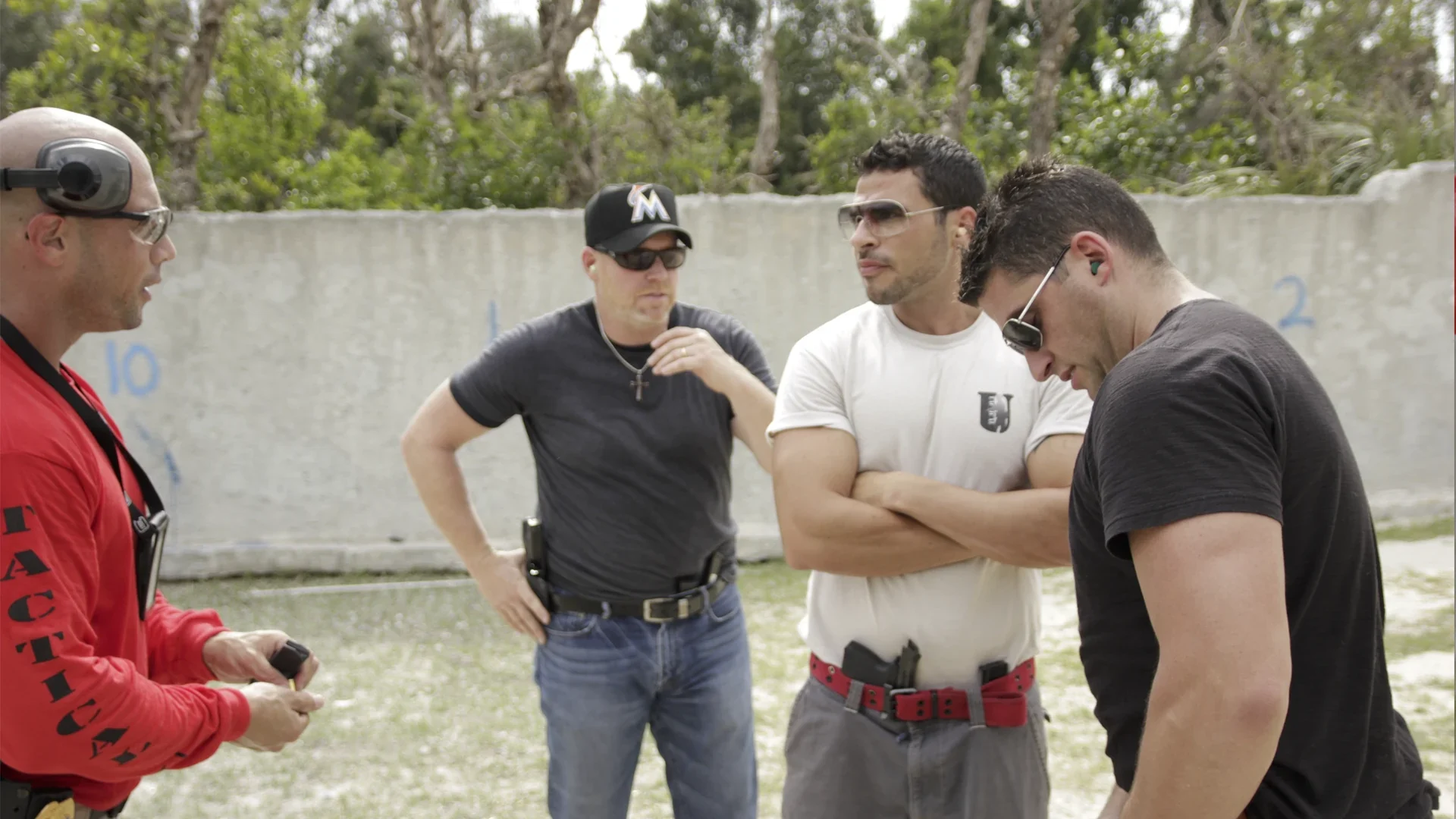
Tell the instructor what you want to learn before you book a tactical shooting class. Explain what you can already do safely, including anything you haven’t tried. Someone choosing a first handgun lesson needs a different starting point from a rifle student or an experienced shooter looking for supervised decision practice.
Tactical U serves students across Miami-Dade, Broward, and Palm Beach counties. This guide explains how to choose a suitable class, what instruction can involve, and what to confirm before you arrive. If you’re unsure where to begin, schedule a call with Stephen L. Cohen and describe your experience plainly. You don’t need to sound more experienced than you are.
What Are Tactical Shooting Classes and Why Are They Important?
“Tactical shooting” can describe several kinds of firearms training. Read the course description to find out what you’ll actually practice. A coached session should explain the task, demonstrate it, and give you a chance to try it with feedback. You should leave knowing what needs more work.
If you’re a beginner, start with safe handling and basic marksmanship. Later courses can build on that foundation, with prerequisites that help the instructor judge whether you’re ready. The course name alone won’t tell you where to start.
Start with the training goal
- Handgun handling and shooting: ask about private handgun training if you need individual attention or are new to firearms.
- Rifle handling and marksmanship: review Tactical Rifle Fundamentals. Rifle instruction is its own discipline.
- Concealed-carry qualification: use the South Florida concealed-carry class guide. A qualification class and advanced defensive instruction have different purposes.
- Defensive pistol progression: read the Gunfighting 101 course information and confirm that your current skills meet its requirements.
How Does Tactical Training Improve Firearms Proficiency?
Good coaching makes the next attempt useful. An instructor can watch your grip, sight use, trigger control, and response to directions, then explain a specific correction. Ask for another explanation if you don’t understand what to change. A target is more useful when you know how you produced it.
The pace has to leave room for that process. Shooting more rounds doesn’t automatically resolve a handling problem. Ask what feedback you’ll receive and how much individual attention the format allows. Discuss useful practice for afterward. Our firearm fundamentals guide explains the basic skills that support later training.
Why Is Real-World Scenario Training Essential in Tactical Classes?
Scenario training lets you work through questions a target cannot answer, including whether to act at all. The instructor can review what you noticed, what you communicated, and how your decision changed as the exercise developed. That review is part of the learning.
It’s a separate stage of training, and you shouldn’t expect it in every firearms class. Tactical U’s interactive force-on-force training is for students with an established handling foundation. It uses non-lethal training weapons. Its prerequisites matter. Tell the instructor what training you have completed before booking.
Low-light, vehicle, and precision-rifle courses have separate objectives and equipment requirements. Read the information for the course you’re considering. If your purpose is concealed-carry qualification, follow that specific course route.
What Happens in the Classroom Instruction Portion?
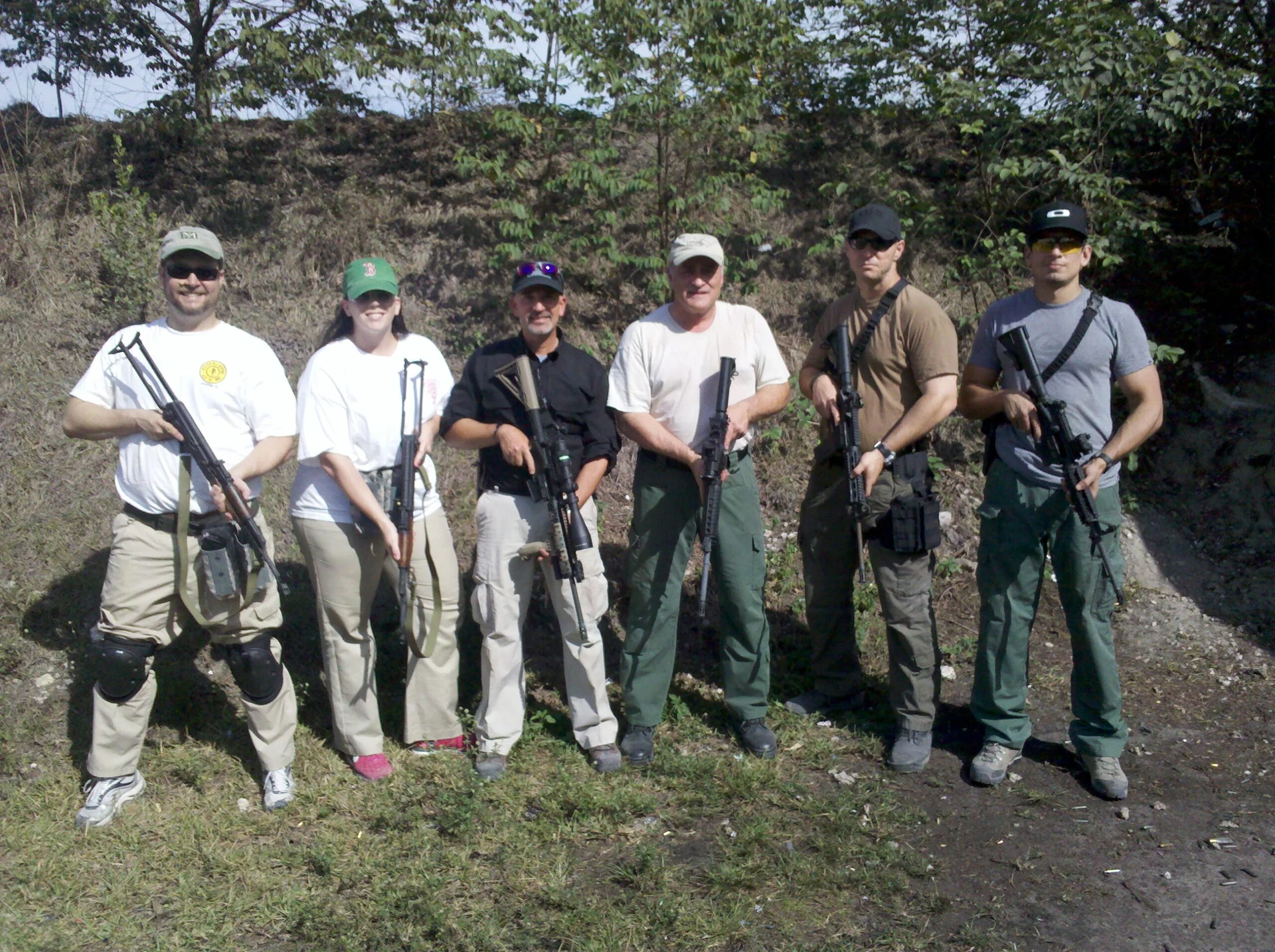
Expect an explanation of the session’s purpose, safety rules, and equipment before live fire. Classroom time varies by course; some teaching happens beside the range. You need to understand the instructions wherever they are given.
If you’re new, ask about the firearm’s controls and the range commands before handling equipment. Tell the instructor whenever an instruction is unclear. Review Tactical U’s firearm safety guidance as preparation, then follow the instructions for your booked session.
Legal instruction also needs a defined scope. If your goal is a Florida concealed weapon or firearm license, check the current FDACS concealed weapon license information and Florida Statutes section 790.06. FDACS issues the license. Completing a Tactical U course does not itself issue a license. Do not assume a general tactical-shooting class meets a particular licensing requirement.
For the class process itself, read what to expect in a Florida concealed-carry class. Questions about your individual legal circumstances belong with a qualified attorney.
What Are the Key Live-Fire Range Drills and Practical Exercises?
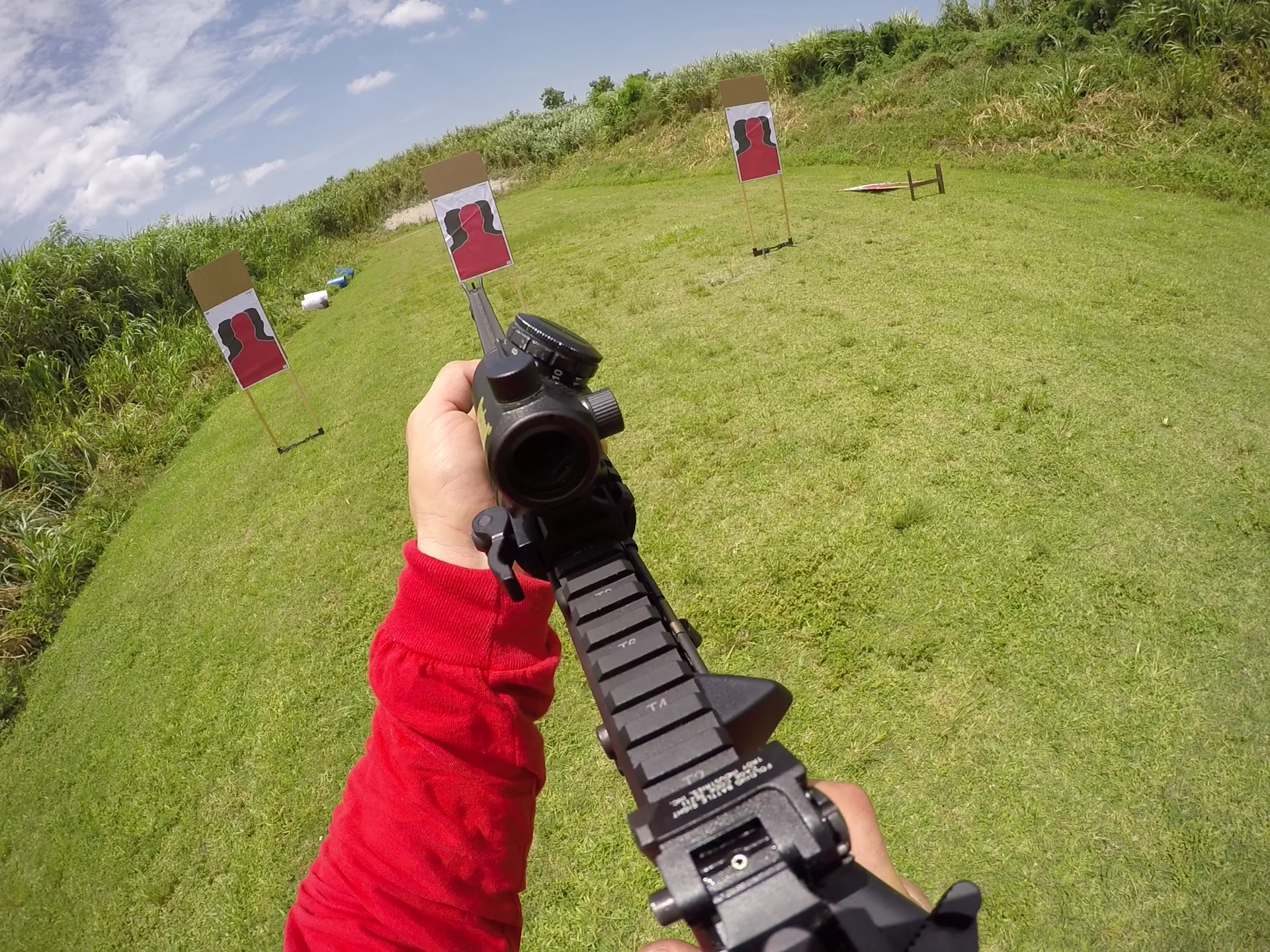
The exercises should follow the course you booked and your demonstrated ability. Foundational instruction can concentrate on safe handling and repeatable accuracy. An advanced syllabus may add equipment management, movement, or a changing problem. Those tasks require a suitable foundation first.
Before booking, ask which of these areas the class actually covers:
- Basic shooting mechanics: grip, stance, sight use, and trigger control, with a chance to receive correction and try again.
- Firearm operation: supervised handling appropriate to your equipment and the session’s level.
- Reloads and malfunctions: whether these are part of the selected syllabus and what prior experience is expected.
- Movement or decision exercises: whether they are included, what prerequisites apply, and how the instructor controls the session.
This is a list of questions to ask, rather than a package every class includes. Confirm the exact course description and equipment list. Don’t try to recreate advanced drills on your own from a photograph or a short article.
How Do Instructor Qualifications Enhance Your Training Experience?
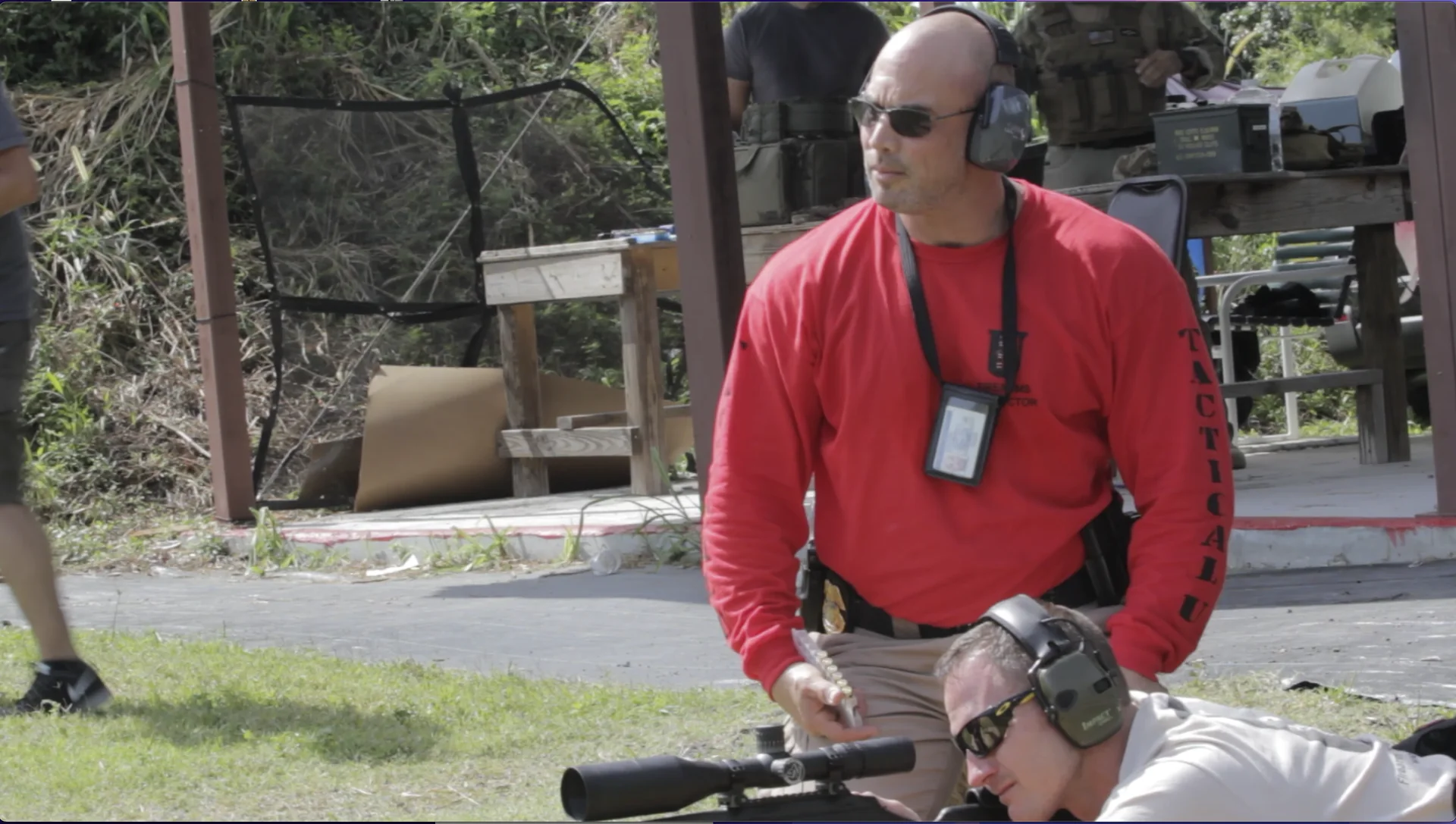
You should know who is teaching you and why their background fits the subject. Stephen L. Cohen founded Tactical U and has more than 32 years of operational law-enforcement firearms experience. His background includes SWAT work and NRA Law Enforcement firearms instruction. The Stephen L. Cohen credentials page gives the details, and the instructor directory identifies Tactical U’s teaching team.
Credentials are a starting point for that conversation. Ask who will teach your particular session, how the course is matched to your experience, and how you’ll receive feedback. An impressive résumé is useful when the instructor can turn it into a clear explanation and a correction you understand.
How Does Tactical U Ensure Safety and Professionalism in All Classes?
Safe training depends on clear instructions and students following them. Before live fire, you need to understand the range commands, where equipment may be handled, what protective equipment is required, and how to ask for help. If something is unclear, stop and ask the instructor.
Be straightforward about your experience and any equipment problem. Tell Tactical U about an accommodation you may need before the session. The instructor can discuss whether the format is suitable. Review the training waiver and the course requirements before you commit. Training does not eliminate risk. A course description cannot guarantee how you will respond in an emergency.
How Should I Prepare Mentally and Physically Before Class?
Arrive ready to listen, ask questions, and take correction. You don’t need to prove yourself by keeping quiet about something you haven’t done before. It helps the instructor to know where you need more explanation.
Confirm these details before leaving home:
- The exact range, arrival time, and contact instructions for your booking.
- The course’s firearm and ammunition requirements. Confirm eye and hearing protection, clothing, and other gear too.
- Any prerequisites, documents, or advance reading requested by Tactical U.
- Any physical limitation or accommodation that could affect participation.
Plan for the conditions at your confirmed venue. Bring water and weather-appropriate clothing for outdoor training. Ask about the physical demands. Sessions can involve different activities. Rest and make a practical plan for the day. Last-minute videos are not a way to learn advanced techniques.
Can I Use Provided Firearms or Do I Need My Own?
Confirm equipment arrangements with Tactical U before booking. Say whether you own a firearm, what you intend to bring, and whether you need to arrange a rental or other equipment. Availability and what is included depend on the selected course and the confirmed arrangement.
Don’t assume firearms, ammunition, or protective equipment are free of charge. Ask for the course’s current equipment list and any additional costs. If you’re buying your first firearm, say that as well; it changes the conversation about where to start.
Don’t Just Search, Train Where It Counts
When you search for “tactical shooting classes near me,” proximity is only part of the decision. Check the course level, the person teaching it, the actual venue, and whether its purpose matches yours. A nearby class is useful when it gives you the instruction you need.
Tactical U’s training venues include indoor training in Fort Lauderdale and outdoor training in Homestead. Service in Miami-Dade, Broward, and Palm Beach does not mean every course runs at a range in every city. Use the South Florida course directory to review the options, then confirm the venue and date for the class you choose.
If you already have a sound foundation, consider the next stage. The advanced firearms training guide explains that progression. You can also view Tactical U’s Google listing for business information. Follow your booking instructions for the actual training location.
Frequently Asked Questions
Are There Age Restrictions for Participants in Tactical Classes?
Before booking, ask Tactical U to confirm eligibility for the specific student and course. This is especially important for a student younger than 18. Course admission, firearm possession, and eligibility for a concealed weapon license are separate questions. Do not assume that a parent’s presence makes every class or activity available.
What Happens If I Need to Cancel My Registration?
Read Tactical U’s current Refund and Rescheduling Policy and the terms confirmed for your booking. If your plans change, contact training@tacticalu.com promptly with your booking details. The published policy explains the options and conditions that apply.
Are There Any Discounts Available for Group Registrations?
Contact Tactical U for a proposal based on your group’s size, experience, goals, and requested training. Confirm the price and what is included before booking. A group request does not automatically qualify for a discount.
Is a tactical shooting class the same as a concealed-carry class?
No. A course can teach handgun, rifle, or defensive skills. That does not make it a concealed-carry qualification. If you want a Florida concealed weapon or firearm license, choose the appropriate qualifying course. Check current FDACS requirements.
Can a beginner take a tactical shooting class?
Start by telling the instructor what experience you have. A beginner may need safe-handling and marksmanship instruction before an advanced course. Tactical U can discuss a suitable starting point; do not assume every tactical course accepts brand-new shooters.
Where does Tactical U conduct training in South Florida?
Tactical U’s venues include indoor training in Fort Lauderdale and outdoor training in Homestead. Students come from Miami-Dade, Broward, and Palm Beach counties. Confirm the exact venue, date, and arrival instructions for the course you book.
Train This Skill With Tactical U
Tell Stephen what you want to work on, the training you’ve completed, and the equipment you have. If Gunfighting 101 is the next step you’re considering, read its requirements before booking. If you need help choosing, start with a call.