Rifle marksmanship fundamentals are usually treated as beginner material, something you learn early and outgrow. That framing is wrong and it gets people hurt. The fundamentals are the seven inputs that decide whether your rifle performance survives pressure, distance, uncertainty and consequence. There is no stage of shooting where they stop mattering.
This article names all seven, explains what each one does, shows where each one breaks first when stress arrives, and gives you a way to check each one at home without firing a round.
The Seven Rifle Marksmanship Fundamentals
The fundamentals are not tips, techniques or preferences. They are the repeatable human inputs that govern where the bullet goes, whether you pay attention to them or not. In the order they happen on every shot:
- Stance
- Mount
- Sight alignment
- Sight picture
- Breathing
- Trigger control
- Follow-through
When all seven are stable, performance is predictable. When one degrades, the outcome degrades. When two or three collapse together, the shot is gone before the trigger breaks. Every miss you will ever fire traces back to one of these seven.
1. Stance
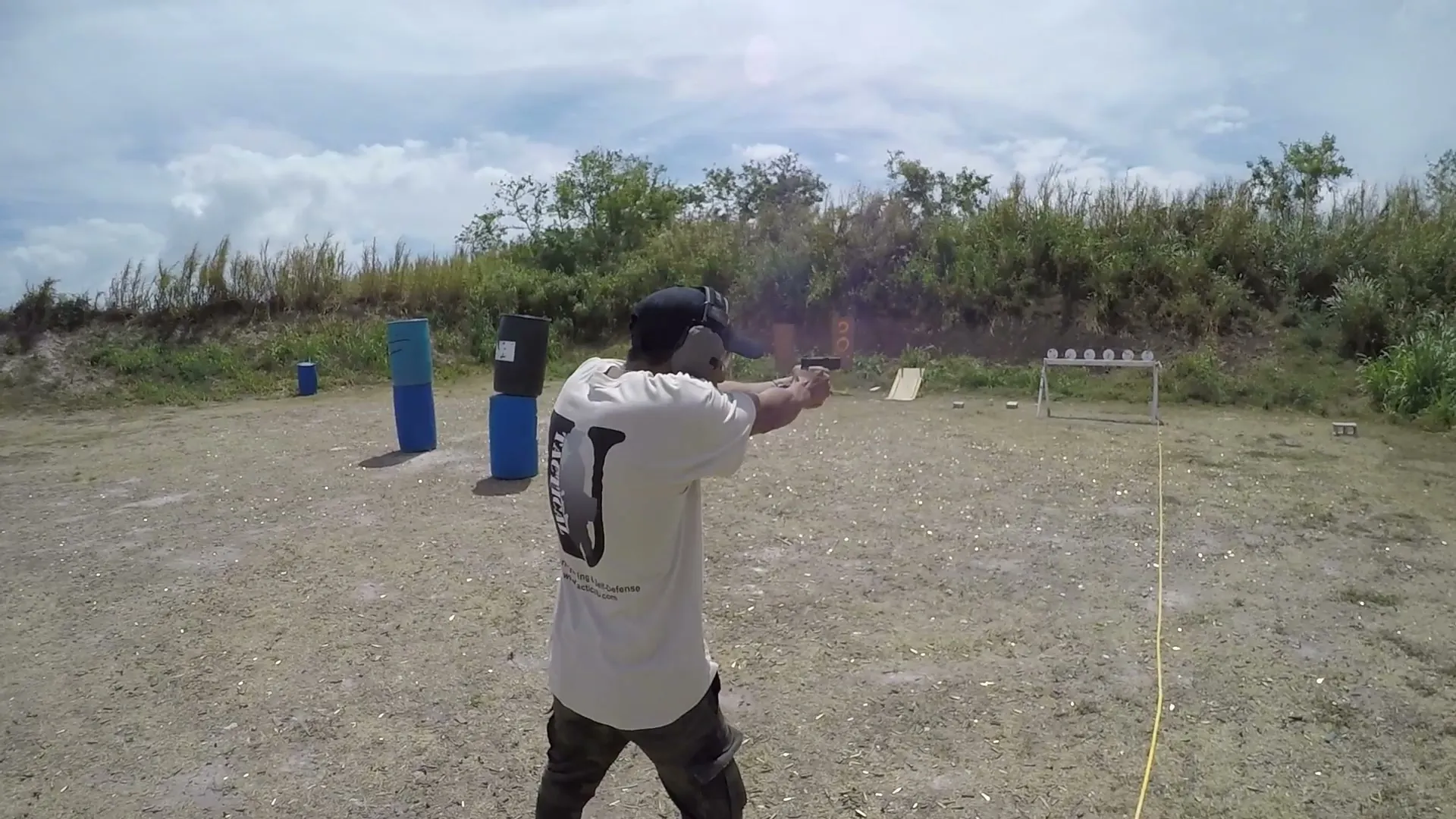
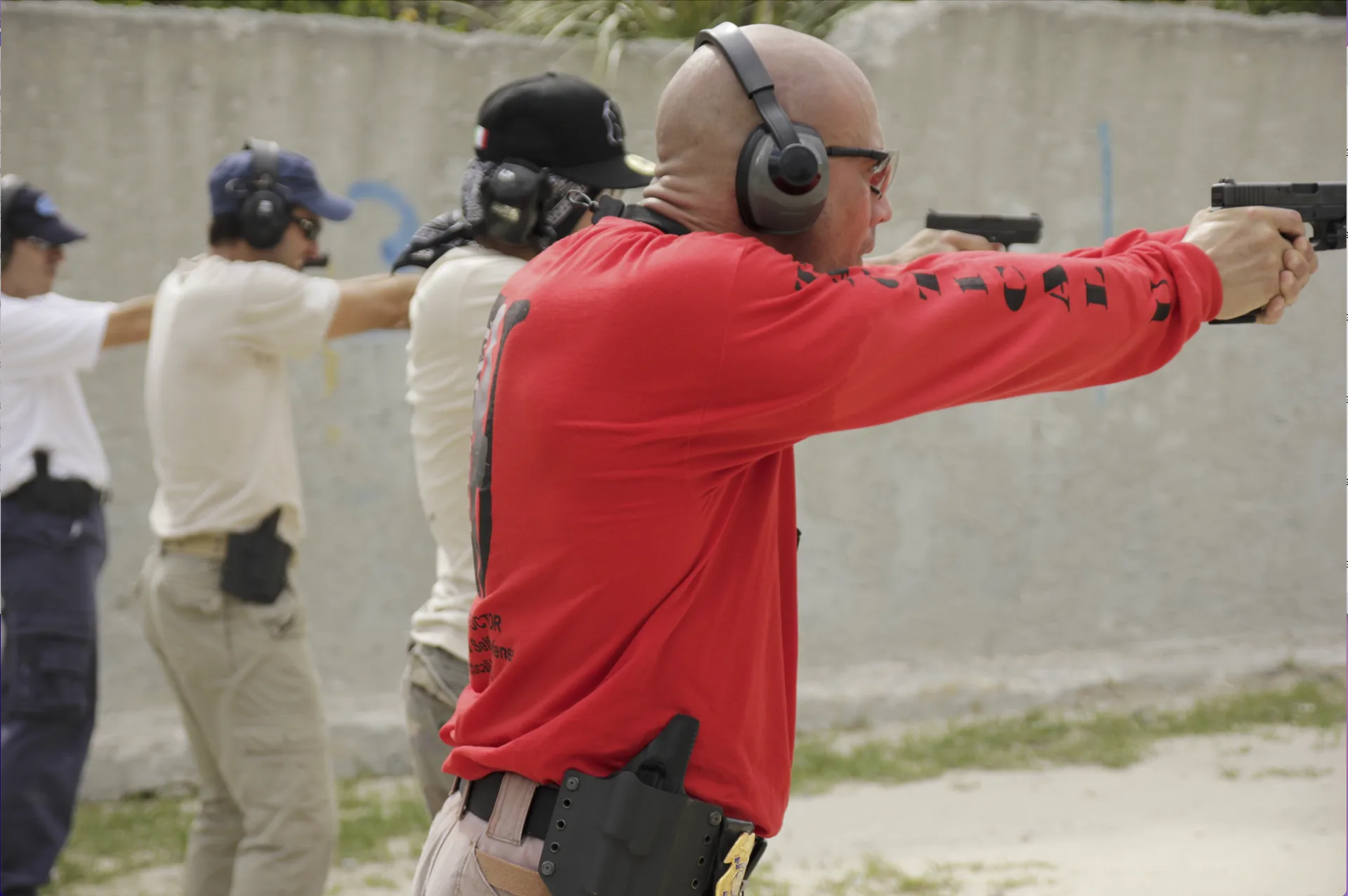
What it is. Stance is the platform everything else rests on: feet roughly shoulder width, weight slightly forward over the balls of the feet, knees unlocked, hips and shoulders squared toward the target. The rifle recoils into a body that is already leaning into it, so the sights return to the same place.
Where it breaks under stress. Stance is the first thing to go when people move or when time pressure arrives. Weight rocks back onto the heels, the body straightens up, and recoil now pushes the shooter backward and the muzzle up. The second shot lands high and the third lands somewhere else. Shooters almost never feel this happen. They feel the gun “kicking more” and blame the rifle.
Check it. Dry, with an empty and verified rifle, take your stance and have someone push lightly on the muzzle. If you step back or stiffen, your weight is wrong. You should absorb the push through the front leg without moving your feet.
2. Mount
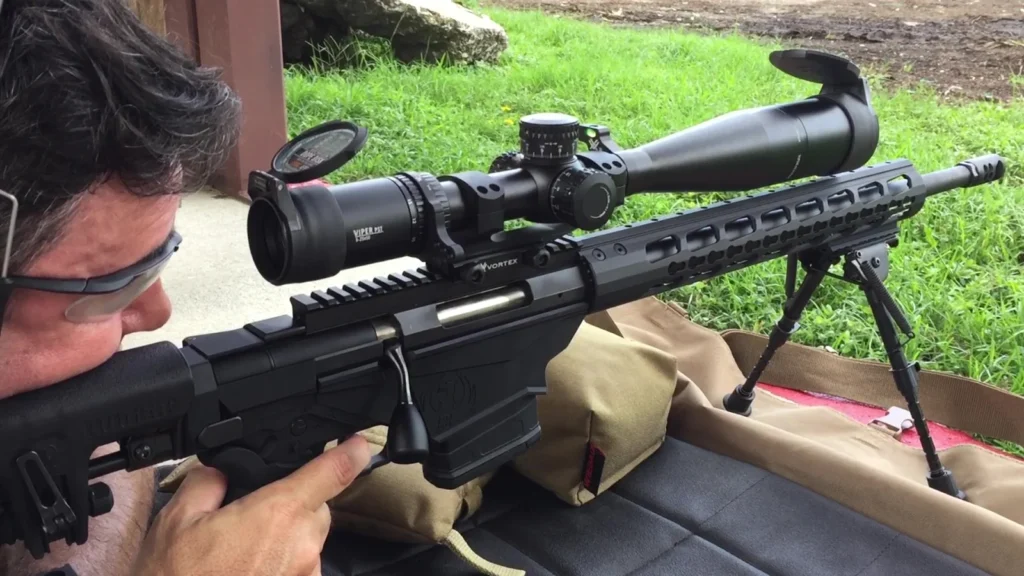
What it is. Mount is how the rifle meets the body: the stock seated firmly in the pocket of the shoulder, the cheek resting on the same point of the stock every time, the support hand placed where it controls the rifle rather than just holding it up. A good mount puts your eye behind the optic at the right height and distance before you think about it.
Where it breaks under stress. Under a clock the stock floats off the shoulder, the head comes up off the stock to “see better,” and eye relief changes from shot to shot. With a red dot this shows up as the dot wandering around the window. With a scope it shows up as shadow in the eyepiece, which means your eye is no longer centered and the point of impact has moved even though the crosshair looks fine.
Check it. Close your eyes, mount the rifle, open your eyes. If the dot or the full scope picture is not already there, your mount is not repeatable. Fix the cheek weld and the stock position until it is, then do it twenty times.
3. Sight Alignment
What it is. Sight alignment is the relationship between your eye and the sighting system. With iron sights, the front post centered in the rear aperture. With a red dot, the dot anywhere in a window you are looking through squarely. With a magnified scope, a full, shadow-free picture with the reticle centered.
Where it breaks under stress. Alignment errors are small and they grow with distance. A front post slightly off center in the rear sight is invisible at 25 yards and a miss at 200. Scope shadow at 100 yards costs a few inches. At 400 it costs the target. Stress makes shooters accept a “close enough” picture because the full one takes a fraction of a second longer.
Check it. At home, mount on a small aiming mark across the room and deliberately move your head a quarter inch in each direction. Learn what shadow and off-center look like so you recognize them on the range instead of guessing.
4. Sight Picture
What it is. Sight picture is the aligned sights placed on the target. Alignment is sights to eye. Picture is sights to target. They are two different things and shooters confuse them constantly. The eye can focus on only one plane: with irons that is the front sight, not the target. With a red dot it is the target with the dot superimposed. With a scope both are in the same focal plane if the diopter is set correctly for your eye.
Where it breaks under stress. This is where visual discipline dies. As consequence increases, shooters stop managing the sights and start chasing confirmation on the target. They look over the gun, look at where they want the hit to be, and press the trigger on a picture that was never complete. The classic sign is a shooter who can describe exactly where the target was and cannot tell you where the sights were.
Check it. After each dry shot, say out loud where the sights were when the trigger broke. If you cannot answer, you were looking at the target.
5. Breathing
What it is. Every breath moves the chest, which moves the rifle. For a precise shot you press the trigger during the natural pause at the bottom of a normal exhale, when the body is still and oxygenated. You have a few seconds in that pause before the body wants air and the sights start to swim.
Where it breaks under stress. Stress shortens and raises breathing. Shooters either hold their breath too long and press on a sight picture that is dancing from oxygen debt, or they press mid-breath and the shot goes high or low with the chest. At speed on close targets breathing matters less. At distance it decides the hit.
Check it. Dry, on a small mark, watch the reticle rise and fall with your breath. Press only at the bottom. If you catch yourself holding your breath at the top of an inhale, start over.
6. Trigger Control
What it is. Trigger control is pressing the trigger straight to the rear without disturbing the sights, and letting the break surprise you within the window you chose. Finger placed consistently on the pad, pressure building smoothly, no slap and no jerk.
Where it breaks under stress. Timing shifts. Under pressure the press either rushes ahead of the sight picture or lags behind it, and the shooter rarely knows which until the group opens up. The miss is usually low and to the support side for a right-handed shooter, because the hand clenches the whole rifle as the finger moves. Shooters then “fix” it by trying harder, which makes the clench worse.
Check it. Balance a coin on the barrel or handguard and press dry. If it falls, the press is moving the gun. This is the single most useful dry drill a rifle shooter can do and most never do it.
7. Follow-Through
What it is. Follow-through is holding every input in place through recoil and recovery: finger stays on the trigger to the rear, eye stays on the sights, cheek stays on the stock, the rifle returns to the target and you see the sights again before you do anything else. The shot is not over when the trigger breaks. It is over when you have the next sight picture.
Where it breaks under stress. This is the one everyone drops first. The shooter lifts the head to see the hit, the trigger finger comes off the trigger with the gun still moving, the muzzle comes down and the next shot starts from scratch. On a timer this costs tenths of a second per shot. At distance it costs the hit, because the shooter was already leaving the gun as the bullet left the barrel.
Check it. Dry, after the trigger breaks, hold everything for a slow two count and call the shot before moving. If you want to look at the target, that is the signal you were about to lift your head on a live round.
Why the Seven Fail Together
Most shooters can show acceptable fundamentals in controlled conditions. Static positions, known distances and low consequence hide instability. Pressure takes that cover away.
The seven are linked. A stance that rocks back changes the mount. A mount that floats changes sight alignment. A rushed sight picture pulls the trigger press early. An early press kills follow-through. One failure at the top of the chain shows up as several failures at the bottom, which is why shooters diagnose the wrong one. They feel the trigger jerk and work on trigger control for a month when the real fault was their feet.
Distance, time and stress do not create new problems. They reveal which of the seven was never stable.
Fundamentals Are Diagnostic Tools, Not a Checklist
In a disciplined training environment the fundamentals are not taught once and set aside. They are the questions you ask when performance breaks. Not “what trick fixes this?” but “which of the seven failed, and why?”
A fundamental that only works when conditions are perfect is not a fundamental. It is a preference. The job of training is to find out which of your seven are preferences before a real consequence finds out for you.
How This Connects to Rifle Marksmanship Training
The seven fundamentals do not replace rifle marksmanship training. They are what it evaluates. Structured training puts each input under friction, watches which one fails, and corrects it before it surfaces when it matters. For the part of that story that happens past 100 yards, read why most shooters fail beyond 100 yards.
Legal and Geographic Context
The fundamentals are where responsibility begins. When inputs fail, outcomes fail, and accountability follows the shooter, not the explanation. In civilian contexts there is no separation between a technical error and personal responsibility for the result.
This material addresses training methodology and performance diagnosis only. It does not provide legal advice or guidance on the use of force. Firearms laws, self-defense standards and post-incident liability vary by jurisdiction and circumstance. Consult a licensed attorney familiar with firearms and self-defense law for legal interpretation or advice.
Tactical U sets its evaluation standards and instructional doctrine from Fort Lauderdale. All live-fire rifle training happens at our Homestead training facility, where these seven inputs are stress-tested under conditions that expose instability. We serve serious civilian shooters and professionals throughout Miami-Dade, Broward and Palm Beach counties.
Who This Is For
- Shooters who want repeatable performance instead of occasional good groups
- Professionals refining consistency under pressure
- Civilians moving past casual range practice
- Anyone willing to diagnose their own failures honestly
Who This Is Not For
- Shortcut seekers
- Drill collectors
- Equipment-first problem solvers
- Anyone who still believes fundamentals are beginner material
Training Path
You cannot validate the seven fundamentals alone. They have to be pressure-tested, disrupted and evaluated by someone who can see which one broke. Start with rifle training in Miami and Fort Lauderdale, or see all rifle and firearms training programs.
About the Instructor
Stephen L. Cohen is the Founder and Lead Instructor of Tactical U Firearms Training. He has over three decades of experience training law enforcement, military personnel, security professionals and responsible armed civilians, with an instructional focus on weapon handling, decision-making under stress, articulation and accountability under real-world conditions.
Continue Reading
Concealment Is an Obstacle, Not a Suggestion.
Train This Skill With Tactical U
Turn the idea from this article into coached reps with Tactical U.
Once the seven are stable, the next step is distance. See private precision scoped rifle training, where the same seven inputs are tested from 100 to 500 yards.