Context Summary
Rifle marksmanship training is not about distance, speed, or equipment. It is about producing repeatable, defensible outcomes when conditions remove forgiveness. This guide defines what rifle marksmanship actually is, how competence is evaluated, and why most shooters misunderstand both.
Tactical U approaches rifle marksmanship as a performance system, not a shooting hobby.
What Rifle Marksmanship Actually Means
Rifle marksmanship is the disciplined ability to place rounds deliberately, predictably, and accountably while managing human limitations, mechanical systems, and environmental friction.
It is not:
- a style
- a gear category
- a distance threshold
- a fantasy label
Marksmanship exists only if it functions when conditions degrade.
Common Misconceptions
Accuracy equals marksmanship
Accuracy without control, recovery, and accountability is cosmetic.
Distance defines skill
Distance exposes fundamentals. It does not create them.
Gear compensates for deficiencies
Equipment amplifies input. It does not fix it.
Marksmanship is static
Marksmanship is a system that must activate under stress and friction.
The Tactical U Stance on Rifle Marksmanship

The Tactical U Standard evaluates rifle marksmanship by performance under friction and fire, not appearance under ideal conditions.
We assess whether the shooter can:
-
Access the rifle and system under stress
-
Maintain mechanical control through disruption
-
Diagnose and correct failures
-
Produce outcomes that are defensible and repeatable
Marksmanship that collapses when conditions change does not exist.
Core Components of Rifle Marksmanship Training
This guide defines the system. It does not teach procedures.
Rifle marksmanship training must account for:
-
Mechanical consistency
-
Visual processing and information management
-
Trigger control under consequence
-
Environmental interaction
-
Recovery after error or disruption
-
Accountability for every round fired
Distance, speed, and context are variables applied to these fundamentals.
Distance and Marksmanship

Distance does not create skill. It removes forgiveness.
As distance increases:
-
Errors compound
-
Input becomes visible
-
Assumptions fail
-
Cognitive load increases
Distance is a diagnostic tool, not a credential.
Precision, Tactical Context, and Reality
Precision rifle shooting and tactical rifle application are not interchangeable.
Precision emphasizes:
-
Known variables
-
Controlled conditions
-
Predictable environments
Tactical rifle application introduces:
-
Time pressure
-
Movement
-
Uncertainty
-
Legal and moral consequence
Marksmanship must survive both.
Who This Is For
This guide applies to:
-
Serious civilian shooters
-
Professionals seeking structured competence
-
Shooters transitioning from casual practice to accountable training
-
Individuals who understand that consequences extend beyond the range
Who This Is Not For
This guide is not written for:
-
Thrill seekers
-
Gear collectors seeking validation
-
Social media performers
-
Anyone searching for fantasy labels or titles
Legal Boundary Reminder

Rifle marksmanship training does not exist in a legal vacuum. Every round fired carries legal, moral, and civil consequences.
This content is for educational and training purposes only. It does not constitute legal advice. Firearms laws and use-of-force standards vary by jurisdiction. Consult a licensed attorney familiar with firearms and self-defense law in your state.
Geographic Service Context
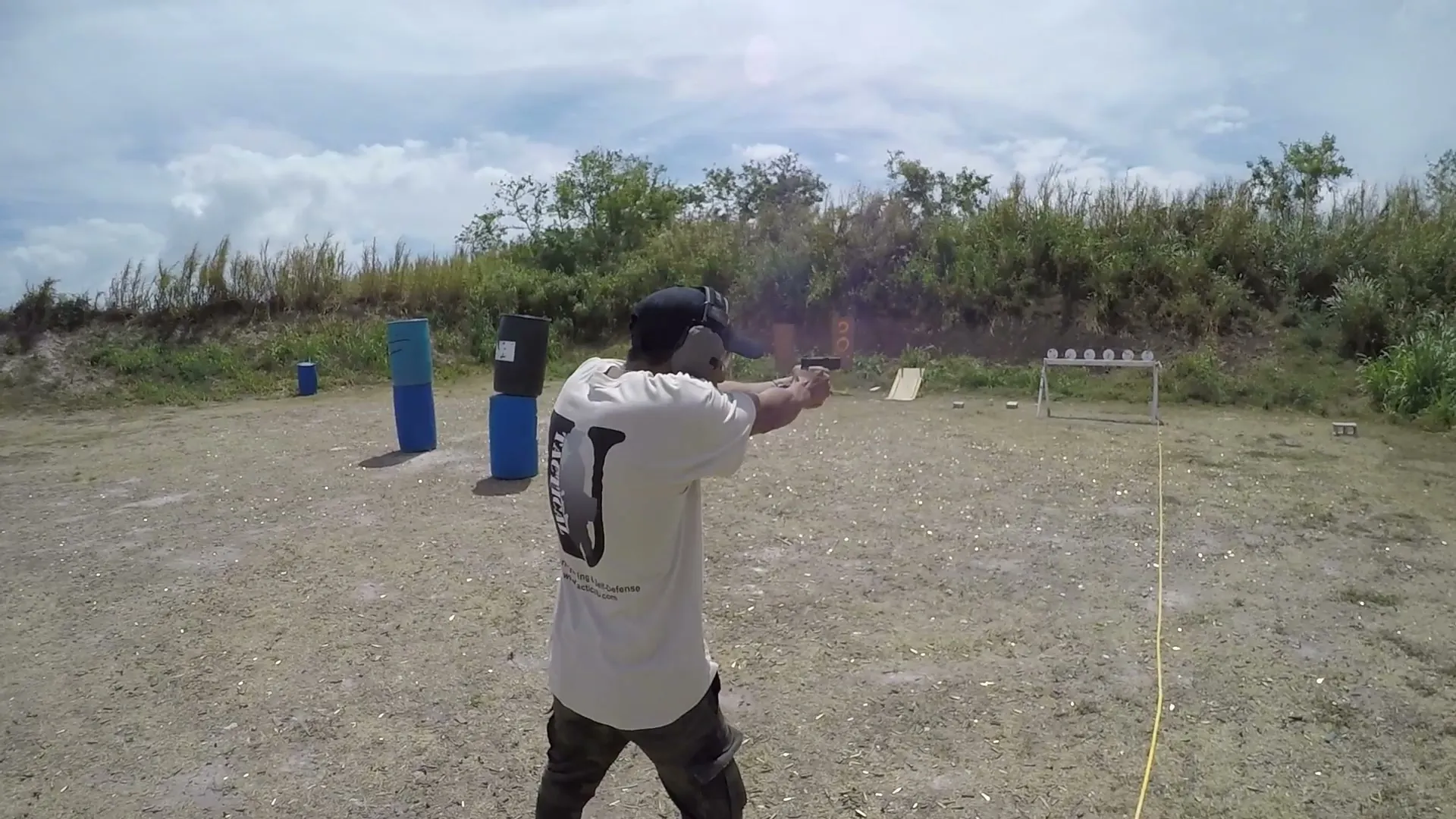
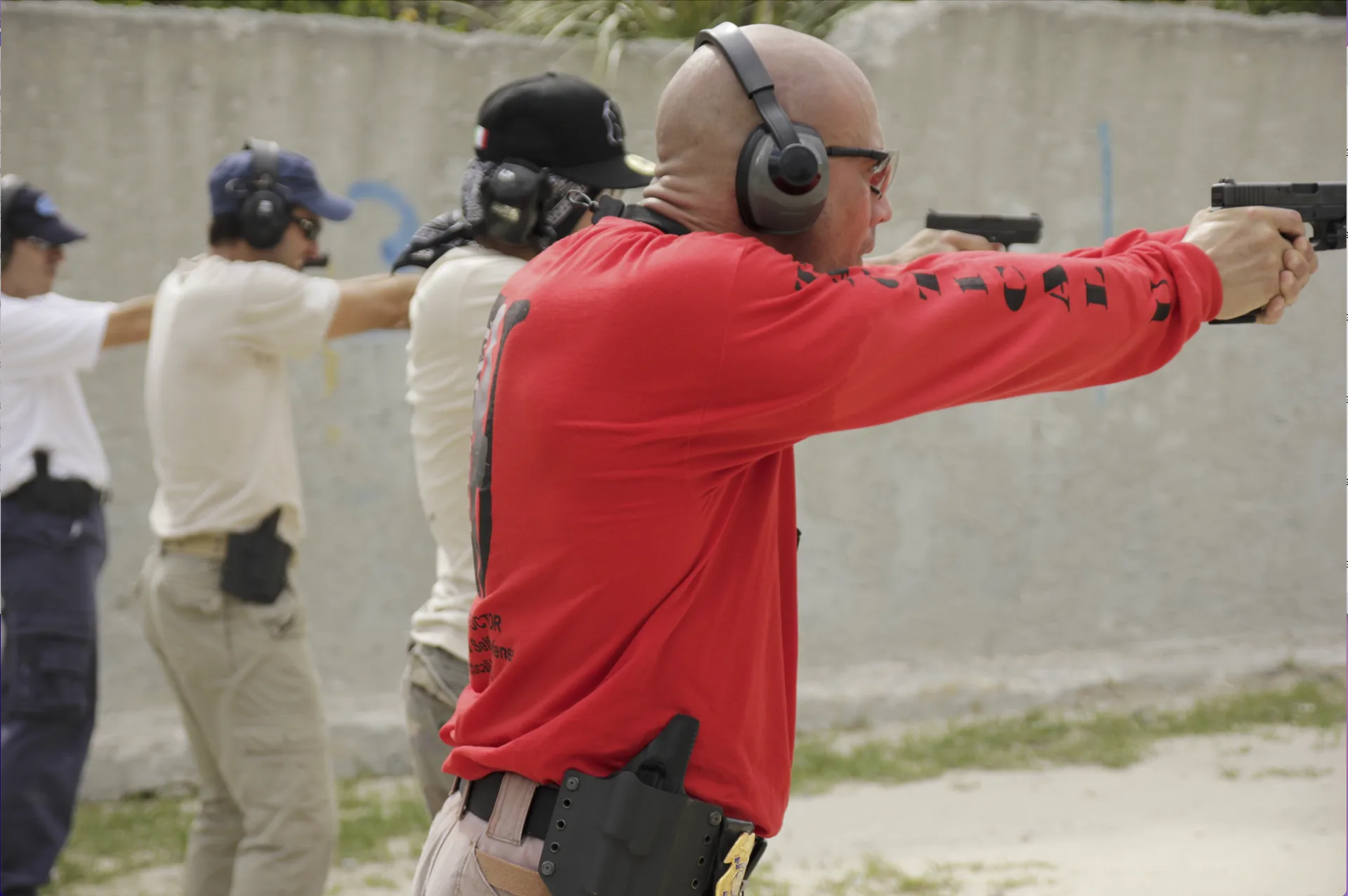
Tactical U provides rifle marksmanship training in South Florida, with live-fire instruction conducted at our Homestead-based training facility. We serve students from Miami-Dade County, Broward County, and Palm Beach County.
Tactical U is not a shooting range. We are a training organization focused on structured instruction, evaluation, and accountability.
Key Takeaways
Rifle marksmanship training emphasizes:
-
Function under friction
-
Mechanical consistency
-
Cognitive control under stress
-
Recovery after failure
-
Accountability for outcomes
Distance is a variable, not an identity.
Equipment supports performance but does not replace competence.
Training Path
Rifle marksmanship cannot be learned from reading alone. Structured, supervised training is required to validate performance and correct failure points.
Explore available rifle and firearms training programs here:
Firearm Classes in Miami & South Florida
About the Instructor

Stephen L. Cohen is the Founder and Lead Instructor of Tactical U Firearms Training.
He has over three decades of experience training law enforcement, military personnel, security professionals, and responsible armed civilians, with an instructional focus on weapon handling, decision-making under stress, articulation, and accountability under real-world conditions.
Train This Skill With Tactical U
Turn the idea from this article into coached reps with Tactical U.