Understanding when should a firearm be unloaded is one of the most important aspects of safe gun ownership. Whether you are new to firearms or have years of experience, knowing when to unload,and how to handle that process safely,can prevent accidents and reinforce responsible habits.
In Miami and across South Florida, firearm safety is especially important in busy environments where awareness matters. Training programs like those offered by Tactical U emphasize safe handling practices, including when and how to unload a firearm in real-world situations. These habits are not optional,they are essential for anyone who owns or handles a firearm.
So, when exactly should a firearm be unloaded? Let’s break it down clearly.
Always Unload a Firearm Before Leaving the Range
One of the most critical rules is simple: always unload a firearm before leaving the shooting range. Before stepping away from your lane, you should:
- Remove the magazine
- Lock the slide or open the action
- Visually and physically check the chamber
This ensures that the firearm is completely clear before transport. Range officers in Miami strictly enforce this practice to prevent accidental discharge outside the firing line.
Even if you believe your firearm is already unloaded, you should always verify it yourself. This habit builds consistency and reduces risk.
When Should You Unload Your Firearm at Home?
Another common question is when you should unload your firearm in a home environment. In most cases, firearms should be unloaded when they are not in active use or being prepared for lawful carry.
Situations where unloading is essential include:
- Before cleaning or maintenance
- Before placing the firearm in storage
- When transferring the firearm to another person
Safe storage is especially important in households with children or visitors. Keeping firearms unloaded, combined with proper storage methods, significantly reduces the risk of unauthorized access.
When Handling or Inspecting a Firearm
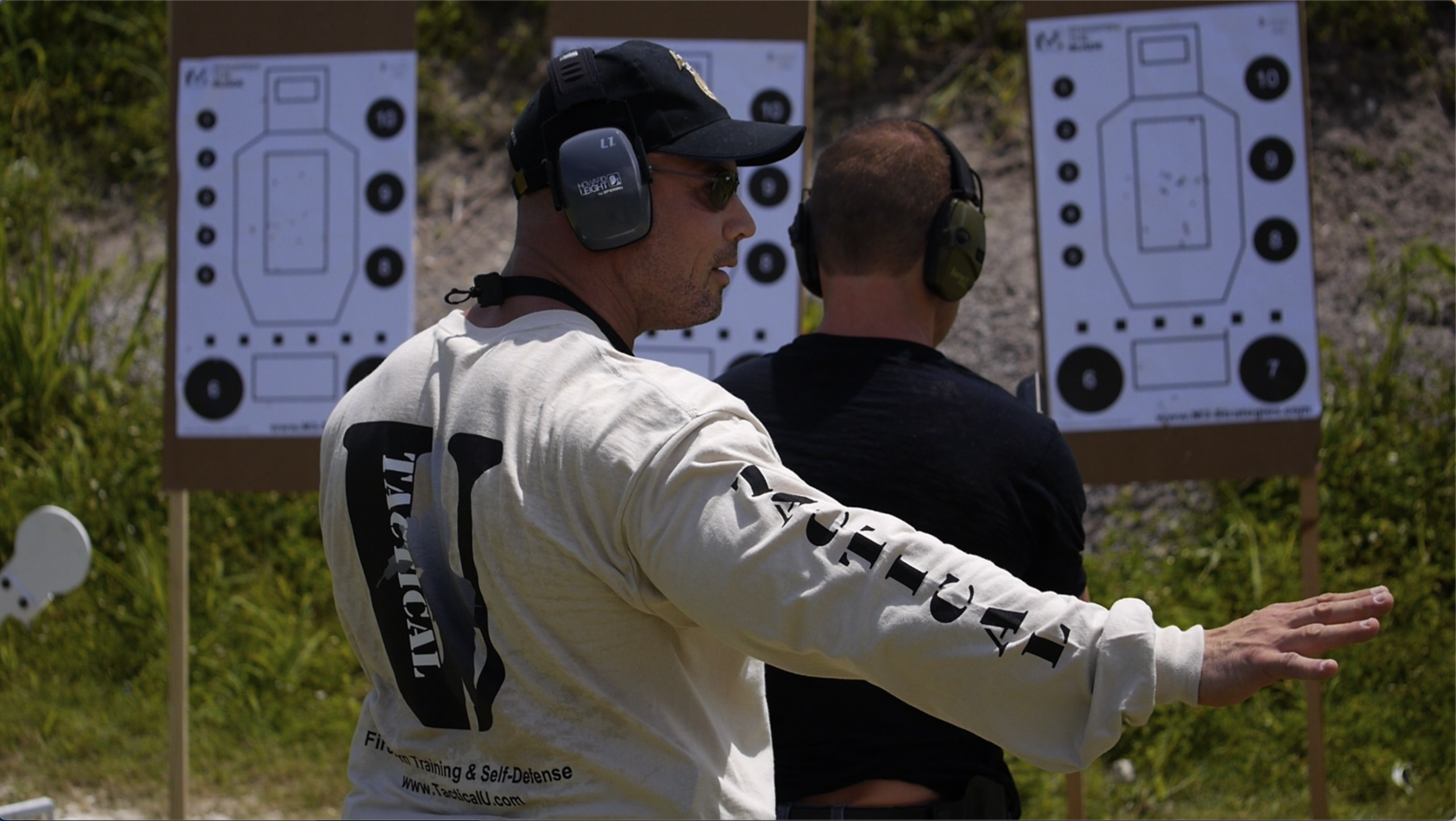
Whenever you pick up a firearm to inspect it, assume it is loaded. One of the first actions you should take is to unload it safely.
This includes:
- Checking the chamber
- Removing ammunition sources
- Confirming the firearm is clear
This process should happen every single time, even if someone else tells you the firearm is unloaded. Personal verification is a key part of responsible ownership.
Before Transportation or Travel
Transporting a firearm safely requires it to be unloaded in most situations. Whether you are driving to a range or storing the firearm in a vehicle, unloading ensures safety during movement.
In Miami, responsible transport practices often include:
- Keeping the firearm unloaded
- Storing it in a secure case
- Separating ammunition when possible
These steps help prevent accidental discharge and align with safe handling practices.
How to Load a Gun Safely (Step-by-Step)
Knowing how to load a firearm safely is essential for responsible ownership. While different firearms have unique mechanics, the general principles remain consistent.
How to Load a Pistol
When learning how to load a pistol, it’s important to follow a clear and controlled process:
- Point the firearm in a safe direction
- Insert a loaded magazine into the grip
- Rack the slide to chamber a round
- Keep your finger off the trigger until ready to fire
Each step should be performed carefully and deliberately. Rushing increases the risk of mistakes.
How to Load a Handgun
Many people ask how to load a handgun, which follows a similar process to loading a pistol. The key difference often depends on the firearm type, such as a semi-automatic or a revolver.
For semi-automatic handguns:
- Insert the magazine
- Rack the slide
- Confirm the firearm is ready
For revolvers:
- Open the cylinder
- Insert ammunition into each chamber
- Close the cylinder securely
Understanding these differences helps ensure safe handling across firearm types.
First Step for Loading and Unloading a Gun
One of the most important safety principles is knowing the first step for loading and unloading a gun. In both cases, the answer is the same: control the direction of the firearm.
Before doing anything else:
- Point the firearm in a safe direction
- Keep your finger off the trigger
These two actions reduce the risk of accidental discharge and should always come first.
Why Consistency in Safety Matters
Consistency is the key to safe firearm handling. Knowing when you should unload your firearm is not enough,you must apply that knowledge every time you handle it.
Developing consistent habits ensures that safety becomes automatic. Over time, these actions require less conscious thought, reducing the chance of mistakes.
Whether you are at the range, at home, or transporting your firearm, following the same safety steps builds reliability and confidence.
Common Mistakes to Avoid
Even experienced firearm owners can make mistakes if they become complacent. Some of the most common errors include:
- Assuming a firearm is unloaded without checking
- Skipping safety steps during routine handling
- Pointing the firearm in an unsafe direction
Always unload a firearm before performing any task involving handling or inspection. This simple rule prevents many avoidable accidents.
Safe Habits for Long-Term Responsibility
Responsible firearm ownership requires ongoing attention to safety. This includes:
- Regularly reviewing safety procedures
- Practicing proper loading and unloading techniques
- Maintaining awareness in all environments
By reinforcing these habits, firearm owners can reduce risks and handle firearms confidently.
Train for Safe and Consistent Handling
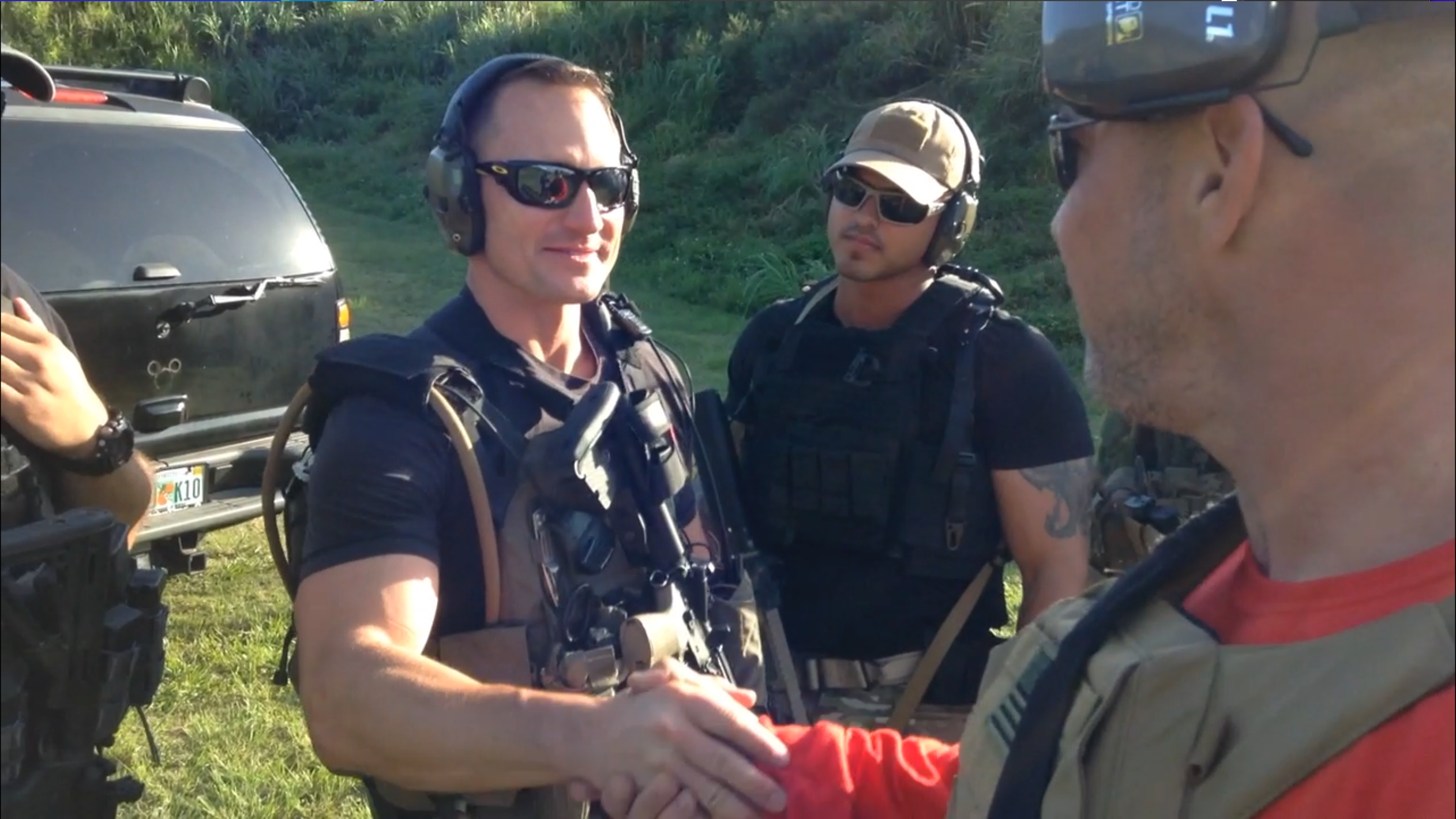
If you want to improve your understanding of safe firearm handling, structured training can help reinforce these habits. Programs like those offered by Tactical U provide hands-on instruction focused on safe loading, unloading, and real-world application.
Contact us at Tactical U today to learn more about our firearm-handling and safety training programs in Miami and take the next step toward responsible firearm ownership.
Frequently Asked Questions
What is the first step for loading a gun safely?
The first step for loading a gun is always ensuring the firearm is pointed in a safe direction with your finger off the trigger. This reduces the risk of accidental discharge before any ammunition is introduced.
Can you practice loading and unloading without ammunition?
Yes, practicing with an unloaded firearm,often called dry handling,can help reinforce safe habits. However, it is important to double-check that the firearm is completely unloaded before beginning any practice session.
Learn More About Firearm Safety
If you want to continue building safe firearm handling habits, explore more guides and training insights on the Tactical U blog.
Train This Skill With Tactical U
Turn the idea from this article into coached reps with Tactical U.