
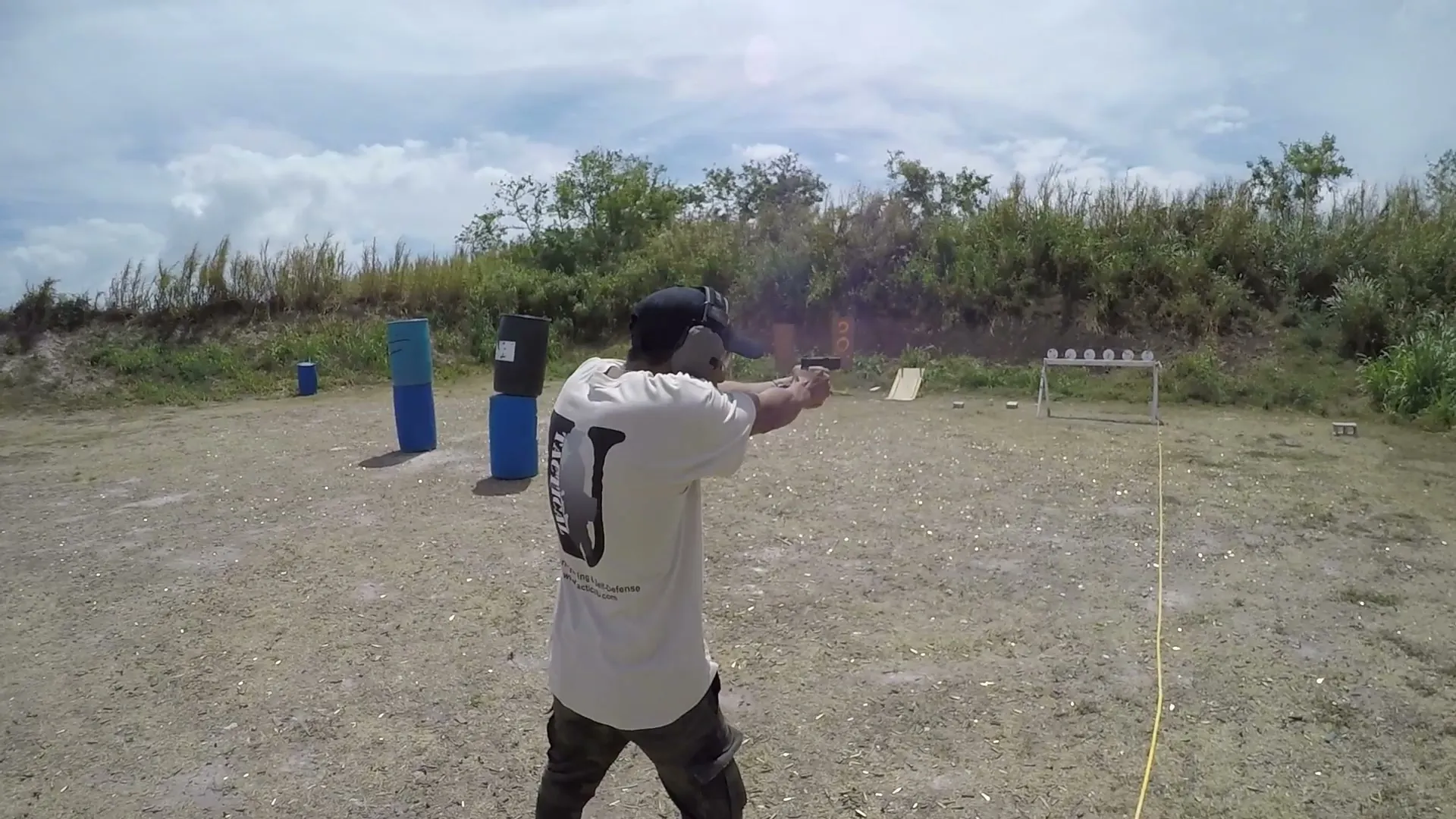
Short answer: not for the classes most people take. When an NRA-certified or state-certified instructor teaches your course, Florida law says that instructor has to keep records showing they watched you handle and fire a firearm, with live ammunition, in their physical presence. I am Stephen L. Cohen, a 32-year law enforcement veteran and NRA Law Enforcement Certified Firearms Instructor, and this is how I explain it to my students.
Quick answer
An online class can prepare you. It cannot give you the live-fire certificate.
For the standard instructor-led routes, Florida Statute 790.06 requires the instructor to certify that they observed you safely handle and discharge a firearm, with live fire, in their physical presence. A video cannot do that. Use online training to get ready, then do the range part in front of an instructor.
Law checked October 8, 2026
I read Florida Statute 790.06(2)(h) and the FDACS page on acceptable firearms training documentation on this date. Rules change, so check the current FDACS pages before you apply. This article is educational and is not legal advice.
What Florida Law Says
Florida Statute 790.06 lists the ways to show you are competent with a firearm when you apply for the Concealed Weapon or Firearm License, the CWL. For the instructor-led courses, the statute puts a rule on the instructor. They “must maintain records certifying that he or she observed the student safely handle and discharge the firearm in his or her physical presence,” and the discharge “included live fire.”
The Florida Department of Agriculture and Consumer Services (FDACS) issues the license. Your training certificate has to be clear and legible and show your name, your instructor’s name, your instructor’s qualifications, and your instructor’s license or certification number. FDACS accepts courses taught by NRA-certified instructors and by instructors certified by the state, so ask to see the credentials before you pay.
Where Online Training Fits
A good online class teaches the legal material, safe storage and the basic rules of gun handling at your own pace. That is useful, and it is why we offer an online beginner firearm safety class. It gets you ready. It does not replace the range.
Why I Want You in Front of Me With a Real Firearm
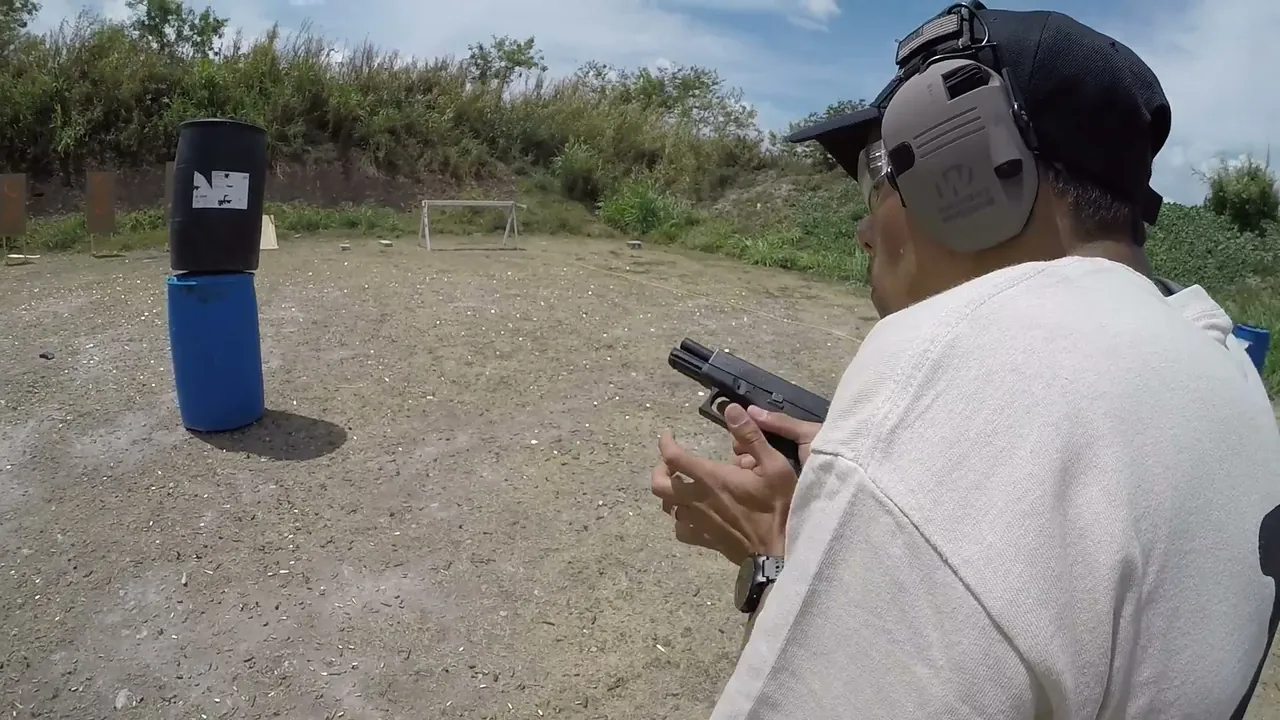
I do not let people show up with online training alone. Everybody knows someone, military or police, who showed them how to shoot. Most of that training is 180 degrees from reality. Most people have horrible fundamentals, and just because you can shoot a gun does not mean you can fight with a gun. Shooting, competition and gunfighting are all different. Some of the skills carry over if your fundamentals are sound. But once you start adding other tactics and techniques, even good fundamentals can go out the window. Everybody thinks they are John Wick. Most people are closer to John Wish. The reality is that most people would not be able to defend themselves. Period.
Ask yourself: what is your reactionary gap? Did you see it coming? What was your energy level? What was the gap between you and the other person, and what is your reactionary time?
Back a pit bull into the corner of a room, even a domesticated one that does not know you, and it will bite you. We have been taught to be reasonable, prudent, upstanding citizens. Back most of us into a corner and the primal instincts, fight, freeze or flight, are mostly gone. The first thing you will say to yourself is, “Whoa, what is happening?” You have to process it, and then you have to react. You will not rise to the occasion. You will revert to your training, to whatever you have been neurologically programmed to do.
Under stress, your two-million-year-old monkey brain takes over and your physiology changes. Your pupils dilate, you get tunnel vision, and you do not respond the way you would if you had time to think it through. If you did not get hurt, you will usually second-guess yourself afterward. There are a lot of moving parts here. People think, “I have my gun, I can protect myself.” No, it does not work like that.
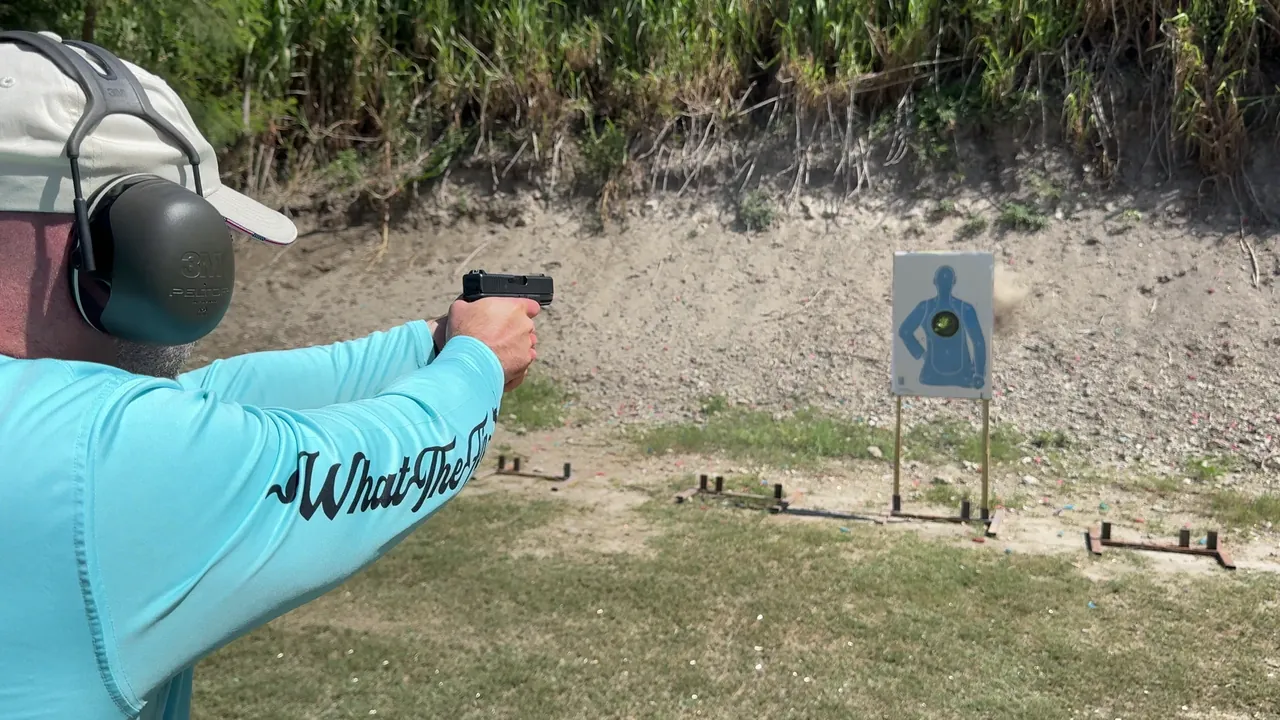
A gun is a last resort. If you had to pull it, you lost, and things are really bad. Then comes the second fight: the police, the investigation, everything after. I wrote about that in The Second Fight.
When we were kids and the fire alarm went off at school, we all had some sense of how to organize, get out of the building safely and wait for the principal or the fire department. It was not perfect and it was not enough, but it was training. Most people have no game plan like that. They carry and they do not think forward. If something happened, what would I do? Plan A, plan B, plan C. Then you do not put yourself in those situations. If I see someone who makes me uncomfortable, I move to the other side of the road and get as much distance as I can, so I have reactionary gap. Distance gives you time.
People do not understand how gunfights happen. They do not understand how violent encounters happen, or the repercussions of what they do and what they do not do, the pros and cons of both and everything in between.
Everybody has their lethal option on them, but not everybody wears the same garments or the same belt, and they assume they can function the same way every single time. They have never pushed those tolerances and never tested themselves. They go to a range, maybe put a timer on it, and get a little training. Most have never had anyone shooting back at them, and never had anyone on top of them while they were on their back getting choked out.
It is more than handling the gun. It is understanding your surroundings and not putting yourself in precarious situations. Understanding the concepts is not where the rubber meets the road. You have to test yourself, test your equipment, and practice, practice, practice. Even that is not a solution to every scenario. Expect the unexpected, hope for the best, and prepare for the worst, knowing you may or may not function well under pressure.
None of that shows up on a video. It shows up when someone is next to you on the line with a real firearm and the clock running.
In my force-on-force classes, even good shooters who know a scenario is coming make the most boneheaded decisions. I ask why they did that, and they say, “I don’t know.” Then I ask what they would do differently, and they tell me exactly what they should have done. Right, you are always second-guessing yourself after the fact. That is why you prepare for these scenarios in advance.
I have seen people muzzle themselves. I have seen people hesitate. One student drew his gun and it left his hand and landed downrange. I have seen people who thought they were ready to fight end up with an unloaded gun, because they had no real process for loading and making ready. An unloaded gun is just a chunk of metal and plastic.
What to Check Before You Pay for Any CCW Class
- The instructor’s credentials. NRA-certified or state-certified, with a certification number you can see on the certificate.
- Live fire in person. The instructor has to watch you handle and fire a firearm. If a class says you can finish without going to a range, walk away.
- The certificate. It has to show your name, the instructor’s name, qualifications and certification number.
- How you apply. FDACS takes the application online, in person at a regional or tax collector office, or by mail. Keep a copy of your certificate.
Which Class Fits Where You Are
Once you know the certificate has to come from live fire, the next question is which class fits you. Tactical U separates three needs:
- The Fort Lauderdale concealed carry class, with the live-fire qualification and the certificate you take to FDACS.
- Private handgun training for one-on-one fundamentals, safety and live-fire correction.
- Concealed Handgun Tactics & Safety for carry decisions, concealment and what comes after the class.
Looking for a class near you? Tactical U serves Miami-Dade, Broward and Palm Beach counties. See the Fort Lauderdale concealed carry class, the North Miami CCW class or the Palm Beach County concealed carry class.
New to firearms? Start with the online beginner safety class, then come to the range. For the step-by-step flow of the class itself, read what to expect in a Florida concealed carry class.
Contact Tactical U
Tell us what you are trying to train for.
Send Stephen a question or book a short call, and he will help you choose the right training.
Source and legal note
Primary sources used for this article
- Florida Statutes, section 790.06, license to carry concealed weapon or firearm
- FDACS, Acceptable Firearms Training Documentation
- FDACS, Applying for a Concealed Weapon License
Educational information only. It is not legal advice. Confirm the current rules with FDACS before you apply.
Concealed Carry Class Online in Florida FAQ
Can you take a Florida concealed carry class entirely online?
Not for the common instructor-led routes. When a course is taught under an NRA course, a public course with a certified instructor, or a state or NRA-certified instructor, Florida Statute 790.06 requires that instructor to keep records showing they observed the student safely handle and discharge a firearm, with live fire, in their physical presence.
What does Florida law say about live fire in a concealed carry class?
Florida Statute 790.06(2)(h) says an instructor who conducts or attests to those courses must maintain records certifying that he or she observed the student safely handle and discharge the firearm in his or her physical presence, and that the discharge included live fire.
What must my training certificate show?
FDACS says the copy of your training certificate must be clear and legible and show your name, your instructor’s name, your instructor’s qualifications or credentials, and your instructor’s license or certification number.
Does an online class still help me prepare?
Yes. A good online class covers the legal material, safe storage and the basic rules of gun handling at your own pace. It prepares you for the range. It does not replace live fire with an instructor.
Where can I take a Florida concealed carry class with live fire near Miami, Fort Lauderdale or Palm Beach?
Tactical U serves Miami-Dade, Broward and Palm Beach counties, with live-fire training at its Fort Lauderdale indoor range and its Homestead outdoor range. Ask for the Fort Lauderdale, North Miami or Palm Beach County concealed carry class, and check that the instructor is NRA-certified or state-certified before you pay.
How do I apply for the Florida concealed carry permit once I have my certificate?
Florida calls it a concealed weapon license, and most people say permit. FDACS accepts the concealed weapon license application online, in person at an FDACS regional office or authorized tax collector office, or by mail. Keep a copy of your certificate for your records.