
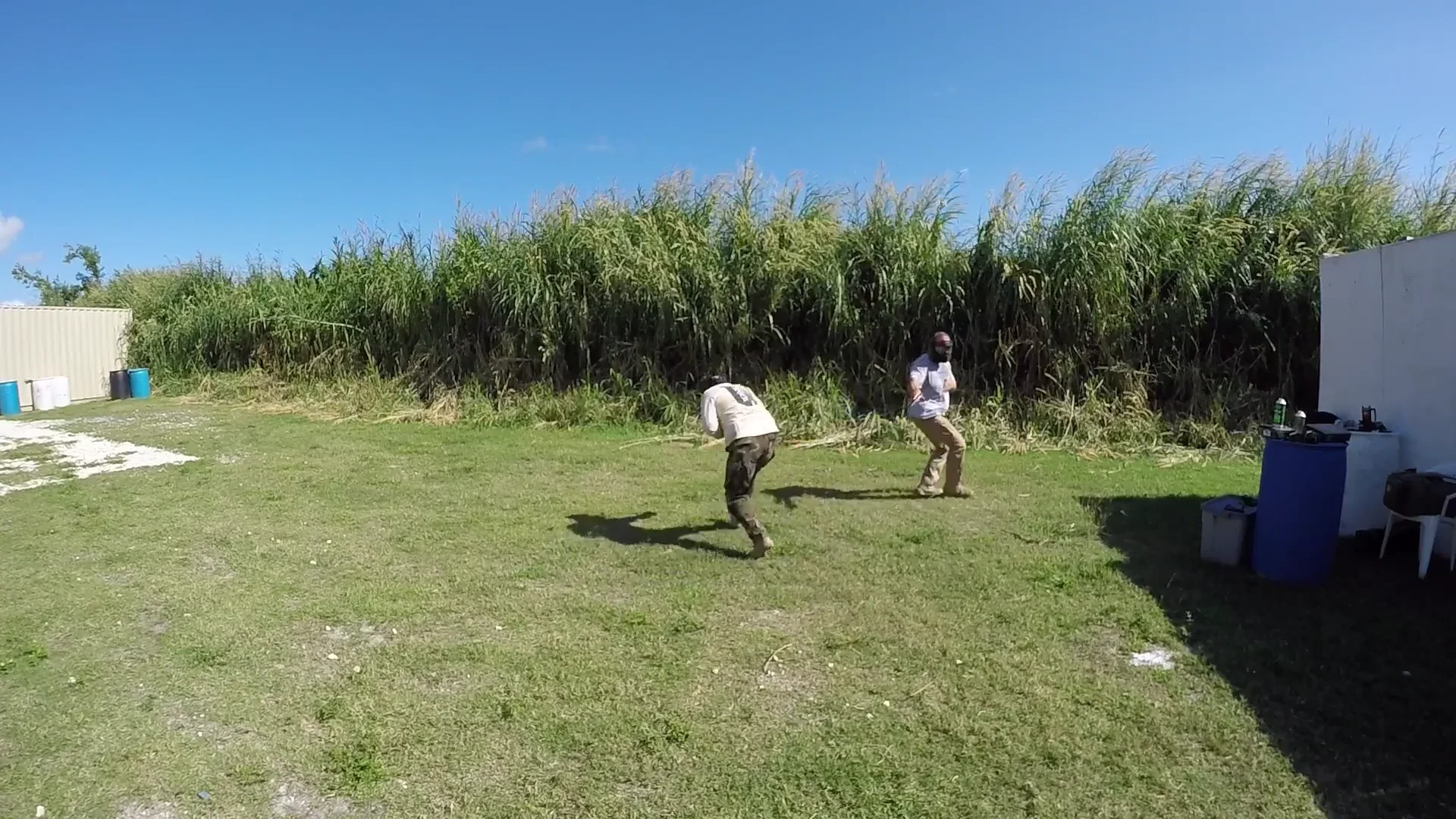
Decision-making under ambiguity means choosing a response when you don’t have a complete picture. In self-defense training, that starts before force: what did you notice, what did you assume, and could you safely disengage? A supervised review gives you time to examine those choices.
This article explains judgment as a training subject. Whether force is lawful in a real encounter depends on the facts and applicable law. Training can help you examine your choices; take questions about your own legal circumstances to an attorney.
What Most Civilians Get Wrong About Self-Defense
An encounter may begin before you understand what is happening. You might not know another person’s intent, whether an object is a weapon, or what happened before you arrived. In training, examine the information you used to reach a conclusion and the information you were missing.
A decision exercise asks you to explain more than where a shot went. The instructor can review whether you recognized uncertainty, considered another explanation, or saw a way to avoid making the situation worse. Those questions belong in the discussion before adding more complexity.
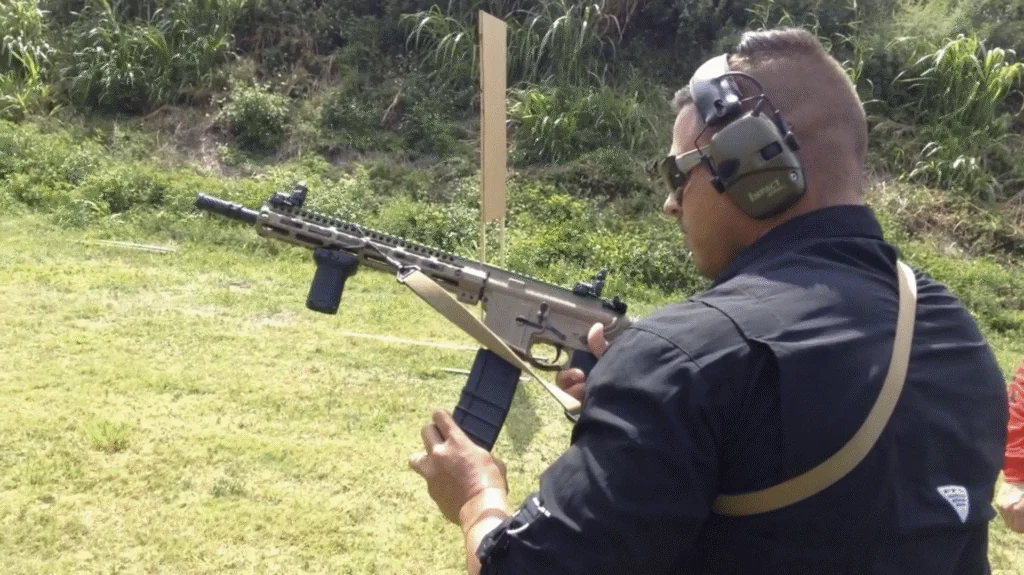
What Decision-Making Under Ambiguity Means
Ambiguity means the information allows more than one explanation. A person approaching quickly might be angry, frightened, or looking for help. During a debrief, identify the details you actually observed. A loud argument alone does not establish the legal conditions for force.
After a supervised scenario, describe what you saw before explaining why you acted. Then discuss the assumptions you made and the options you considered. The instructor can help you compare your account with the exercise and identify what you missed.
The Most Dangerous Myth: “I’ll Know When It’s Time”
Feeling certain does not rule out a mistaken assumption. A useful debrief asks which missing detail might have changed your decision, and whether you recognized an opportunity to slow the situation down or leave. The exercise gives you a chance to notice that gap.
Perfect information may be unavailable in an emergency. Training should help you recognize that limit and examine your choices within it. There is no single response that fits every uncertain encounter.
The Tactical U Standard: Pre-Force Judgment
Explain your observations separately from your assumptions when reviewing a response. That lets the instructor examine the problem you thought you faced and the options available in the exercise. It also makes it easier to see whether you started with a preferred technique and fitted the problem around it.
Tactical U’s interactive gunfighting training is a separate course path. It has prerequisites and uses non-lethal training weapons. Scenario work is not part of every class. Do not assume a beginner class, concealed-carry qualification, or advanced live-fire course includes it. Confirm the selected course’s format and starting requirements.
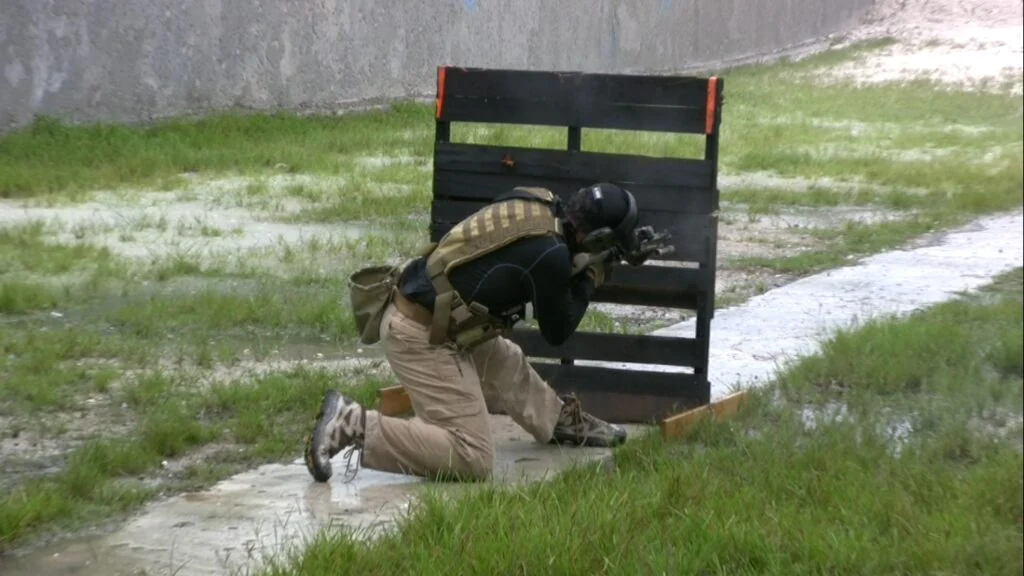
How Pre-Force Conduct May Be Examined Later
A legal review may consider what happened before a use of force. Other surrounding circumstances may matter too. The significance of any particular action depends on the evidence and applicable law. No single movement or phrase guarantees a finding of justified force. Neither does a training credential.
Florida’s section 776.012 distinguishes nondeadly and deadly force and sets different conditions for them. The conditions include reasonable belief and necessity. For deadly force, they also include specified imminent harms. Its no-retreat provisions have conditions. Read the statute and ask an attorney about your situation. A training maxim is not a legal rule.
Decision Points Before a Trigger Is Pressed
Distance
Distance affects what you can observe and which options remain available. In training, discuss whether you could separate or leave. What made each option safe or unsafe? Do not treat a measured distance as automatic permission to use force or as a guarantee against danger.
Movement and Angles
A scenario can help you notice routes, obstacles, and other people. Whether moving is helpful depends on the setting. Examine that practical decision with the instructor. Movement is not “legal insulation” or proof that a later action was justified.
Verbal Communication
Clear communication can be part of a training exercise. Ask what you were trying to convey and whether your words helped or escalated the situation. A rehearsed phrase does not make an account reliable. Nor does it establish a legal defense by itself.
Environmental Context
Other people, exits, lighting, and obstructions can affect a decision. So can your ability to identify what is happening. An instructor can ask what you missed and why. A limitation you notice in an exercise gives you something specific to work on. Do not assume the next encounter will be clearer.
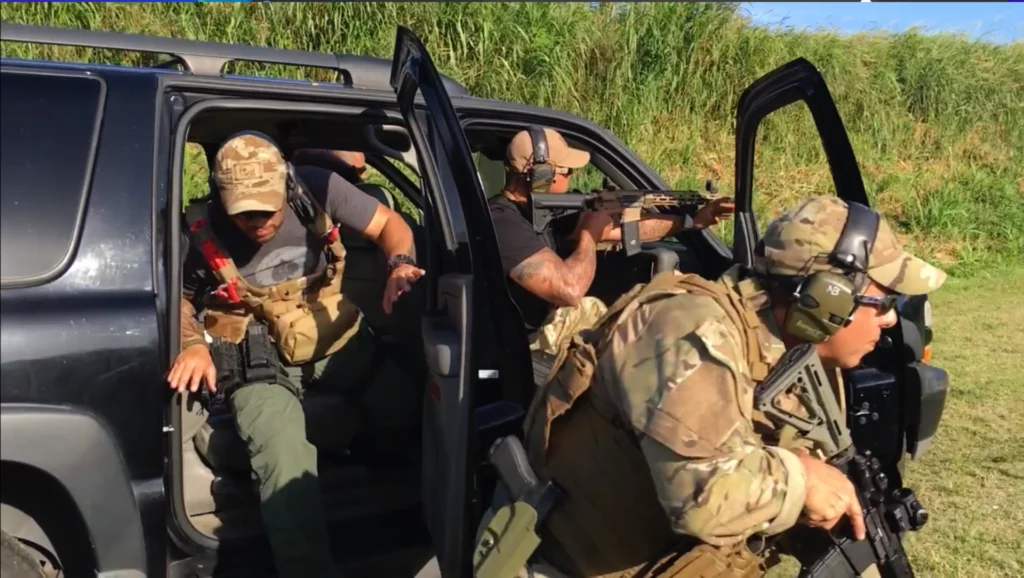
The Reasonable-Person Question
Personal fear and the legal justification for force are related. They are not interchangeable. The law does not simply ask whether you felt afraid. Discuss your emotional response and the facts you perceived. Distinguish both from the legal standard that may apply.
Stephen L. Cohen expressed the training priority in the original published version of this article:
“You are not judged by fear. You are judged by decisions.”
Stephen L. Cohen, Tactical U
Read that as a prompt to examine your decisions, not the complete legal test. Section 776.012 expressly refers to reasonable belief. Keep the perceived facts and the applicable legal conditions in the discussion.
Rules involving a dwelling, residence, or occupied vehicle have further conditions and exceptions under Florida section 776.013. Do not extend a short explanation of home protection to every confrontation or location.
Training Failure: Shooting Without Thinking
Live-fire practice can improve an important physical skill while leaving other questions unanswered. A target does not explain intent or ask whether you should be involved. That is why marksmanship practice and decision exercises serve different purposes.
Keep the course level appropriate. If safe handling still requires your full attention, first work on that foundation. The Gunfighting course progression explains the existing training rungs; the instructor can help determine where you fit.
Why This Is Advanced Training, Not Legal Theory
Knowing a rule in a classroom does not show how you will interpret an uncertain event. A supervised scenario can make that difference visible. Review the observations, choices, and consequences of the exercise. It does not predict a real incident or a court’s decision.
Legal questions still belong with an attorney. An instructor’s role is to teach within the course’s scope and explain what the exercise revealed. The two forms of advice should complement one another without being confused.
Reality Check: Examine the Options You Recognized
After an exercise, discuss the options you considered and the ones you missed. Were you able to leave? Did you understand what another person was doing? Did you assume that having a firearm meant you had to intervene? These are useful debrief questions, not a claim that every real incident can be avoided.
A course can teach you to consider safer separation when it is available. That training goal does not create a universal legal duty to retreat. Keep that distinction explicit. Practical risk reduction and the legal conditions for force are different kinds of guidance.
Conclusion: Judgment Is a Skill Worth Practicing
Useful decision training helps you explain your choices. What did you notice? What did you assume? Why did you choose that action? It should leave you with specific questions to work on. Looking composed or completing a course is not the same as having those questions resolved.
If this is the skill you want to develop, describe your previous training before booking. Ask how decisions are reviewed, what prerequisites apply, and whether the course includes the type of supervised scenario work you are seeking.
About the Author
Stephen L. Cohen founded Tactical U. He has more than 32 years of operational law-enforcement firearms experience. His background includes SWAT work and NRA Law Enforcement firearms instruction. Read his professional background. This article provides general training information and is not individual legal advice.
Frequently Asked Questions
What does tactical ambiguity mean in civilian self-defense?
It means the available information does not give you a complete or certain explanation of an encounter. Training can examine how you recognized that uncertainty. It can review your assumptions and the options you considered.
Is pre-force judgment the same as marksmanship?
No. Marksmanship concerns a physical shooting task. Pre-force judgment concerns interpreting a situation and choosing whether and how to respond. A course may develop one without including supervised exercises in the other.
Does scenario training guarantee that a defensive action will be lawful?
No. A course or exercise cannot decide a real incident’s facts or guarantee a legal outcome. Florida law has specific conditions for force. Ask a qualified attorney about individual legal circumstances.
Does discussing disengagement mean Florida always requires retreat?
No. Under Florida section 776.012, the deadly-force no-retreat provision requires force that meets the subsection’s conditions, no criminal activity by the person using or threatening it, and a place where that person has a right to be. Training may still examine safer separation when it is available. Ask an attorney how the law applies to your circumstances.
Can a new shooter book interactive scenario training?
Do not assume it is an introductory class. Review the current course prerequisites and tell Tactical U about your handling experience and completed training. A foundational or private session may be the appropriate starting point.
How do I choose and book a course that includes decision exercises?
Read the interactive gunfighting course information. Confirm its prerequisites, format, equipment, venue, price, and availability with Tactical U. Explain your goal: decision practice, live-fire skills, or foundational handling. That helps the instructor recommend a suitable course.
Train This Skill With Tactical U
Tell Stephen what training you have completed and what situations concern you. Explain your goal: foundational handling, defensive pistol progression, or supervised decision exercises. Check the current course requirements, equipment list, venue, and price before booking.